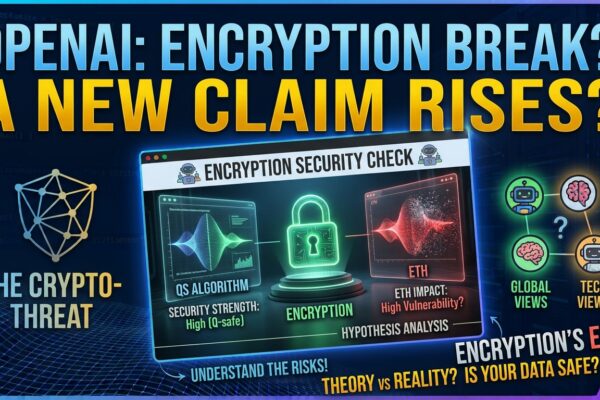
OpenAI Exponential Time Hypothesis Claim: Is Encryption at Risk?
The OpenAI Exponential Time Hypothesis claim could reshape algorithms—but not crack encryption today. Learn what the proof says and why scrutiny matters.










The OpenAI Exponential Time Hypothesis claim could reshape algorithms—but not crack encryption today. Learn what the proof says and why scrutiny matters.
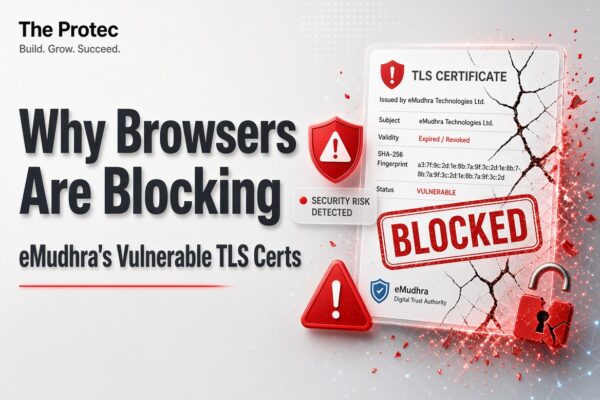
A reported eMudhra key-generation flaw made certain intermediate CA private keys potentially recoverable. Here is why browsers blocked the affected Vulnerable TLS Certificates and what administrators should check beyond the browser.
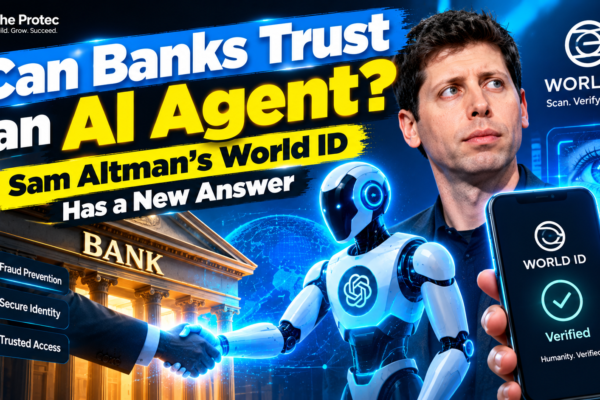
Can banks trust an AI agent? World is proposing a new identity layer for banking, video calls, and AI agents that could help distinguish verified people from authorized software and deceptive impersonators. But identity verification alone cannot guarantee that an AI agent is safe, reliable, or authorized to perform financial transactions.
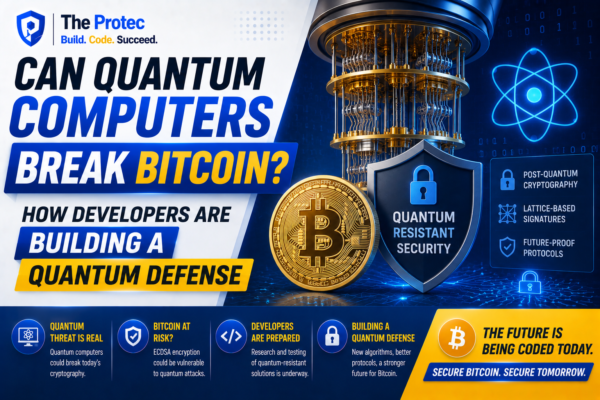
Quantum computers could eventually threaten Bitcoin signatures. Here is how researchers are preparing post-quantum defenses while preserving the network’s security and stability.

Quantum computers are advancing fast, and businesses are already preparing. Learn how post-quantum security and quantum encryption are reshaping future cybersecurity strategies.

Quantum computing is moving from theory to practical experiments, but not every headline reflects real progress. Here’s what’s working, what’s exaggerated, and what still needs to be solved.

Discover how secure multi-party computation (MPC) is revolutionizing data privacy in cloud environments by enabling collaborative processing without compromising sensitive information.