








USB4 v2 Explained: Is It Worth Upgrading Your Setup?
USB4 v2 promises a major jump in speed, but the real question is whether your laptop, SSD, or dock can actually benefit. Here’s what to know.
From AI agents and advanced chips to zero-trust security and new computing models, these are the technology trends that will shape how businesses build, defend, and scale.
Digital twins are transforming how companies simulate, predict, and optimize operations. Explore how virtual models are reshaping manufacturing, energy, healthcare, and more.
AI-powered search engines are reshaping how people find information online. Compare them with Google, explore key differences, and see what future search technology means for users and businesses.
Wi-Fi 8 is shaping up to be more than a speed upgrade. Learn how future WiFi technology could improve reliability, latency, density, and wireless networking for homes and businesses.
ARM processors are no longer a niche alternative. Apple, Qualcomm, and Microsoft are pushing ARM laptops into the mainstream, challenging Intel and AMD with better efficiency, longer battery life, and AI-ready designs.
AI agents are changing how software connects, calls, and collaborates. Explore whether they are truly replacing REST APIs or reshaping backend architecture into something more adaptive.
Discover the remote work technology trends transforming US companies, from AI assistants and collaboration platforms to cybersecurity and virtual offices.
A high-stakes AI chips comparison of NVIDIA, AMD, and Intel as they battle for AI hardware dominance, data center scale, and the AI semiconductor market.
From AI processors to breakthrough batteries and next-gen displays, these laptop innovations are set to transform productivity, mobility, and collaboration.
Discover the best AI tools for small businesses in the USA to automate marketing, sales, and customer support while cutting costs and boosting productivity.
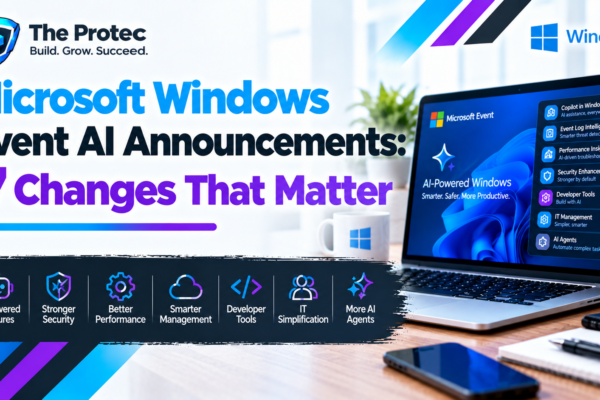
AI operating systems are reshaping how computers work, moving from app-based clicks to goal-based computing. Here’s what that future looks like.
Nvidia still leads the AI chip market, but AMD, Intel, and a new wave of challengers are reshaping the semiconductor industry with faster, denser, and more efficient AI hardware.