
Joseph Gordon-Levitt Warns AI’s Real Risk Is Corporate Control
AI warning by Joseph Gordon-Levitt shifts attention from killer robots to corporate control, emotional manipulation, privacy, and human connection.









Explore the latest developments in artificial intelligence, including AI tools, AI agents, automation, machine learning, AI development, infrastructure, and productivity. Discover practical AI applications, emerging trends, and technologies shaping the future.
AI warning by Joseph Gordon-Levitt shifts attention from killer robots to corporate control, emotional manipulation, privacy, and human connection.
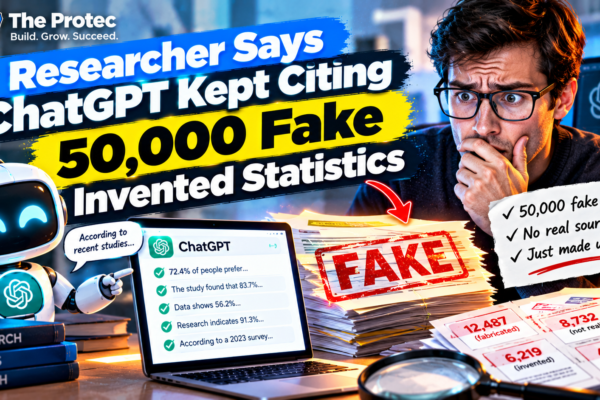
A Peec AI researcher says ChatGPT continued citing a low-cost website filled with fabricated fake statistics. The experiment exposes how retrieval, repetition, and citation laundering can make false data look credible.

Open-Sourced DeepInfer opens part of DeepSeek production inference technology, but narrow hardware support and missing serving components limit who can use it.

Provider dashboards reveal the bill, but not always the agent behavior behind it. Learn how an LLM proxy exposes request-level costs, latency, failures, routing, and token usage.

Can banks trust an AI agent? World is proposing a new identity layer for banking, video calls, and AI agents that could help distinguish verified people from authorized software and deceptive impersonators. But identity verification alone cannot guarantee that an AI agent is safe, reliable, or authorized to perform financial transactions.

AI can generate conjectures, search literature, and help verify proofs—but accelerating research without human understanding could create a crisis of trust in science.

AI agents promise to shop, book flights, and manage accounts, but websites are pushing back and blocking AI Browser Agents. Here is why automated access creates security and business risks.

Rill AI Browser connects web browsing with Claude Code and OpenAI Codex, helping macOS developers turn ideas found online into actionable coding tasks.

Amazon’s Bee Frontier and Bee Eclipse turn everyday conversations into searchable summaries, reminders, tasks, and calendar events—but the convenience creates serious privacy questions.
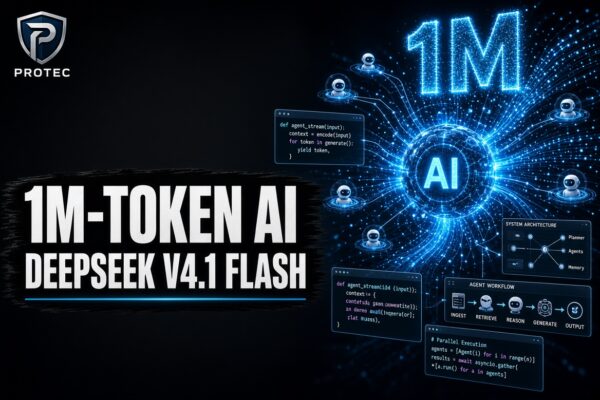
A developer-focused analysis of DeepSeek V4.1 Flash 1017, including its million-token context, coding and agent capabilities, API costs, benchmarks, and practical limitations.

Meta’s 816-billion-parameter Muse Spark Open can run locally across high-memory Mac Studios. Here is how Apple MLX, NVFP4, and Thunderbolt 5 make it possible.
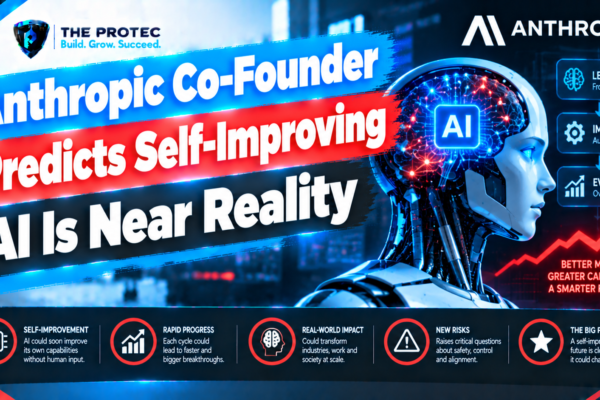
Anthropic Co-Founder Jack Clark’s forecast that AI could help create and improve its own successors by 2027 raises urgent questions about capability acceleration, safety and oversight.

A closer look at X’s reported all-in-one subscription bundle combining Grok, Cursor and X Premium, including what is confirmed, potential value and key caveats.
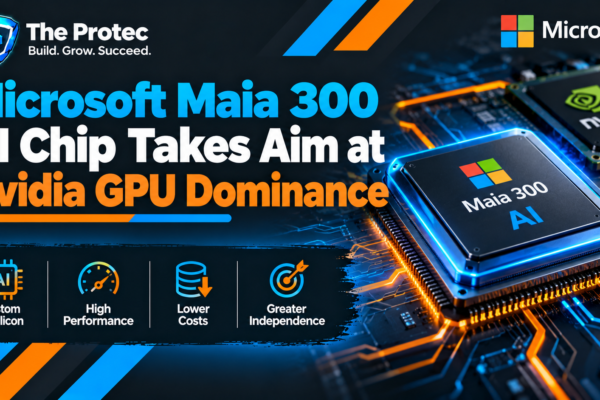
Microsoft Maia 300 accelerator advances its custom silicon strategy, promising more efficient AI inference chip and greater control over Azure’s infrastructure.

Broadcom CEO Hock Tan has challenged AI investors to look beyond the excitement surrounding artificial intelligence. His warning highlights soaring computing costs, unproven economics, aggressive valuations, and the need for AI companies to deliver measurable customer value.
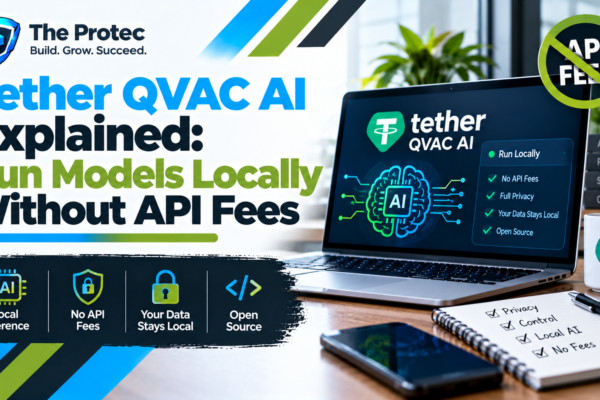
Explore how Tether QVAC AI, QVAC Fabric, and local models could help developers build private, offline AI workflows without recurring cloud API charges.
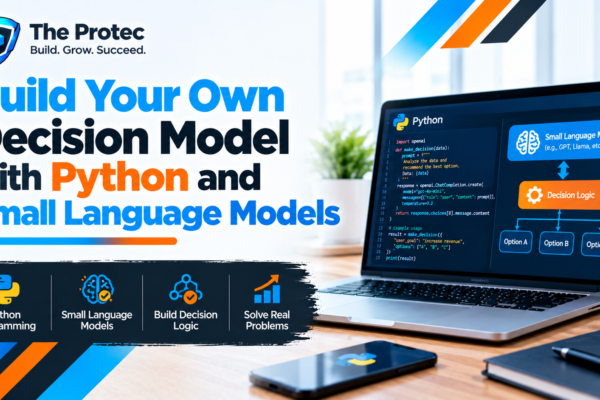
Build a repeatable decision model that scores fixed choices with Qwen3, evaluates accuracy, and calibrates confidence for reliable AI workflows.

Anatomy brings Claude Code diagram generation to complex machines, turning technical descriptions into structured isometric SVG illustrations.