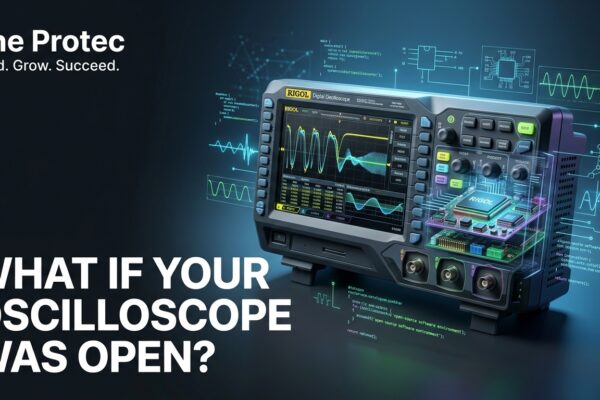
Why an open source operating system for Rigol oscilloscopes matters
Explore how an open source operating system for Rigol oscilloscopes could unlock customization, plus the compatibility, calibration and recovery risks.









Explore software development, programming, application architecture, backend and frontend development, databases, mobile development, quality assurance, and modern development practices. Find practical insights and tools for developers.
Explore how an open source operating system for Rigol oscilloscopes could unlock customization, plus the compatibility, calibration and recovery risks.
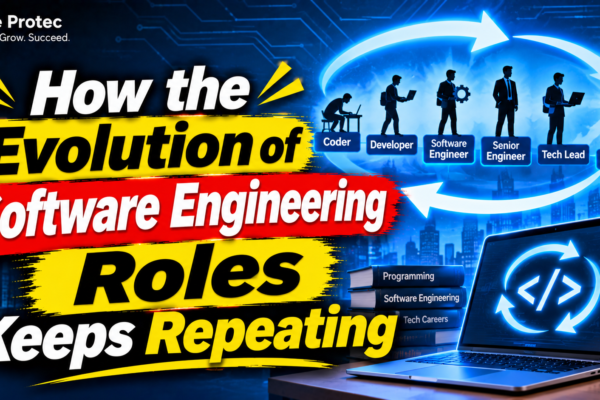
Trace the evolution of software engineering roles from wartime coders to AI engineers—and learn why new titles often recycle familiar technical work again.
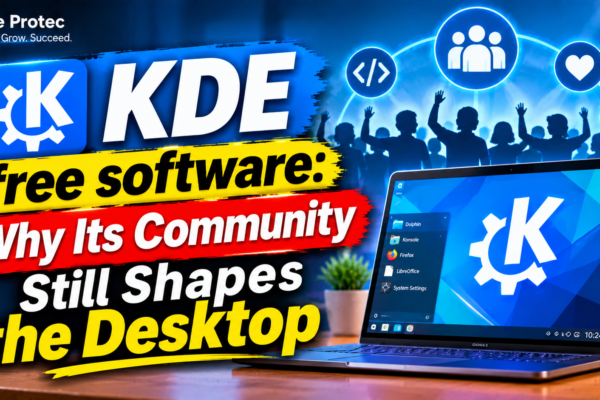
A new documentary opens a window onto KDE free software, from Plasma and apps to the community freedoms still shaping the Linux desktop today for users.
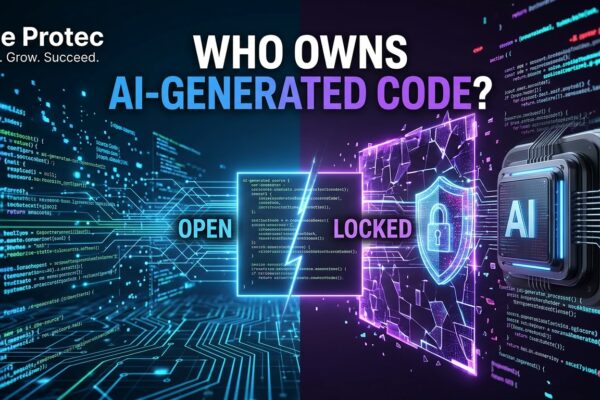
Explore the AI-generated code licensing debate, from open-source obligations and copyright ownership to Doe v. GitHub and practical risks for businesses.
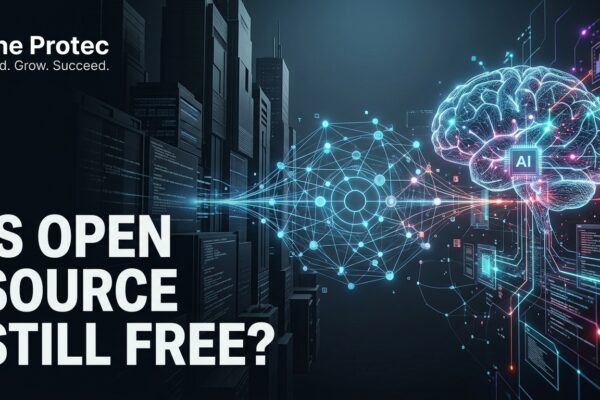
Explore open source software neutrality through licenses, GitHub sanctions, Codeberg’s AI rules, moderation, maintainer rights and shared community power.

Rust 1.100 stabilizes the never type, unlocks custom allocators, adds DropGuard, and gives Cargo a practical dependency cooldown for safer production builds.
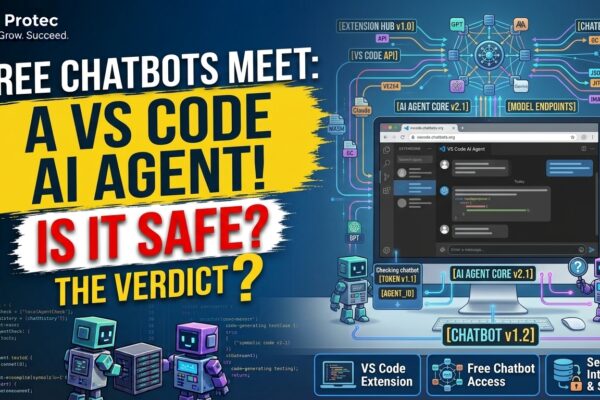
Learn how the Code Web Chat VS Code AI agent extension sends project context to free chatbots, applies suggested edits, and exposes real privacy risks.
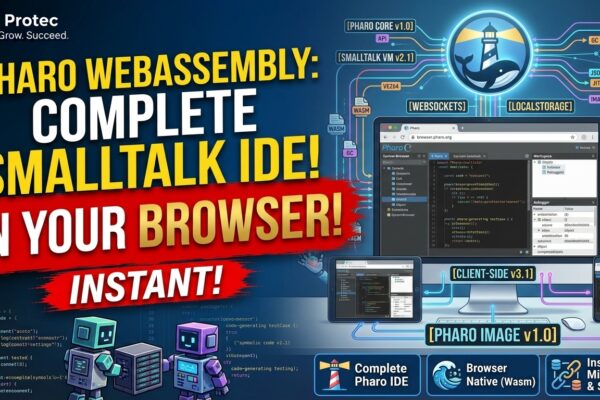
Explore Pharo WebAssembly, the experiment that runs a live Smalltalk environment in your browser, with Git tooling, package loading, caveats, and demo.
See how the AWS Emulator uses thousands of AI agents to recreate 200-plus cloud services locally, where it helps developers, and where it falls short.
Explore the .NET 11 new features that matter in production, from Runtime Async and C# 15 unions to Native AOT, ASP.NET Core, AI tooling, and migration.
Discover how the Gleam programming language brings static types, BEAM concurrency, OTP resilience, and a JavaScript target to modern backend development.
Discover how Docker microVM architecture grew from Docker for Mac, HyperKit, and LinuxKit—and why that history now matters for secure AI agent sandboxes.

See how Glasshand AI agents operate dedicated iPhones and Macs, where real-device testing helps, what hardware limits remain, and which security risks matter.
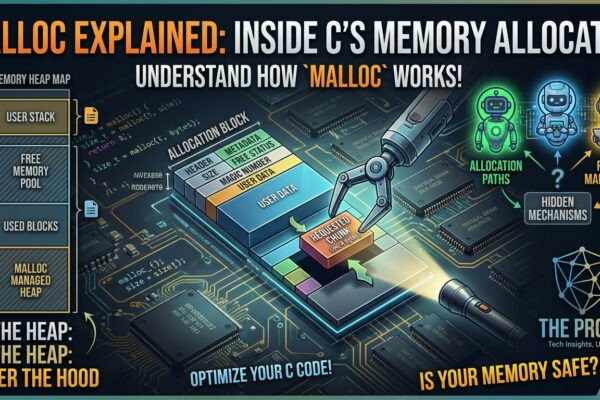
Trace how malloc works, from free lists and metadata to brk, mmap, fragmentation, multithreaded allocators, security bugs, and practical C debugging.
See how the Text.js React framework uses a custom renderer to build interactive console apps, full-stack tools, terminal UIs, and agent-ready software.

Explore how the Meridian browser combines Servo, Rust, and GPUI on macOS, what it can do today, its limits, and why its architecture matters for the web.
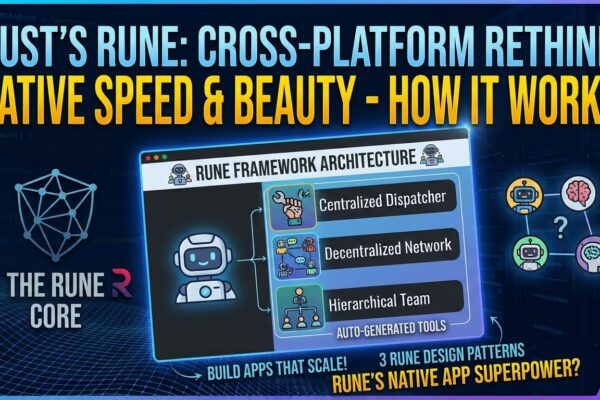
Explore how the Rune Rust UI framework uses GPU rendering, custom layout, and headless testing to target desktop platforms and the web from one codebase.
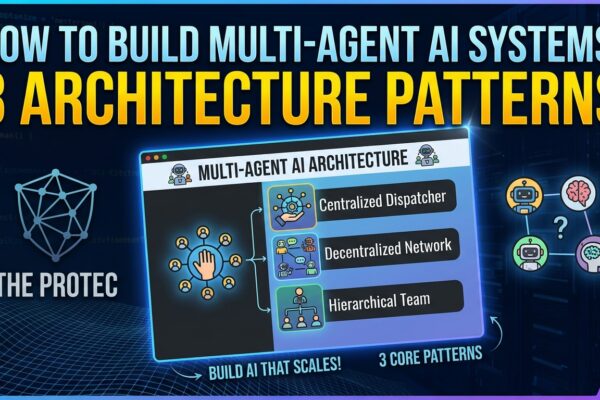
Learn how Multi-agent AI systems use orchestrator–worker, blackboard, and pipeline patterns, with pseudocode, safeguards, and practical examples for production.
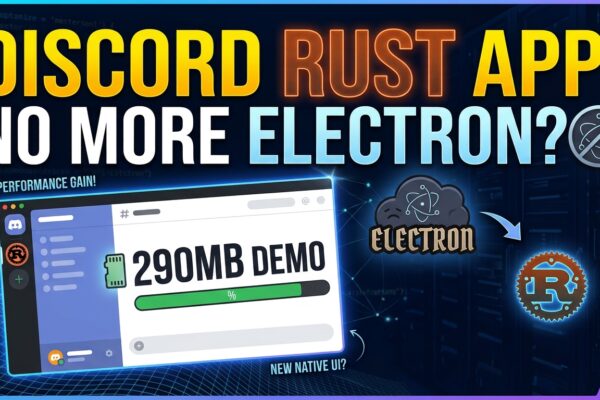
The Discord Rust app promises a leaner desktop client. Learn why Discord chose GPUI, what its 290MB demo means, and what public testing could reveal.
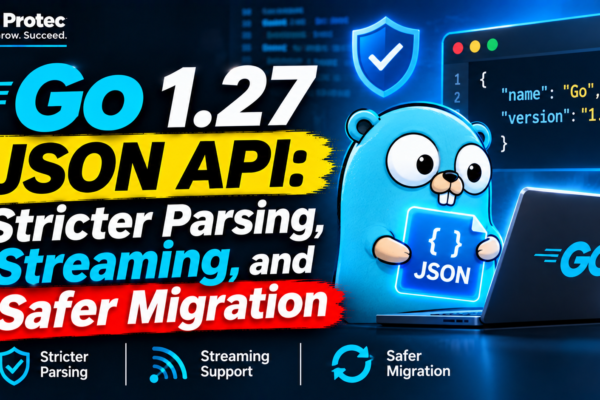
Learn how the Go 1.27 JSON API tightens validation, adds options, and improves streaming—and what to test before migrating production services safely.