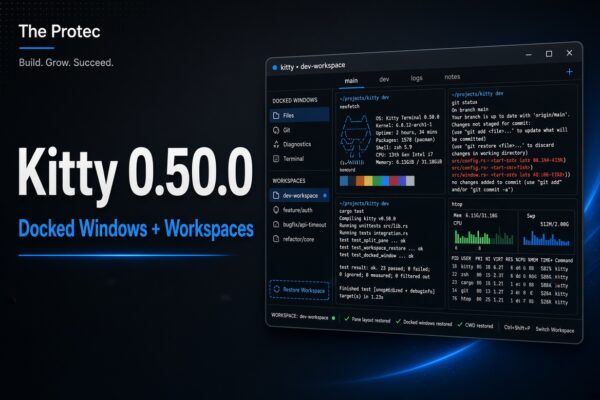
Kitty 0.50.0 Brings Docked Windows and Restorable Workspaces
Kitty 0.50.0 introduces docked windows, restorable sessions with scrollback, and named tab workspaces for faster, more resilient terminal workflows.










Explore software development, programming, application architecture, backend and frontend development, databases, mobile development, quality assurance, and modern development practices. Find practical insights and tools for developers.
Kitty 0.50.0 introduces docked windows, restorable sessions with scrollback, and named tab workspaces for faster, more resilient terminal workflows.

Microsoft says smarter memory compression and leaner apps can improve Windows 11 8GB RAM performance. Learn what changed, what to update, and the limits.
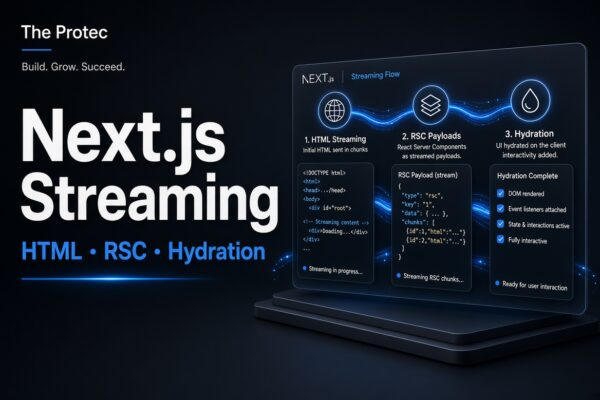
Learn how Next.js streaming sends HTML and RSC payloads, how initial loads differ from navigation, and what hydration means for speed, debugging, and SEO.

Learn how a Three.js virtual art museum uses WebGL, lighting, navigation, artwork interactions, and optimization to create an immersive gallery online.

Learn how digital minimalism for developers reduces data exposure, trims attack surfaces, and balances privacy with debugging, support, and fraud needs.
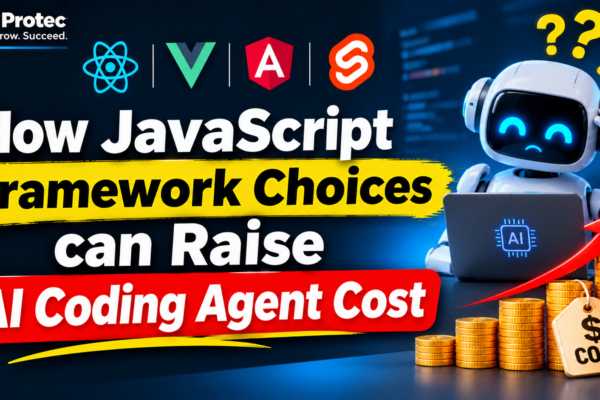
See how Nolan Lawson’s experiment connects AI coding agent cost to tokens, tool calls, debugging loops, build time, maintenance, and code quality tradeoffs.
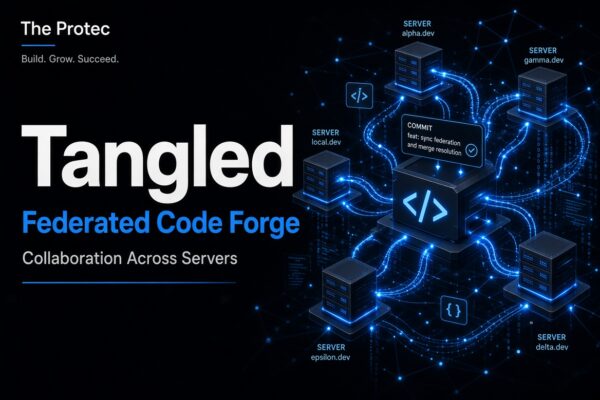
Learn how the Tangled federated code forge links self-hosted Git servers, stores collaboration data, and what teams must verify before real production use.

A new shortest path algorithm extends a 1996 accuracy guarantee to closer pairs in huge sparse networks without increasing asymptotic runtime. See why it matters.
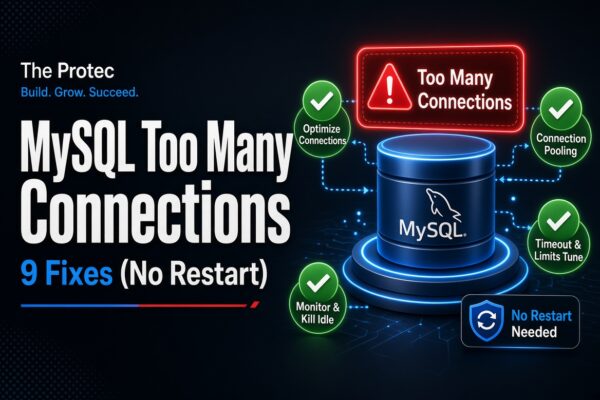
Diagnose the MySQL Too Many Connections Error and apply nine production-safe fixes across PHP, Laravel, pools, queries, timeouts, capacity, and alerts.
The Goose programming language takes an unusual approach to memory safety and performance: no heap allocator, no garbage collector, and no lifetime annotations. Here is how it works, what its benchmarks claim about C++ and Rust, and why developers should pay attention.
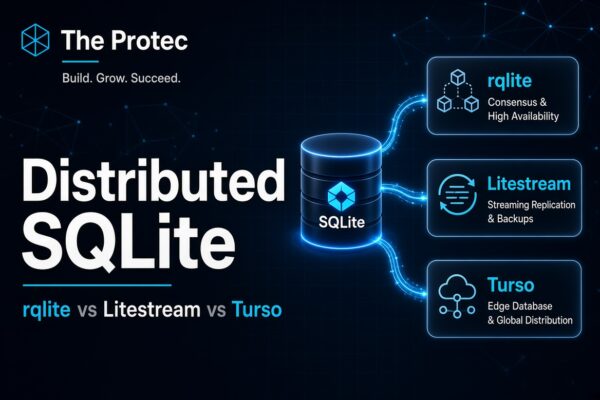
SQLite can now support clustered services, continuous disaster recovery and globally distributed applications—but rqlite, Litestream and Turso solve fundamentally different problems.
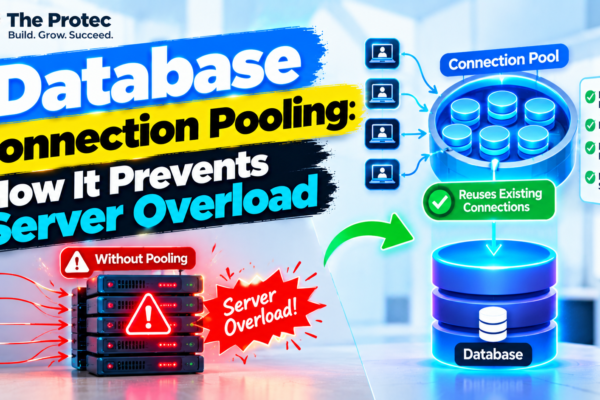
Database connection pooling reduces connection overhead by safely reusing a controlled set of database sessions. Learn how pools work, how to size them, and how to prevent exhaustion in PHP, Laravel, PostgreSQL, MySQL, and scalable backend services.
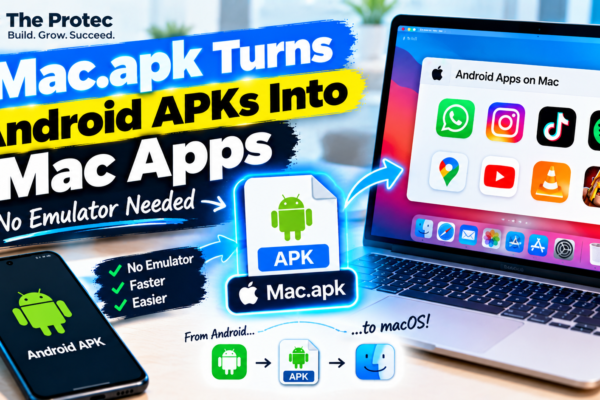
Mac.apk is an open-source alpha that launches Android APKs in individual macOS windows. Here is how it works, what it supports, and the risks to consider.

Google Play Store is simplifying personal Android app creation and private installation, giving beginners a safer path from AI-generated prototype to working app.
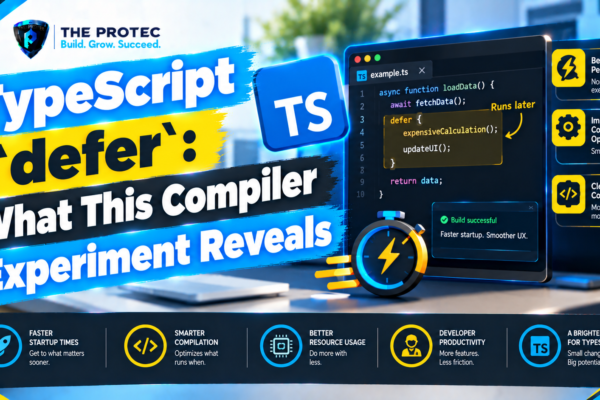
A Go-inspired TypeScript Defer compiler experiment makes cleanup concise, but async execution, error handling, and standardized resource management expose the catch.
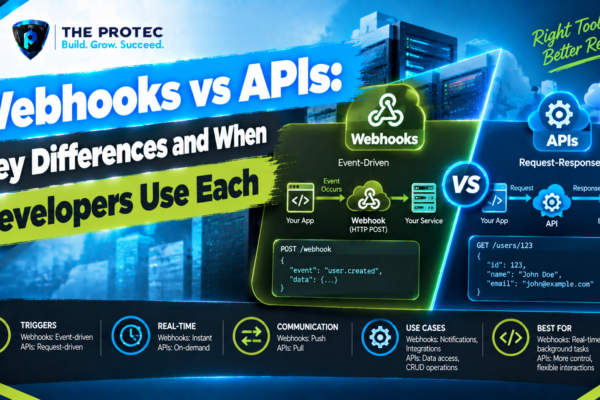
Learn how APIs and webhooks differ, where polling fits, and how to combine both patterns for secure, reliable payment, e-commerce, CRM, and SaaS integrations.
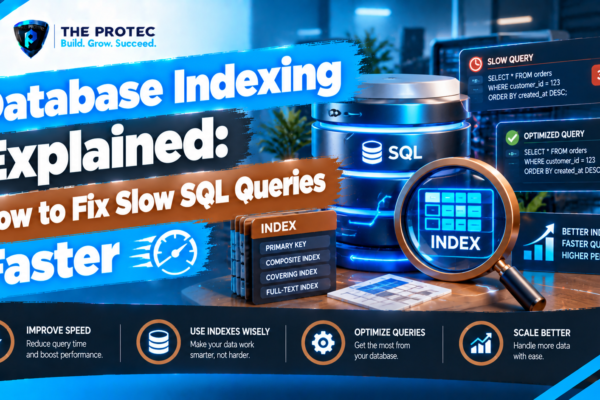
Discover how MySQL and PostgreSQL Database indexing work, why SQL queries slow down, and how to use EXPLAIN, composite indexes, and Laravel migrations effectively.
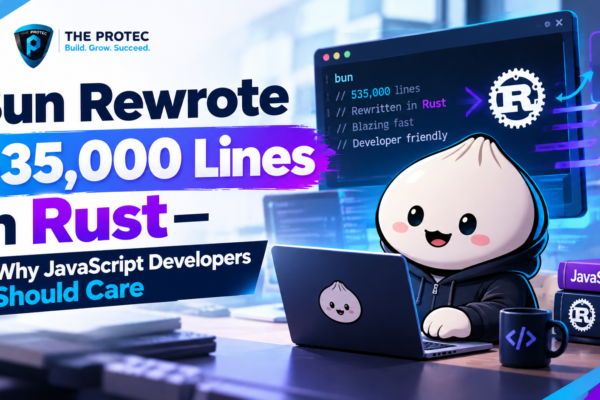
Bun’s massive Zig-to-Rust migration shows how AI coding agents, strong tests, compiler feedback, fuzzing, and human review can reshape large software rewrites.
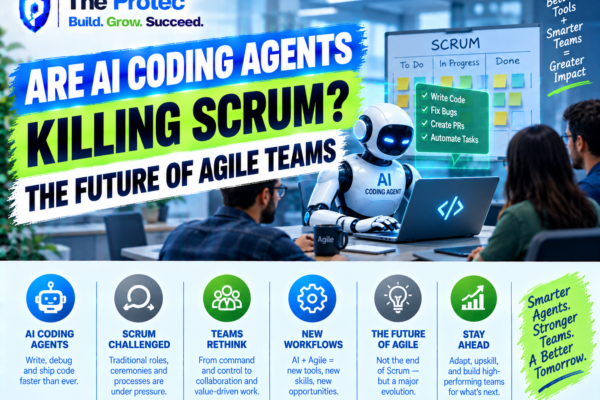
AI coding agents are compressing development cycles and challenging sprint-based work. Here is how Agile teams can adapt without abandoning Scrum’s core values
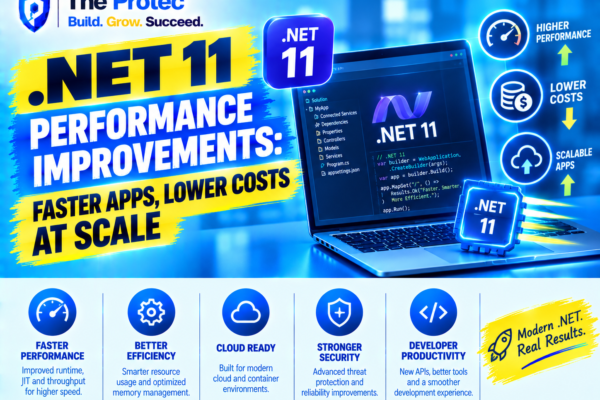
Explore how .NET 11 improves JIT compilation, garbage collection, memory use, startup, and ASP.NET Core performance improvements for faster, more efficient applications.