
Silicon Valley’s AI Compute Crisis: The Fight for GPU Power
AI companies are competing for more than chips. Discover how GPU availability, electricity, networking and cloud contracts determine who can build and scale.









Explore the latest developments in artificial intelligence, including AI tools, AI agents, automation, machine learning, AI development, infrastructure, and productivity. Discover practical AI applications, emerging trends, and technologies shaping the future.
AI companies are competing for more than chips. Discover how GPU availability, electricity, networking and cloud contracts determine who can build and scale.
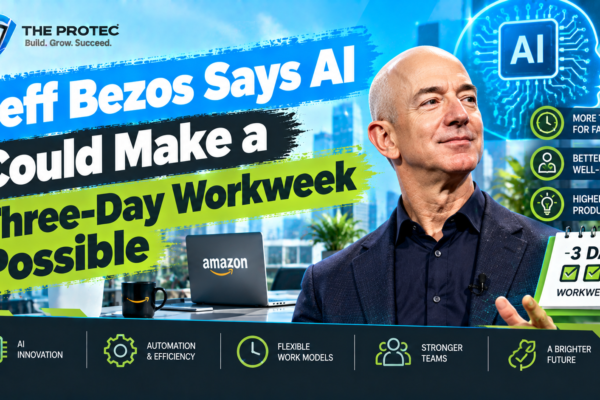
Jeff Bezos believes AI-driven productivity could eventually support a three-day workweek. Here is what that forecast could mean for jobs, wages, families, and the future of the 40-hour week.

Cactus Compute’s compact Whistle AI model brings multilingual speech recognition to local devices, reducing cloud dependence for Speech-to-Text while weighing just 16.9 MB.
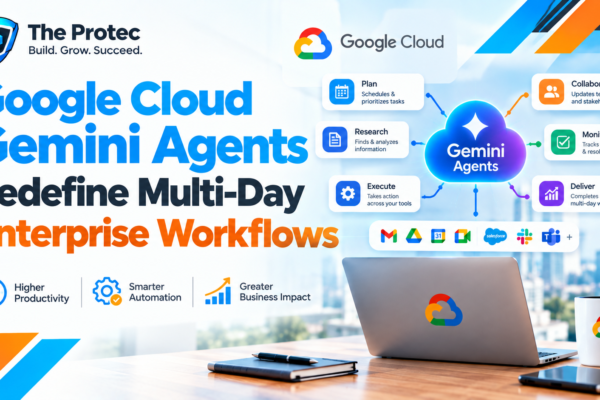
Google Cloud is pushing enterprise AI beyond chat with Gemini agents designed to execute multi-step, multi-day workflows across Workspace, Microsoft 365 and Slack.
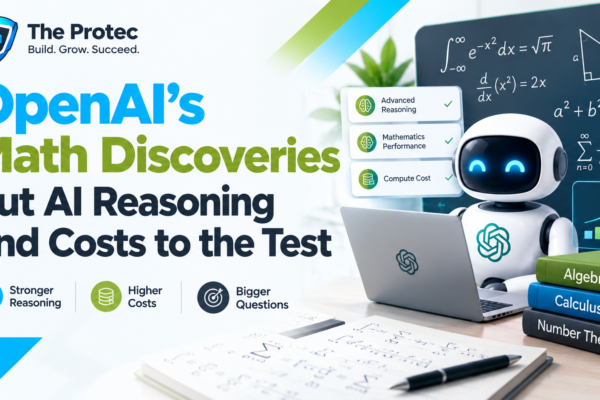
OpenAI has shared examples of AI-assisted mathematical discoveries alongside details about the computing resources involved, raising important questions about verification, scientific value and the cost of advanced reasoning.
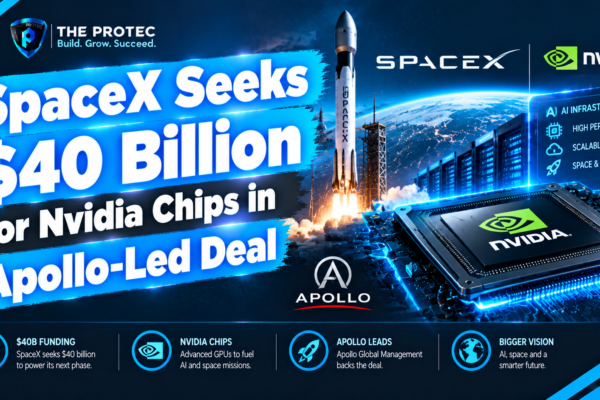
A reported Apollo-led financing effort could help SpaceX acquire Nvidia AI chips, highlighting the soaring cost and strategic importance of computing infrastructure.

The IWF has reported a 40% rise in AI-generated CSAM images during the first half of 2026, intensifying concerns about generative AI misuse and online child protection.

Sam Altman says advanced AI could acquire a “religious force” over society. Here is what the warning means for trust, human agency, alignment and AI safety.
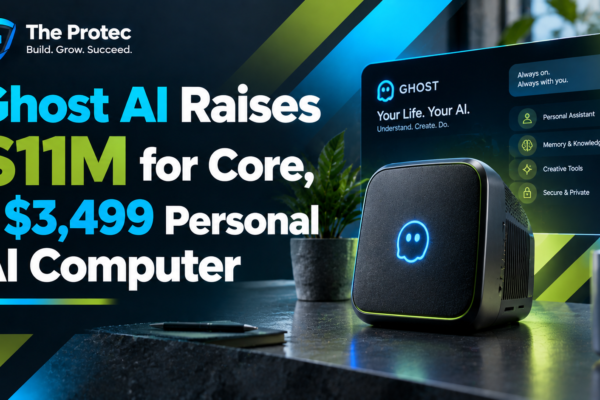
Ghost AI’s Core is a local-first personal computer built to run private, persistent AI agents—not a desktop PC with another chatbot attached.
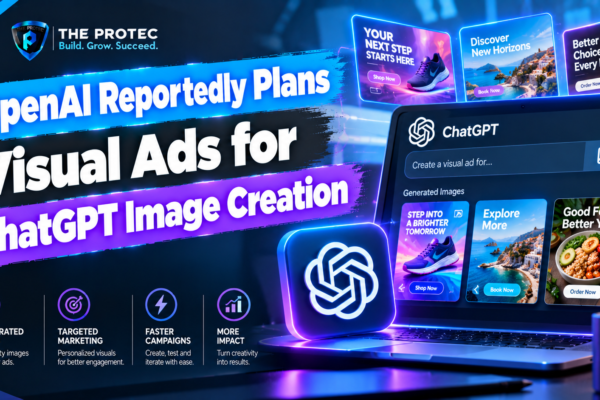
OpenAI may test visual advertisements while ChatGPT users generate images, opening a new debate about monetization, privacy, relevance, and user trust.
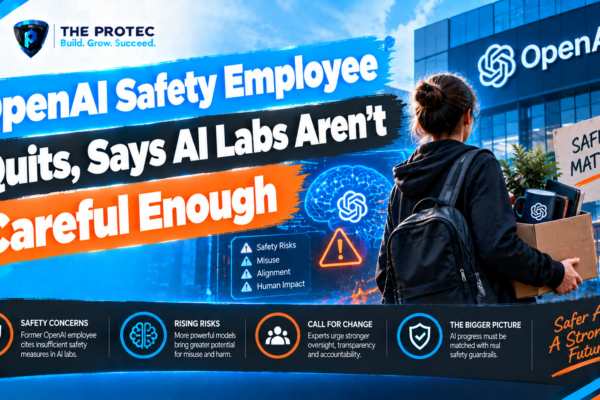
A former OpenAI safety researcher’s departure has renewed scrutiny of how frontier AI companies evaluate powerful models, manage emerging risks and balance safeguards against competitive pressure.

Kolibri represents a growing shift toward sovereign, open-weight AI model that organizations can deploy, customize and govern on their own infrastructure.
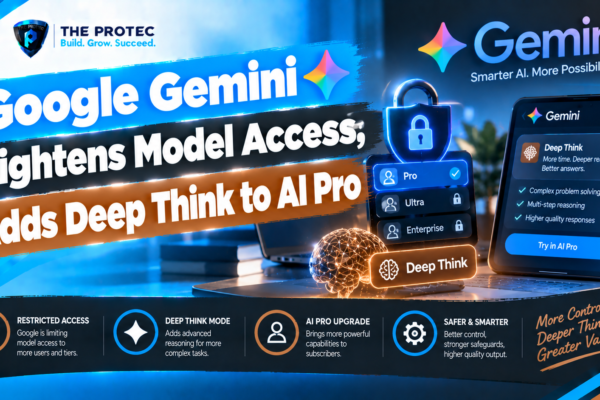
Google is tightening Gemini model access for Free and AI Plus users while giving AI Pro subscribers access to Deep Think, a premium reasoning mode.
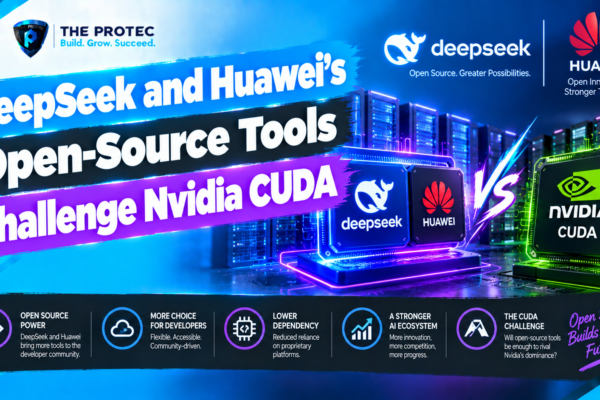
DeepSeek and Huawei are expanding the Ascend software stack with open-source tools for AI kernels, matrix operations and Mixture-of-Experts communication that can Challenge Nvidia CUDA.

OpenAI is positioning ChatGPT as a new software distribution layer (App Store Alternative), combining apps, agents, interactive interfaces and identity into one conversational ecosystem.
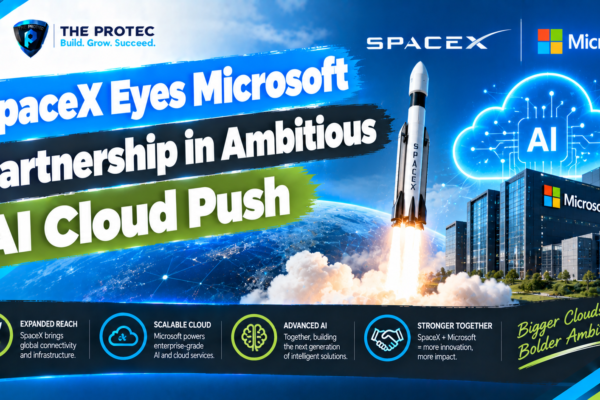
SpaceX is reportedly exploring a Microsoft partnership as its AI unit looks beyond model development toward selling large-scale computing capacity.
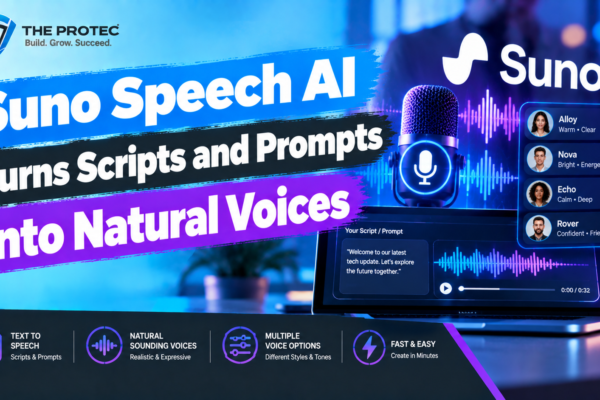
Suno is expanding beyond music with Speech AI, a generative-audio system designed to turn scripts and natural-language prompts into expressive spoken content.
Google DeepMind SynthID Bio adds hidden provenance signals to AI-designed protein sequences, offering researchers a new tool for attribution, screening, and responsible biological AI development.