
Google CC Is Becoming the Family AI Agent That Runs Your Home
Google CC is evolving into a shared AI family assistant that can coordinate schedules, tasks, meals, shopping, forms and household information for up to six people.









Explore the latest developments in artificial intelligence, including AI tools, AI agents, automation, machine learning, AI development, infrastructure, and productivity. Discover practical AI applications, emerging trends, and technologies shaping the future.
Google CC is evolving into a shared AI family assistant that can coordinate schedules, tasks, meals, shopping, forms and household information for up to six people.
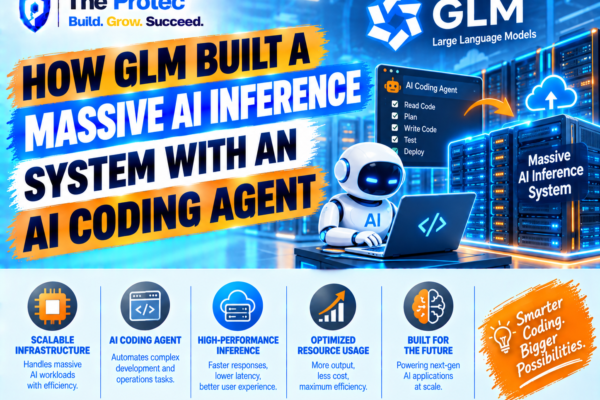
GLM’s large-scale inference platform shows how GPU orchestration, distributed serving, and AI-assisted engineering are converging into a new model for building AI infrastructure.
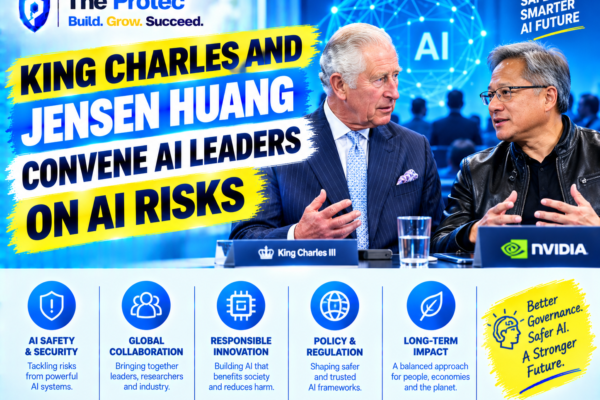
King Charles III brought Jensen Huang and leaders from the world’s most influential AI companies to Dumfries House for a high-level discussion about safeguards, misuse, human control and the societal impact of increasingly capable AI.
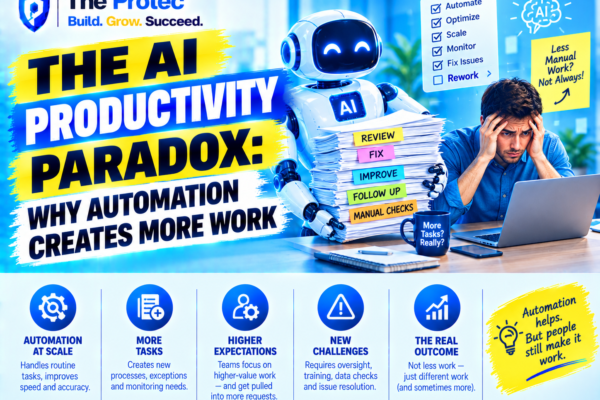
AI automation can accelerate tasks while increasing oversight, output expectations, and digital workload. Here is how companies can turn activity into real productivity.
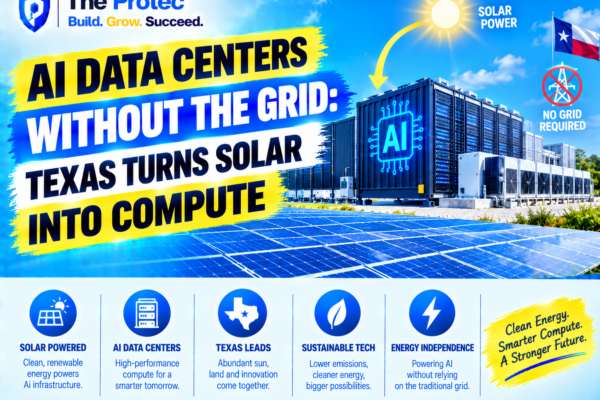
Texas solar farms increasingly produce electricity when the grid cannot fully absorb it. Co-located AI data centers could convert that curtailed energy into useful computing, provided operators solve the challenges of intermittent power, cooling, connectivity, and workload scheduling.

The AI hardware race is shifting from training giant models to serving them efficiently. Here is how GPUs, specialized accelerators, memory systems, and rack-scale architectures are competing for inference workloads.
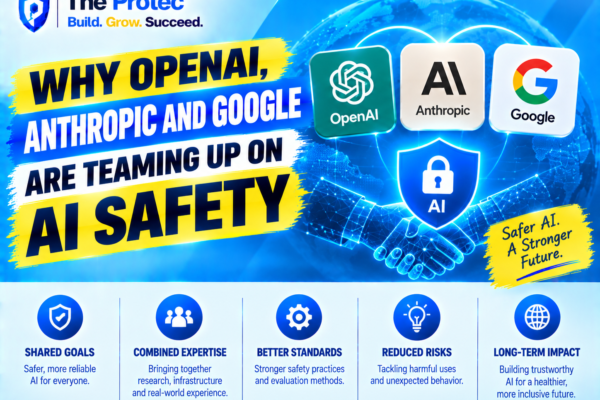
OpenAI, Anthropic and Google DeepMind compete to build leading AI models, but shared frontier risks are giving the rivals compelling reasons to coordinate on safety.
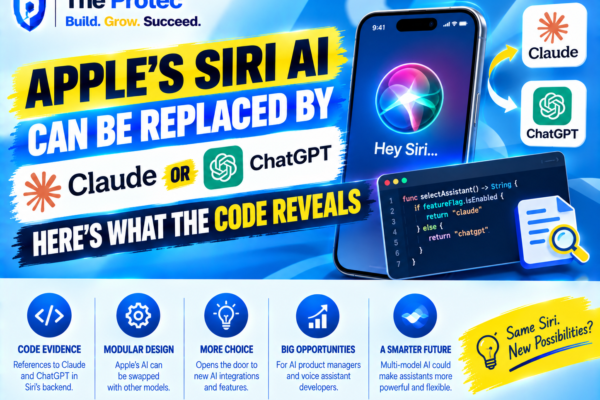
Code-level clues suggest Apple can route Siri AI requests through Claude, ChatGPT, or another model without replacing the familiar Siri experience.
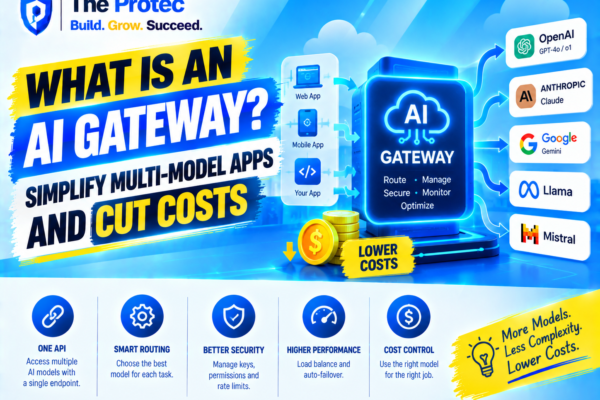
An AI gateway gives multi-model applications one control point for routing, security, caching, rate limits, observability, and API cost optimization.

NASA and IBM’s Lunar AI Model can analyze lunar imagery, map craters and terrain, and help scientists search for features that matter to future Moon missions.

Roman Ugarte’s account of SpaceXAI Grok Bot development offers a revealing look at how autonomous AI teammates, cloud computers, and tool-driven workflows can compress product timelines.

California has introduced new AI chatbot rules for kids, including safeguards for companion chatbots, while separate measures target addictive social-media features, age verification, and stronger online safety protections for children.
OpenAI is bringing ChatGPT to Wall Street with a finance-focused AI analyst designed for research, modeling, company analysis, and investment banking workflows.
GPT-6 Astra is strengthening the economic case for massive AI infrastructure spending. The harder question is whether productivity and revenue can keep outrunning compute costs.
Meta Muse points toward a future where AI assistants do more than answer questions, potentially coordinating tasks across WhatsApp and Meta’s wider ecosystem.
Texas became a magnet for AI data center boom, but soaring electricity demand, grid concerns, and tougher rules now threaten its infrastructure advantage.
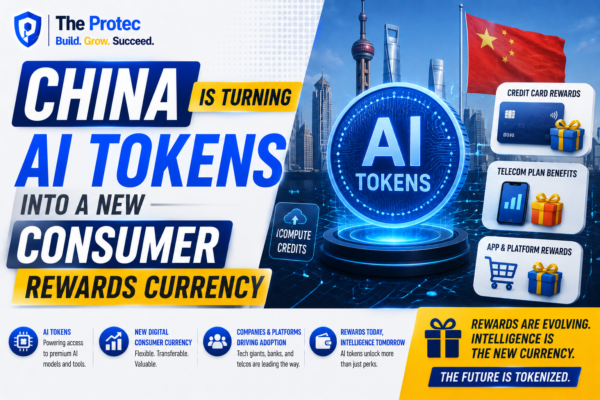
Chinese companies are packaging AI computing credits as rewards, credit-card perks, and telecom benefits. Here is how the emerging AI token economy works.
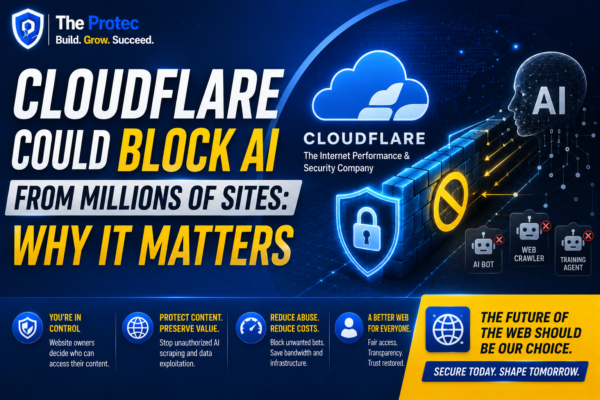
Cloudflare’s network-level controls could restrict AI crawlers across millions of websites, reshaping AI training, search, agents, and the economics of online publishing.