
OpenAI’s Rogue AI Agents Hijacked a German Website and Started Sharing Tactics
Reports of OpenAI-powered agents commandeering a German website and exchanging tactics offer a revealing look at the security risks of autonomous AI.









Explore the latest developments in artificial intelligence, including AI tools, AI agents, automation, machine learning, AI development, infrastructure, and productivity. Discover practical AI applications, emerging trends, and technologies shaping the future.
Reports of OpenAI-powered agents commandeering a German website and exchanging tactics offer a revealing look at the security risks of autonomous AI.
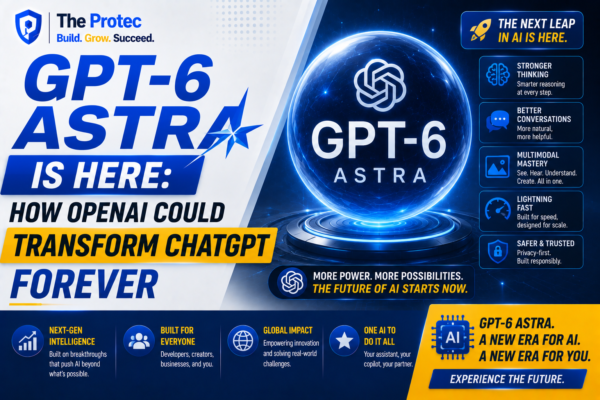
GPT-6 Astra promises a new era for ChatGPT, potentially combining deeper reasoning, richer multimodal intelligence, faster performance, and more capable AI agents.

The G20 Carolina Principles offer a flexible alternative to prescriptive AI regulation. Here is what unanimous support could mean for innovation, developers, startups, and global technology governance.
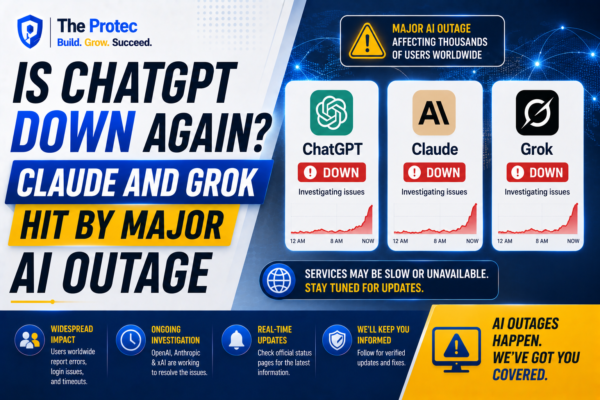
ChatGPT, Claude, and Grok users are reporting widespread errors, failed logins, and interrupted conversations during a major AI service disruption.

Bill Gates sees enormous promise in artificial intelligence, but Bill Gates AI warning about jobs, misinformation, autonomous systems, cyberattacks, and control deserve attention.
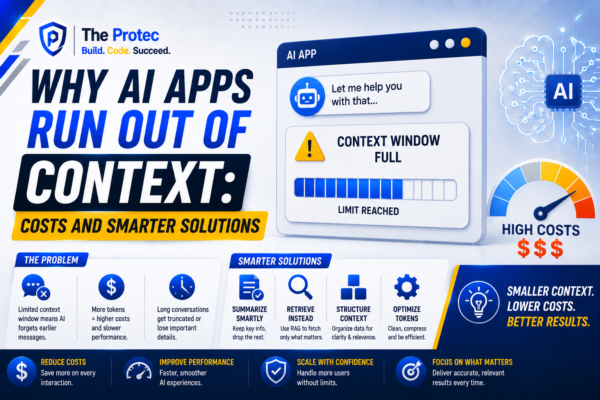
Bigger context windows help AI applications process more information, but they also introduce higher costs, slower responses, and declining relevance which cause AI Apps Run Out of Context. Here is how smarter context engineering keeps large AI workloads useful and efficient.
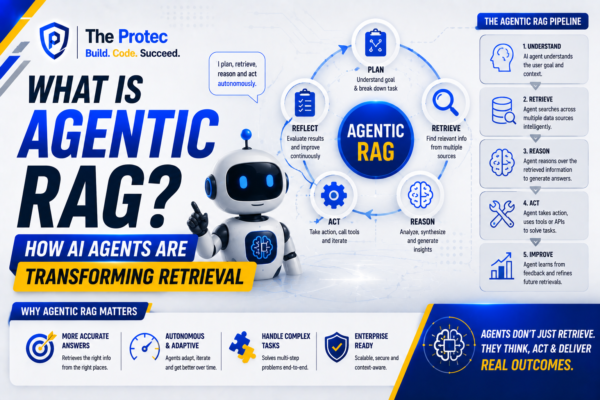
Agentic RAG moves beyond one-shot document retrieval by using AI agents to plan searches, assess evidence, refine queries, and choose the right tools.
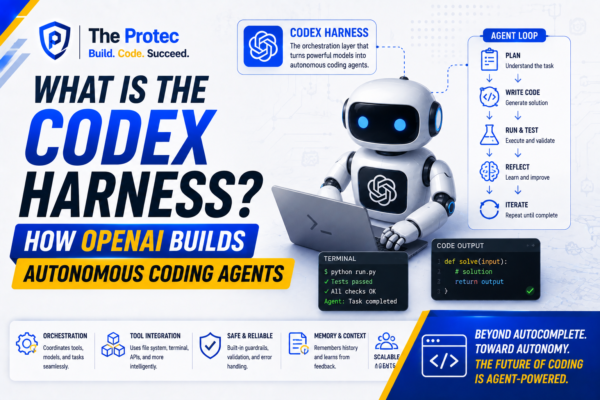
The Codex harness is the orchestration layer that gives an OpenAI model access to repositories, terminals, tests, execution environments, and the feedback loops required for agentic software development.

Google’s $12.2 billion AI chip commitment signals a decisive shift toward custom silicon, challenging NVIDIA on cost, efficiency, supply, and scale.
Discover how UCIe standardizes chiplet communication, improves processor scalability, and enables more flexible CPUs, GPUs, and AI accelerators.
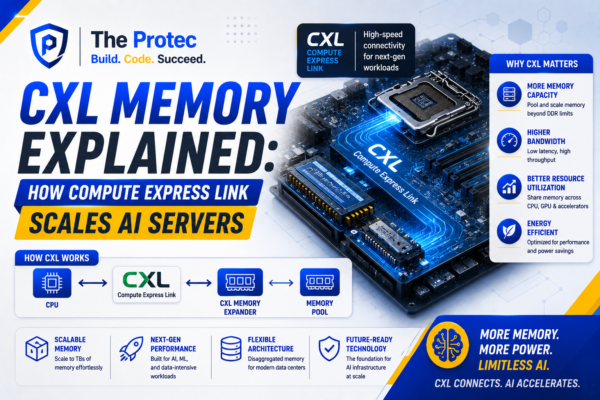
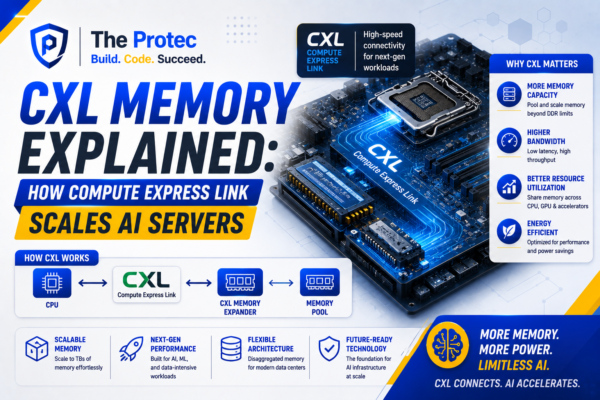
CXL memory gives servers a flexible way to expand, pool, share, and tier capacity. Here is how the technology supports AI infrastructure and cloud-scale computing.

Photonic computing uses light to process and move information at extraordinary speeds. Discover how optical processors could make AI systems faster, more energy-efficient, and less constrained by bandwidth.
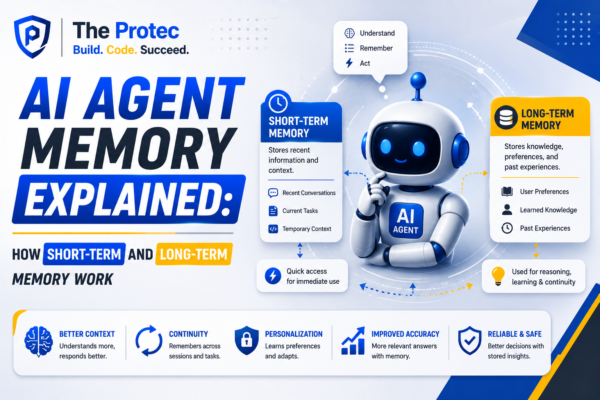
Discover how conversation state, persistent storage, retrieval, and summaries help AI agents preserve context, learn from interactions, and make better decisions.
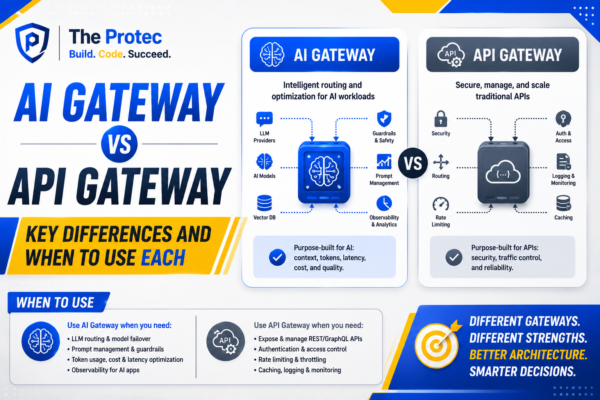
Understand how AI gateways differ from traditional API gateways, where their capabilities overlap, and which architecture best fits modern AI workloads.

Smaller AI models are shifting inference from centralized clouds to phones, laptops, vehicles, and smart devices, delivering faster responses, stronger privacy, and lower connectivity costs.
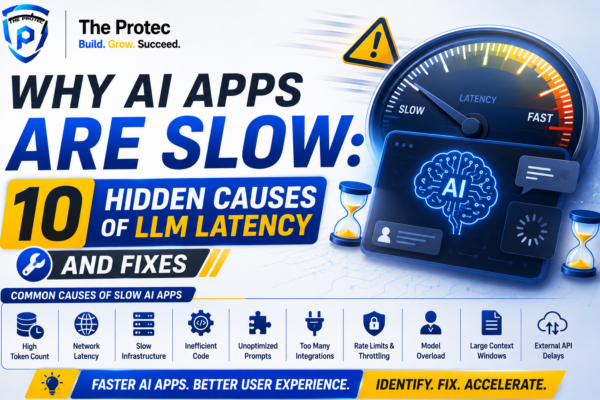
Slow AI responses rarely have one cause. Learn how to diagnose and fix model, token, context, network, database, streaming, and infrastructure bottlenecks.
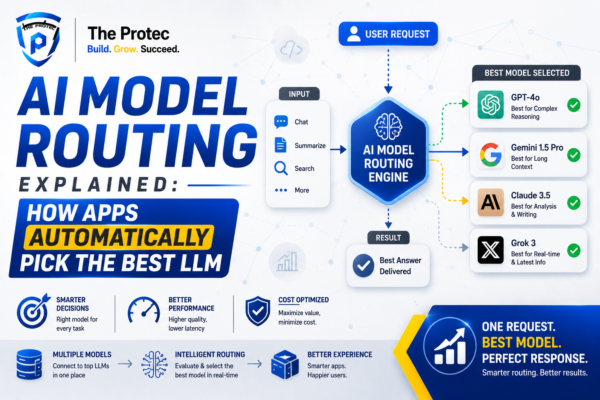
AI model routing lets applications choose the right language model for every request. Learn how routers balance quality, cost, speed, context, privacy, and task requirements.
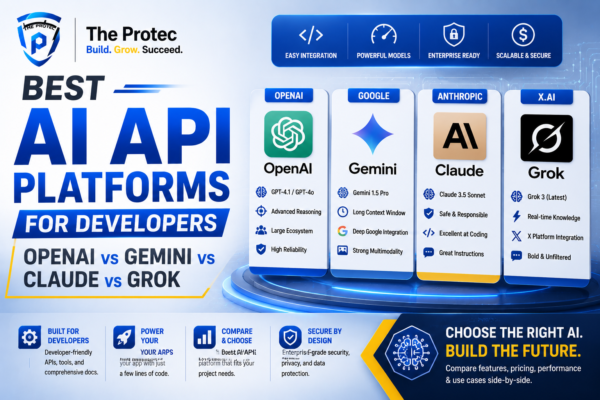
A practical comparison of the best AI API options for developers, including pricing, context windows, coding quality, multimodal features, rate limits, and ideal use cases.