








The Future of AI-Powered SEO: How Artificial Intelligence is Revolutionizing Search Optimization
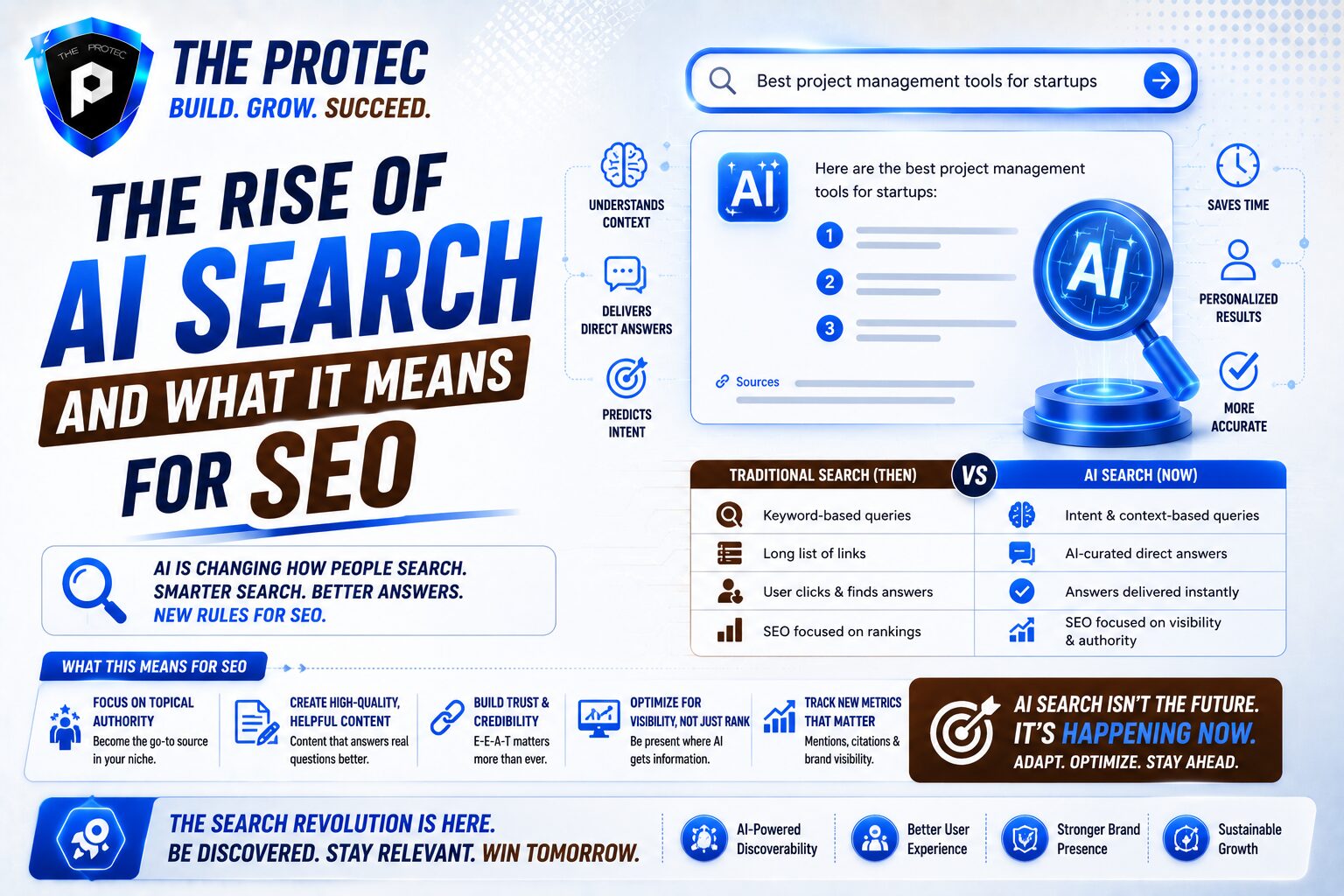
Search Engine Optimization (SEO) has always been a dynamic and evolving field, shaped heavily by algorithm updates, user behavior, and technological advances. In recent years, Artificial Intelligence (AI) has emerged as a transformative force, revolutionizing the way businesses and marketers approach SEO. From content creation to keyword research and ranking prediction, AI is not just an add-on but rapidly becoming the core catalyst behind effective search optimization strategies.
Understanding AI’s Role in SEO
Artificial Intelligence, at its core, is the ability of machines to mimic human intelligence processes such as learning, reasoning, and self-correction. When applied to SEO, AI can analyze vast datasets, identify patterns, and make decisions faster and often more accurately than manual methods.
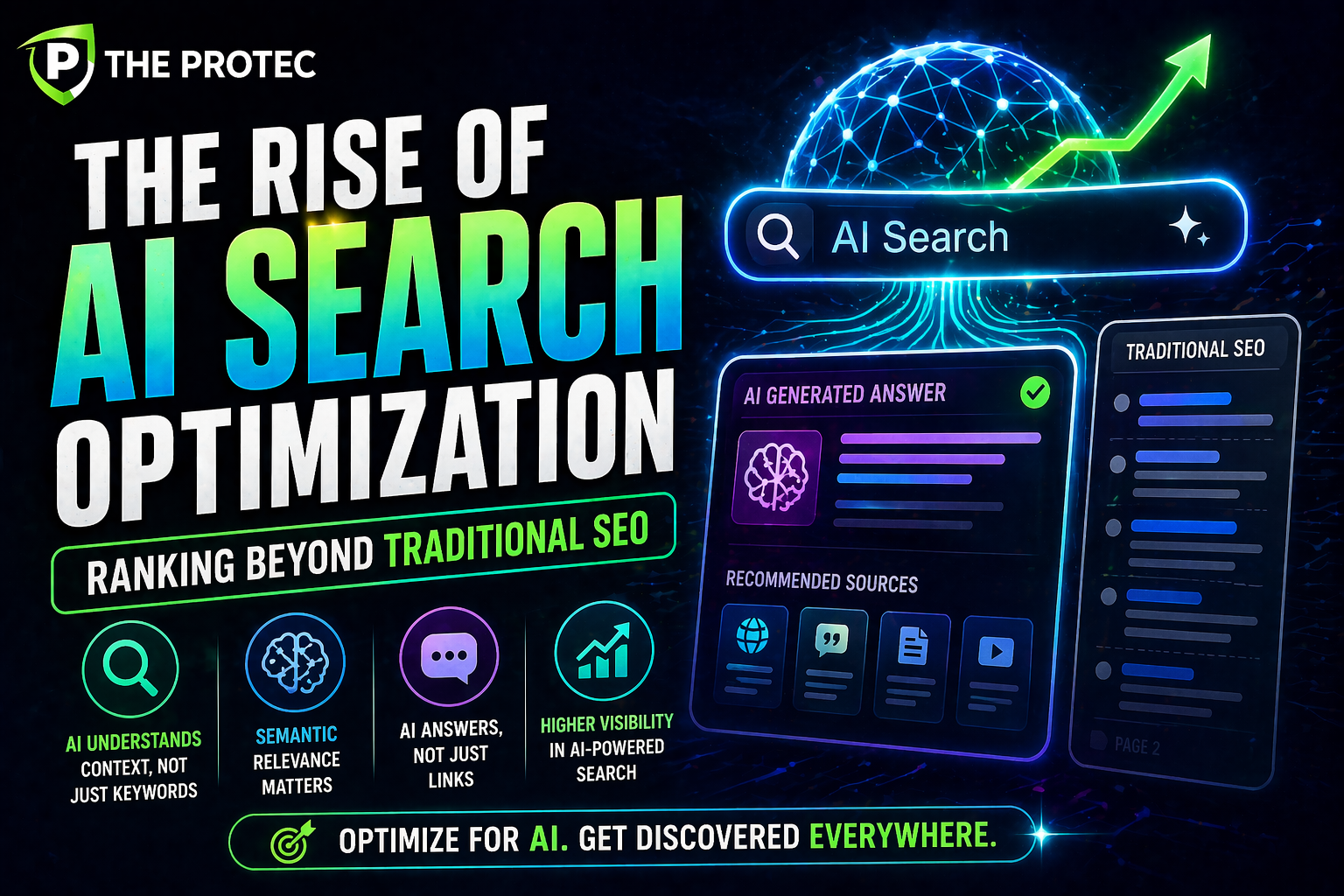
Modern search engines like Google already incorporate AI technologies such as BERT and RankBrain to better understand user queries and deliver more relevant results. This means marketers must adopt AI-driven SEO tools and strategies to stay competitive.
Key Areas Where AI Impacts SEO
- Keyword Research and Analysis: AI tools analyze search trends, user intent, and competition to pinpoint high-potential keywords.
- Content Creation and Optimization: Automated content generators and optimization tools help produce SEO-friendly content tailored to user queries.
- Voice Search Optimization: AI processes natural language to optimize for voice search, an increasingly popular search mode.
- User Experience (UX) Analysis: AI analyzes user behavior to improve site structure and engagement metrics that influence rankings.
- Predictive SEO: Machine learning models forecast ranking fluctuations and identify strategic moves to boost performance.
AI-Powered SEO Tools to Watch
A growing number of AI-powered SEO tools are available, each designed to handle different parts of the optimization process. Here are some notable categories and examples:
1. Keyword Research and Content Strategy Tools
- SEMrush: Employs AI to analyze competitors’ keywords and uncover new content opportunities.
- Ahrefs: Uses machine learning to improve backlink analysis and keyword difficulty estimates.
- Clearscope: Enhances content relevance by suggesting keywords aligned with user intent using AI-driven semantic analysis.
2. Content Generation and Optimization
- ChatGPT & GPT-4: AI language models that can assist with content drafting, meta descriptions, and even blog post outlines.
- Surfer SEO: Combines data analysis with content planning to optimize written content in real-time for target keywords.
3. Technical SEO Automation
- DeepCrawl: Uses AI-powered site audits to detect technical SEO issues like broken links, crawl errors, and duplication.
- Screaming Frog (integrated AI): Advanced crawling combined with AI insights to prioritize fixes based on SEO impact.
4. Voice Search and Conversational AI
- Answer the Public: AI helps discover the questions people ask, guiding voice search optimization.
- Dialogflow: Helps create conversational experiences, optimizing content for voice assistants.
How AI Enhances Keyword Research and Competitor Analysis
Traditional keyword research involved manually analyzing search terms and user intent—a painstaking and often incomplete process. AI has changed this by automating the evaluation of millions of data points to predict which keywords have the best potential.
AI-powered tools can assess the intent behind a query—whether users want to buy, learn, compare, or navigate. This allows SEO strategists to create targeted content rather than generic pages. Additionally, AI helps uncover semantically related keywords and long-tail opportunities that competitors might overlook.
Competitor analysis is also enhanced. AI models quickly identify gaps and weaknesses in competitors’ strategies, from backlink profiles to content depth, enabling data-driven decisions that improve rankings and visibility.
Revolutionizing Content Creation with Intelligence
One of the most exciting AI developments in SEO is automated content generation. Platforms leveraging natural language generation can produce blog posts, product descriptions, and metadata optimized for search engines. However, while AI can draft initial content quickly, human oversight remains crucial to ensure quality, accuracy, and brand voice.
Moreover, AI-based content optimization tools analyze existing pages to provide recommendations on keyword usage, content length, readability, and semantic relevance. This iterative optimization helps pages rank higher through continuous improvements aligned with search engine ranking factors.
Optimizing for Voice Search: AI’s Natural Language Processing Advantage
Voice search is growing rapidly, especially on mobile and smart home devices. Optimizing for voice queries differs from traditional search because voice tends to be more conversational and question-based.
AI-driven Natural Language Processing (NLP) allows SEO professionals to understand and target these voice queries better. By identifying conversational keywords and common questions, businesses can create content that aligns with voice search behavior, improving their chances of appearing in featured snippets or voice answers.
AI in User Experience and Technical SEO
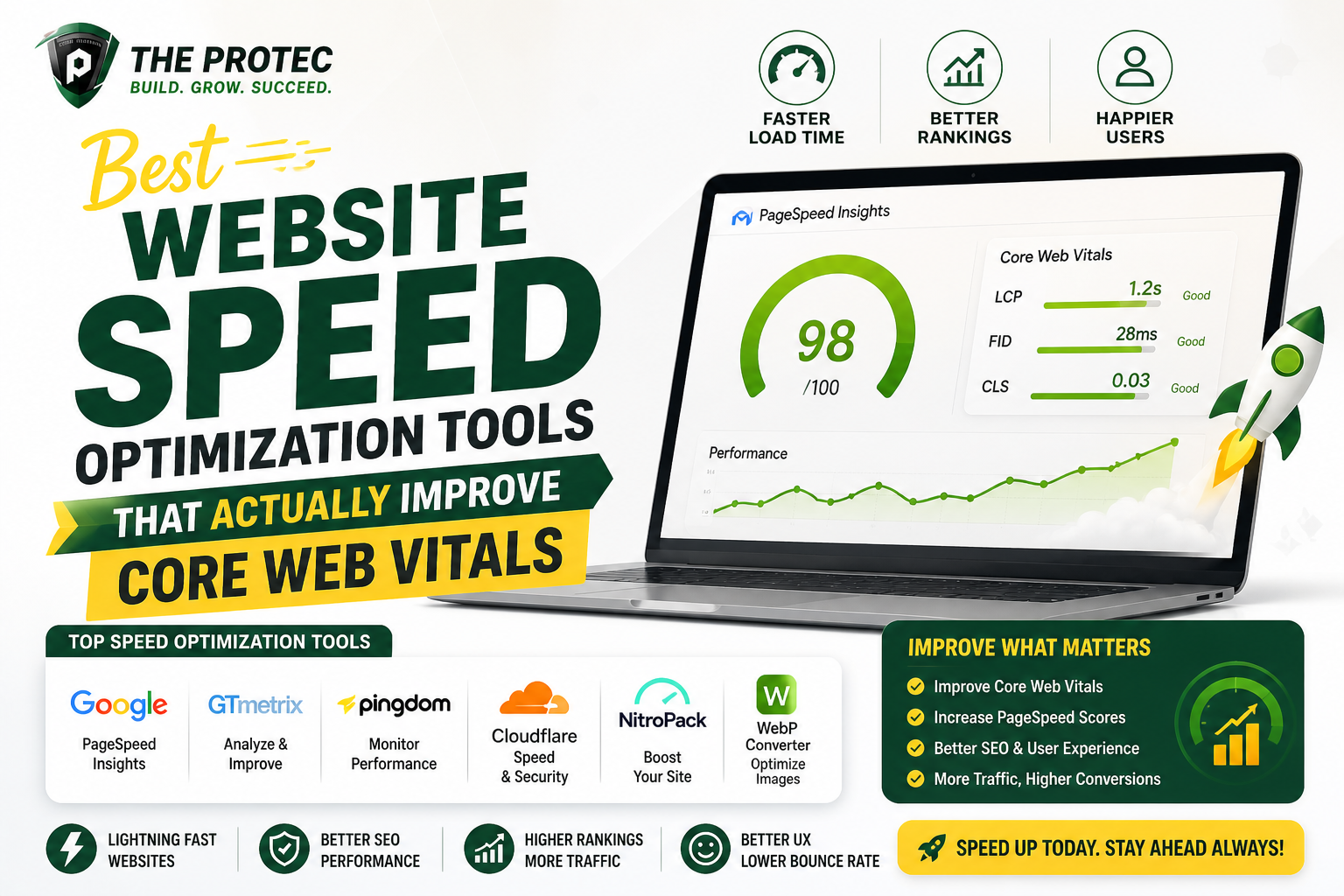
Google’s ranking algorithms increasingly favor websites that provide excellent user experience (UX). AI tools analyze metrics like page speed, mobile responsiveness, navigation flow, and user engagement, identifying bottlenecks that could harm SEO.
Technical SEO is also transformed. AI-powered crawling bots simulate how search engines view your site, discover errors, and even prioritize fixes based on potential ranking impact. This automation saves time and ensures technical SEO stays ahead of evolving search algorithms.
Predictive SEO: Anticipating Trends and Ranking Changes
One of the most forward-looking applications of AI in SEO is predictive analytics. By mining historical data and search patterns, machine learning algorithms predict future ranking trends, keyword shifts, and content opportunities.
This foresight enables marketers to be proactive, adjusting content strategies before algorithm updates or market changes impact rankings. For example, predictive SEO can alert you to emerging keywords well before competitors act on them.
Challenges of AI-Powered SEO
Despite its advantages, AI-powered SEO comes with challenges. Key concerns include:
- Content Quality and Authenticity: Over-reliance on AI without human editing can lead to generic or low-quality content that may be penalized.
- Ethical Considerations: Using AI to manipulate rankings or generate misleading content poses ethical and legal risks.
- Integration Complexity: Incorporating AI tools into existing SEO workflows requires training and sometimes significant change management.
- Cost: High-quality AI tools can be expensive, making them less accessible for smaller businesses.
Best Practices for Leveraging AI in SEO
To maximize AI’s potential while minimizing risks, consider these best practices:
- Combine AI with Human Expertise: Use AI for data analysis and automation, but ensure content is reviewed by skilled professionals.
- Focus on User Intent: Let AI insights guide you in understanding and serving your audience better, not just gaming the algorithm.
- Stay Updated on Algorithm Changes: Monitor updates to ensure your AI tools align with the latest ranking criteria.
- Leverage Internal Linking: Use AI to optimize your internal linking structure, boosting site authority and crawlability. For more insights, see our article on internal linking strategies.
- Invest in Training: Educate your SEO team on how to effectively use AI tools and adapt to AI-driven processes.
Future Trends in AI and SEO
Looking ahead, several trends signal how AI will continue shaping SEO:
- Hyper-Personalization: AI-driven SEO will tailor results more precisely to individual user profiles, location, and preferences.
- Multimodal Search: Integration of image, video, and voice search with AI understanding to deliver holistic search experiences.
- AI-Powered Chatbots and Assistants: These will increasingly integrate with SERPs, offering direct answers and interactive search experiences.
- Real-Time SEO Adjustments: Dynamic AI algorithms could enable websites to automatically optimize content and structure based on real-time search trends.
Frequently Asked Questions (FAQ)
What is AI-powered SEO?
AI-powered SEO refers to the use of artificial intelligence technologies and machine learning algorithms to automate, optimize, and improve search engine optimization efforts.
How does AI improve keyword research?
AI analyzes large sets of search data to better understand user intent and uncover high-potential keywords, including long-tail and semantic queries often missed by traditional methods.
Can AI create content without human input?
While AI language models can generate draft content, human oversight is essential to ensure quality, brand alignment, and accuracy to avoid potential penalties.
Is AI SEO ethical?
AI SEO is ethical when used to enhance user experience and provide valuable content. Issues arise when it is used to manipulate rankings or create misleading content.
What are some AI SEO tools to get started with?
Popular tools include SEMrush, Ahrefs, Clearscope for keyword analysis and content optimization, Surfer SEO for content planning, and DeepCrawl for technical SEO audits.
Conclusion
Artificial Intelligence is no longer the future of SEO – it is the present. Embracing AI-powered SEO tools and methodologies can unlock unprecedented insights, streamline workflows, and ultimately enhance search rankings and user engagement. By combining AI’s data-processing power with human creativity and strategic thinking, businesses can navigate the increasingly complex SEO landscape with confidence.
For more on improving your website’s SEO with AI integration, check out our comprehensive guide on AI SEO strategies.