









Contents
- 1 Introduction
- 2 The Current Landscape of Smartphone RAM and Storage
- 3 Smartphone RAM Shortage: Root Causes and Industry Impact
- 4 Hardware Cost Trends Amplifying Specification Adjustments
- 5 Supply Chain Pressures Beyond Components
- 6 How Might Mobile Specs Evolve Amid These Challenges?
- 7 Impact on Pricing and Consumer Experience
- 8 Industry Strategies to Mitigate RAM and Storage Shortages
- 9 Conclusion
- 10 Frequently Asked Questions
Introduction
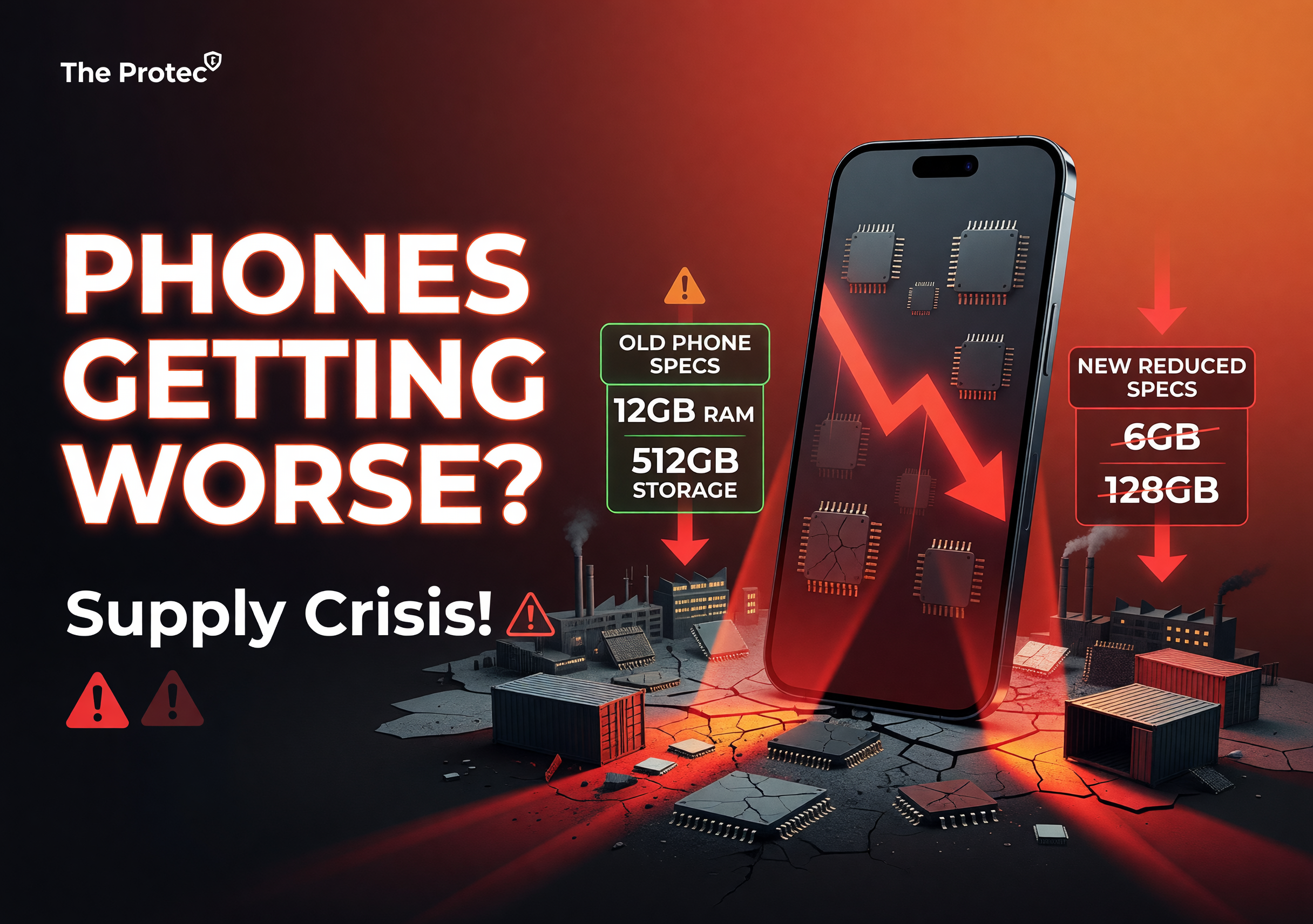
Smartphone users have grown accustomed to an annual surge in device specifications, with RAM and storage capacities steadily increasing year after year. However, recent industry signals suggest a possible shift. Rather than continuing the upward trend, smartphones might soon face constraints that lead to lower RAM and storage offerings. This unexpected reversal stems from complex supply chain pressures combined with evolving hardware cost trends, creating significant challenges for manufacturers and consumers alike.
The Current Landscape of Smartphone RAM and Storage
For over a decade, the mobile industry has witnessed consistent growth in mobile specs, particularly in RAM and on-board storage metrics. Flagship devices routinely boast 12GB to 16GB of RAM and 256GB or more of storage, while mid-range phones have scaled up from 4GB RAM and 64GB storage to much higher baselines. This escalation is driven by intensive app demands, gaming, multitasking, and multimedia storage.
Yet, this steady gain depends on smooth supply chains and manageable hardware costs. The global semiconductor and component supply chains have recently faced considerable disruptions, signaling immediate risks to this trend.
Smartphone RAM Shortage: Root Causes and Industry Impact
RAM production has notably tightened due to a variety of factors. The past few years overcame pandemic-related shutdowns and surging demand, but now confront fresh obstacles:
- Raw Material Scarcity: Critical materials like hafnium and copper, integral for DRAM manufacturing, suffer from limited mining output and geopolitical restrictions.
- Manufacturing Capacity Constraints: Leading memory chip producers face capacity bottlenecks due to high capital expenditure requirements and slow ramp-up of cutting-edge fabrication lines.
- Geopolitical Tensions: Export controls and trade restrictions, particularly affecting China-based supply chains, have further tightened availability.
These elements combine to create a smartphone RAM shortage, resulting in increased prices and prioritization for premium devices. Manufacturers may be forced to reduce memory allocations in lower-tier products to manage costs.
Hardware Cost Trends Amplifying Specification Adjustments
The smartphone industry’s cost structure is sectioned across multiple components, but RAM and storage have become increasingly expensive relative to others. Key contributors include:
- Elevated DRAM and Flash Memory Prices: Due to the shortage, market prices for these components have surged by up to 20-30% compared to prior years.
- Inflation and Energy Costs: Rising operational expenses for chip fabs translate into higher per-unit costs.
- Currency Fluctuations: Weaker local currencies in manufacturing hubs increase dollar-denominated component costs.
This cost escalation restricts how much manufacturers can invest in premium hardware specs without significantly raising retail prices, which risks consumer pushback in a competitive market.
Supply Chain Pressures Beyond Components
Supply chain struggles extend outside the semiconductor realm, impacting the smartphone production ecosystem at large:
- Logistics and Freight Delays: Port congestions and shipping cost volatility increase delivery times and expenses.
- Labor Shortages: Skilled labor scarcity in manufacturing regions slows assembly lines and quality control processes.
- Inventory Management Challenges: Unpredictable demand fluctuations force tighter component allocations and cautious stockpiling.
All these factors culminate in manufacturers evaluating trade-offs between device specs and production feasibility, often opting for reduced RAM or storage to meet budgets and deadlines.
How Might Mobile Specs Evolve Amid These Challenges?
Given these constraints, the near-future devices may reflect notable specification adjustments:
- Normalized RAM Capacities: Instead of rapid RAM increases, expect a plateau or small decreases in base models, with focus shifting to optimization of software and memory management.
- Reduced Storage Tiers: Entry-level smartphones might decrease minimum storage from 128GB back toward 64GB, balancing affordability and performance.
- Greater Emphasis on Cloud and Hybrid Storage: Manufacturers could encourage cloud solutions or external storage options to mitigate onboard limitations.
These changes might initially disappoint tech enthusiasts but could usher in a renewed approach on how mobile specs translate to user experience.
Impact on Pricing and Consumer Experience
As hardware cost trends push component prices upwards, smartphone retail pricing strategies face pressure. Companies might respond by:
- Maintaining Price Points With Lower Specs: To avoid alienating budget-conscious buyers, companies might hold device prices steady but reduce RAM and storage.
- Increasing Prices for Premium Features: Flagship devices with higher RAM and storage might command premium prices to cover component cost hikes.
- Innovating Software Optimization: Brands could improve software efficiency to deliver better multitasking and storage management on lower-spec devices.
While delaying or reversing upgrades in mobile specs might feel like a regression, it offers a pragmatic balance between affordability and performance under current market conditions.
Industry Strategies to Mitigate RAM and Storage Shortages
Manufacturers and component suppliers are exploring several avenues to ease supply constraints and stabilize pricing:
- Diversifying Supply Sources: Expanding contracts beyond traditional suppliers to alternative fabs and mining operations worldwide.
- Investing in Emerging Memory Technologies: Developing new memory types that use less rare materials or cost less, such as MRAM or next-gen embedded storage.
- Enhancing Recycling and Reuse: Circular economy efforts to recover usable materials from end-of-life devices help reduce dependency on fresh raw materials.
- Collaborative Industry Forecasting: Improving demand forecasting to better align production capacity and inventory levels.
These long-term efforts aim to restore or even surpass past trends in mobile specs once supply chains stabilize.
Conclusion
The smartphone RAM shortage and associated hardware cost trends are set to influence mobile specs and device pricing profoundly. Supply chain pressures, spanning raw materials, manufacturing, and logistics, restrict component availability and elevate costs. This environment may drive manufacturers to reduce RAM and storage components in upcoming models to sustain market competitiveness. While such adjustments might feel like a step backward, they represent a necessary stride to navigate complex global challenges. Observing how brands adapt could provide insights into the future balance between hardware innovation and economic realities within the mobile industry.
Frequently Asked Questions
What is causing the smartphone RAM shortage?
The shortage results from limited raw materials, capacity bottlenecks in chip manufacturing, and geopolitical trade restrictions that reduce the global supply of DRAM needed for smartphones.
How do hardware cost trends affect smartphone specifications?
As component costs rise especially for RAM and flash storage manufacturers face higher production expenses. To manage pricing, they might opt to lower RAM and storage capacities on certain device tiers.
Will declining RAM and storage affect smartphone performance?
Potentially, but manufacturers can offset this through improved software optimization, memory management techniques, and increased use of cloud storage to maintain a smooth user experience despite hardware limitations.
For more details on semiconductor supply chain impacts, see Semiconductor Industry Association reports.