








Contents
Introduction
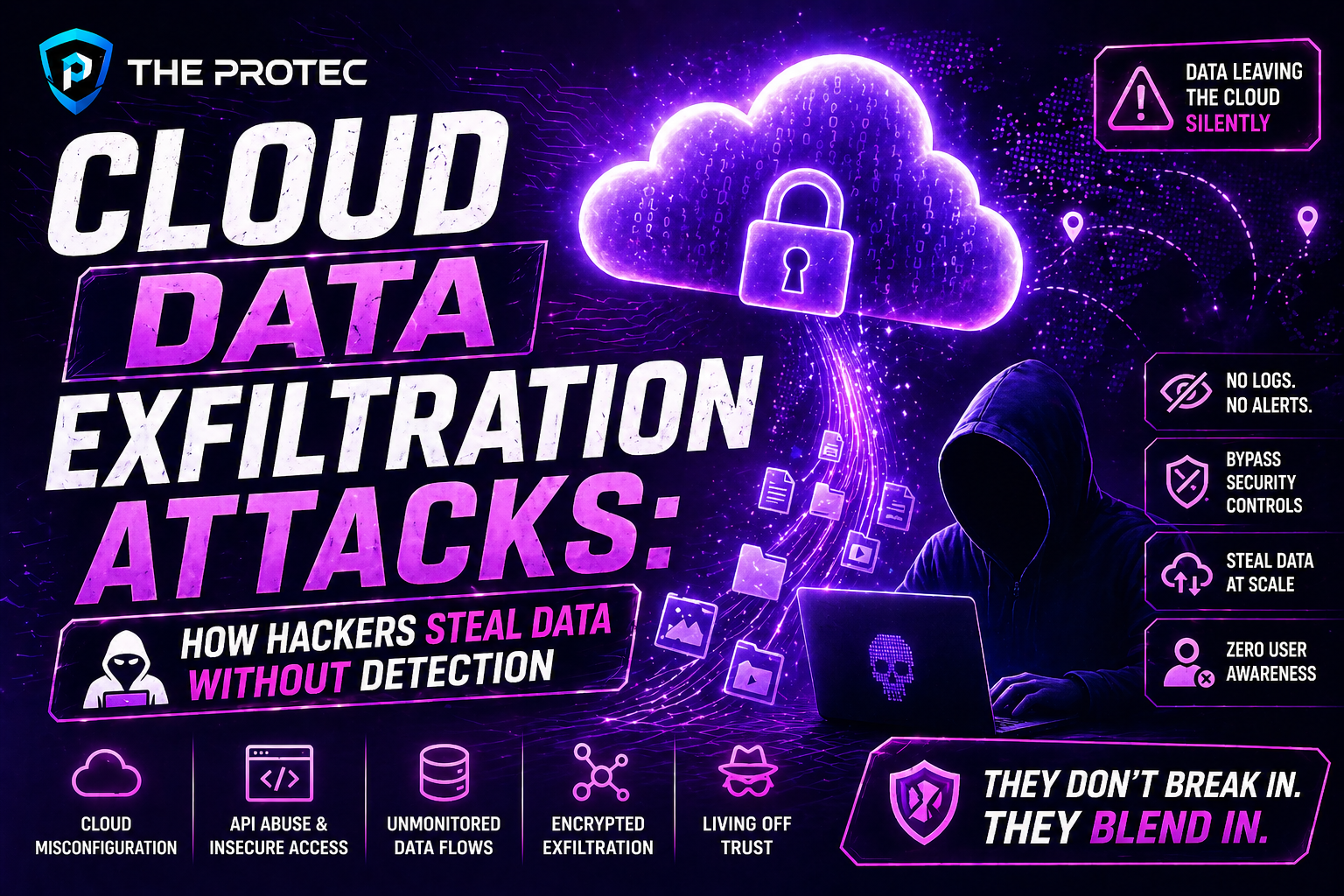
In today’s cloud-first world, organizations increasingly rely on cloud services to store and manage critical data. While cloud computing offers unparalleled scalability and flexibility, it has also become a lucrative target for cybercriminals. Among the most insidious threats is cloud data exfiltration, a type of cyberattack where sensitive data is stealthily extracted from cloud environments without detection. Unlike traditional breaches, data exfiltration attacks are often carefully orchestrated to avoid raising alarms, making them complex and dangerous.
This article delves into the latest real-world cloud data exfiltration techniques, explores common vulnerabilities exploited by hackers, and outlines robust prevention strategies vital for modern security frameworks. By understanding these tactics, organizations can enhance their data leak prevention measures and protect cloud assets from sophisticated threats.
Understanding Cloud Data Exfiltration
Data exfiltration in cloud environments refers to the unauthorized transfer of data from a cloud system to an external, unauthorized destination. Hackers who successfully perform exfiltration gain access to confidential information, intellectual property, or personal data, often going undetected for long periods.
Cloud data exfiltration differs from on-premises breaches because of the shared responsibility model and the unique architecture of cloud platforms. Traditional network perimeter defenses are less effective in cloud scenarios, making it crucial for organizations to adopt cloud-specific monitoring and prevention methods.
Why Cloud Data Exfiltration is Hard to Detect
- Encrypted Channels: Attackers often utilize encrypted communication protocols that blend with legitimate traffic, making detection through packet inspection challenging.
- Permission Abuse: Exploiting legitimate access permissions enables attackers to access and export data without triggering conventional security alerts.
- Use of Cloud APIs: Hackers manipulate cloud provider APIs to move data, taking advantage of trusted, internal pathways within cloud architectures.
- Low-and-Slow Attacks: Gradual extraction strategies avoid volume-based anomaly detection by trickling data out over time.
Real-World Cloud Data Exfiltration Techniques
Attackers have refined their methods for infiltrating and extracting data from cloud platforms. Below are several techniques observed in recent incidents that reflect evolving hacker sophistication.
1. Compromise of Cloud Accounts and Credentials
One of the simplest but effective methods involves stealing or phishing credentials for cloud user accounts, administrators, or service principals. Once inside, attackers can leverage valid accounts to bypass security controls.
- Credential stuffing: Automated tools test leaked passwords against cloud service accounts.
- Phishing campaigns: Targeted messages trick users into revealing login details tied to cloud resources.
After gaining access, attackers often escalate privileges to access sensitive data repositories and export information unnoticed.
2. Exploiting Misconfigured Cloud Storage
Cloud misconfigurations remain one of the biggest vulnerabilities. Publicly exposed storage buckets or improperly configured access controls can provide attackers direct entry to large datasets.
- Misconfigured AWS S3 buckets with public read/write permissions are prime targets.
- Open Google Cloud Storage or Azure Blob containers can leak data if not secured correctly.
Attackers utilize automated scanning tools to discover such exposures rapidly and download sensitive content.
3. Abuse of Identity and Access Management (IAM) Policies
Cloud services implement granular IAM controls to manage access. However, overly permissive or misconfigured IAM policies can be abused to grant attackers excessive privileges.
- Exploiting roles with ‘data read’ permissions to export data programmatically.
- Using service accounts to automate exfiltration without manual intervention.
This technique allows stealthy data transfers through legitimate, authenticated sessions, complicating detection.
4. Leveraging Cloud APIs for Data Extraction
Cloud providers expose APIs for seamless management and orchestration. Attackers hijack these APIs to extract data, especially when API keys or tokens are compromised.
- Automated scripts using stolen API keys enable bulk downloads of files and records.
- APIs facilitate package-level data integration, which attackers mimic to blend exfiltration with normal workflows.
Monitoring API usage patterns is critical to uncover suspicious activity.
5. Utilizing Steganography and Data Obfuscation
To evade content-based detection systems, attackers sometimes hide stolen data within innocent-looking files or encrypt it before exfiltration.
- Embedding data inside images or documents that align with corporate file types.
- Using encryption techniques so that intercepted data lacks readable content during transfer.
Key Prevention Strategies Against Cloud Data Exfiltration
Given the stealth and sophistication of these attacks, organizations must adopt a multi-layered defense approach focused on visibility, control, and response.
Implement Strong Identity and Access Management
Ensure that IAM policies follow least privilege principles and implement conditional access policies.
- Multi-Factor Authentication (MFA): Enforce MFA on all privileged accounts to prevent credential misuse.
- Role-Based Access Control: Restrict users to only necessary cloud resources and regularly audit permissions.
- Privileged Access Workstations: Isolate admin access to reduce risk of credential compromise.
Continuous Cloud Security Monitoring and Anomaly Detection
Leverage cloud-native monitoring tools alongside advanced security information and event management (SIEM) systems to detect unusual behavior:
- Monitor API calls and unusual data download volumes.
- Detect anomalies in user behavior such as access outside typical hours or from new locations.
- Analyze network traffic patterns for encrypted exfiltration attempts.
Regularly Audit Cloud Storage and Configuration
Misconfigurations remain a primary cause of cloud breaches. Regular automated audits can find exposed buckets and erroneous permissions:
- Implement continuous compliance tools that scan configurations against known best practices.
- Use automated alerts to flag changes that may expose sensitive data publicly.
Data Leak Prevention (DLP) Solutions Tuned for the Cloud
DLP solutions capable of inspecting cloud traffic and data exchanges are essential:
- Content inspection of data leaving cloud workloads and storage.
- Policy enforcement preventing unauthorized data transfers.
- Encryption enforcement and shadow IT detection.
Secure API Keys and Tokens
API keys and tokens must be protected and rotated regularly:
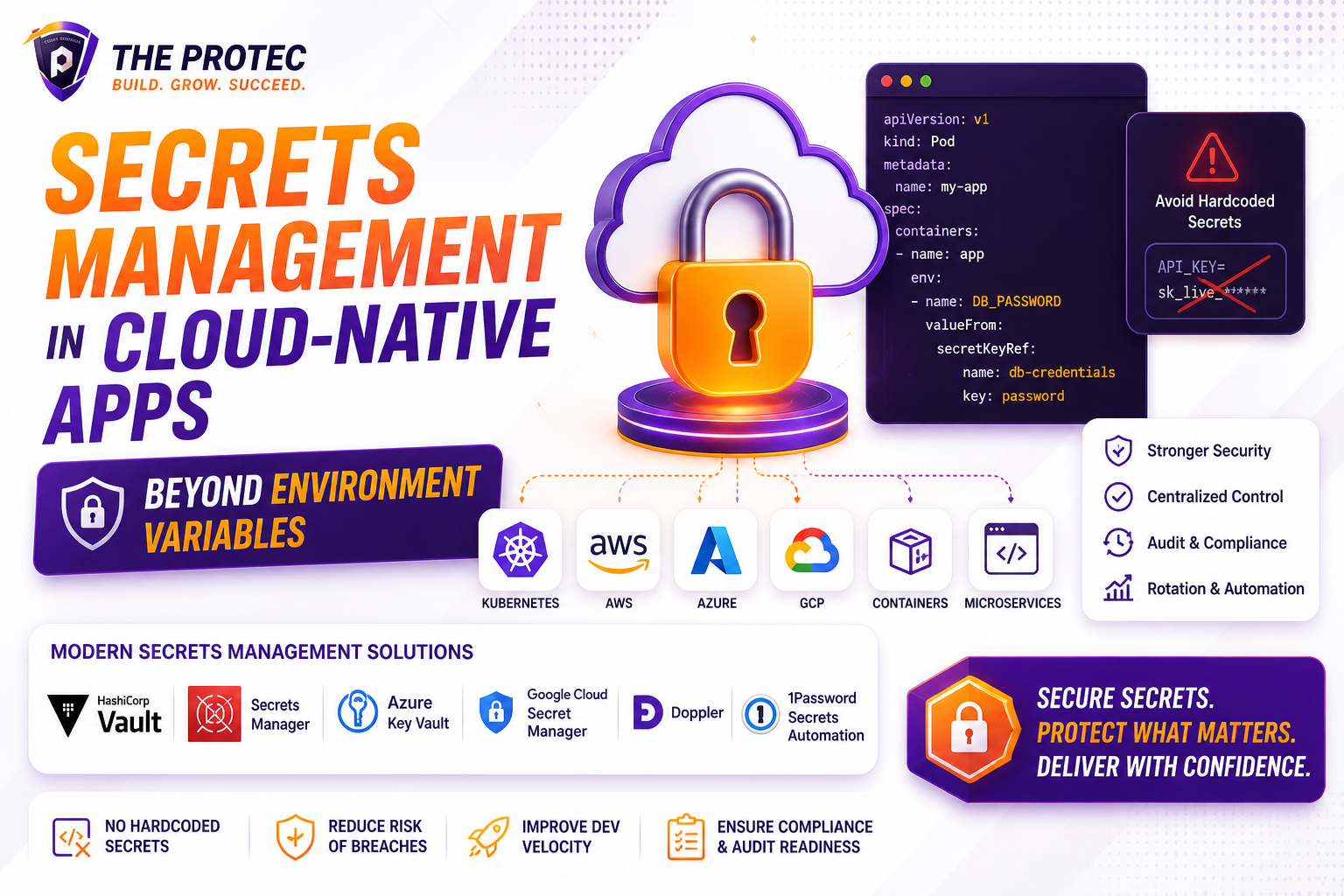
- Store secrets in secure vaults with strict access policies.
- Implement usage quotas and monitor key usage for irregular patterns.
Emerging Trends in Cloud Data Exfiltration
As cloud environments grow more complex, attackers innovate tactics, such as:
- AI-Powered Exfiltration: Hackers use AI algorithms to mimic legitimate user behavior, making detection harder.
- Supply Chain Attacks: Compromising third-party cloud services or vendors to indirectly access sensitive data.
- Use of Zero Trust Architectures: While Zero Trust models improve security, attackers adapt by compromising trust brokers or identity providers.
Frequently Asked Questions (FAQ)
What is the difference between data exfiltration and data breach?
A data breach broadly refers to any unauthorized access to data or systems. Data exfiltration specifically involves the unauthorized transfer or theft of data out of a network or system. All data exfiltrations are breaches, but not all breaches involve exfiltration.
How can organizations detect cloud data exfiltration early?
Early detection relies on continuous monitoring of cloud activities, anomaly detection for unusual access or large data transfers, strict IAM controls, and implementing data leak prevention tools designed for cloud environments.
Are traditional on-premises security tools enough to prevent cloud data exfiltration?
Traditional tools often lack visibility into cloud-native services and APIs. Organizations need cloud-focused security solutions that integrate with cloud platforms to monitor and control data flows effectively.
Conclusion
Cloud data exfiltration attacks are evolving with increasing subtlety and complexity, leveraging the unique architectures and interconnected systems of modern cloud platforms. Hackers exploit misconfigurations, stolen credentials, and trusted APIs to stealthily steal sensitive data while evading traditional defenses.
To safeguard their digital assets, organizations must combine rigorous identity and access management, continuous monitoring, automated cloud configuration audits, and specialized data leak prevention tools. Staying informed of emerging attacker behaviors and adapting security strategies accordingly remains critical in the relentless fight against cloud breaches.
For further reading on cloud security best practices and threat intelligence, visit the Cloud Security Alliance, an excellent resource dedicated to cloud security standards and education.