








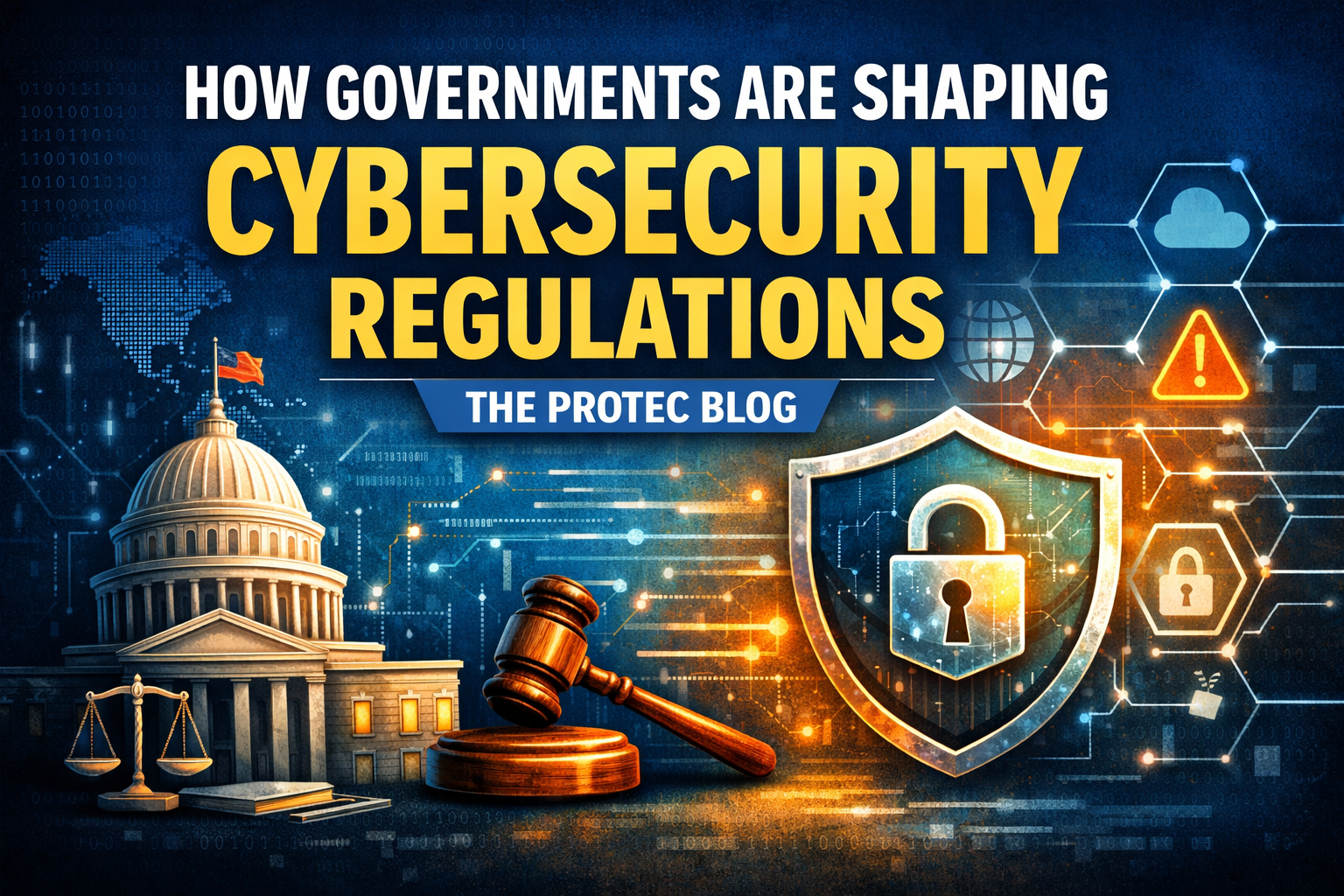
Cybersecurity is no longer just a concern for IT teams—it has become a global priority. In 2026, governments around the world are actively shaping cybersecurity regulations to protect businesses, individuals, and critical infrastructure from rising digital threats.
With the increase in cyber attacks, data breaches, and AI-powered threats, regulatory frameworks are evolving rapidly. Businesses must now adapt to strict compliance standards or risk facing heavy penalties and reputational damage.
Why Governments Are Focusing on Cybersecurity
The digital economy is expanding faster than ever, and with it comes increased risk. Governments are stepping in to:
- Protect sensitive user data
- Prevent cybercrime and financial fraud
- Secure national infrastructure
- Ensure business accountability
Cybersecurity is now seen as a matter of national security, not just a technical issue.
Key Cybersecurity Regulations Around the World
1. Data Protection Laws
Countries are implementing strict data privacy laws that require organizations to handle customer data responsibly. These laws focus on transparency, consent, and data security.
2. Mandatory Breach Reporting
Organizations are now required to report cyber incidents within a specific timeframe. This ensures faster response and minimizes damage.
3. Critical Infrastructure Protection
Governments are enforcing stricter cybersecurity measures for sectors like energy, healthcare, and finance to prevent large-scale disruptions.
4. AI and Cybersecurity Regulations
With the rise of artificial intelligence, new regulations are being introduced to control AI usage in cyber activities and prevent misuse.
How These Regulations Impact Businesses
Modern cybersecurity laws directly affect how businesses operate. Companies must now:
- Implement strong security systems
- Maintain proper data handling policies
- Conduct regular security audits
- Train employees on cybersecurity awareness
Failure to comply can result in heavy fines, legal consequences, and loss of customer trust.
Cybersecurity Compliance: What Businesses Should Do
To stay compliant and secure, businesses should follow these best practices:
1. Adopt a Security-First Approach
Make cybersecurity a core part of your business strategy rather than an afterthought.
2. Stay Updated with Regulations
Cyber laws are constantly evolving. Businesses must stay informed about local and international compliance requirements.
3. Use Advanced Security Tools
Leverage AI-based security systems to detect and prevent threats in real-time.
4. Conduct Regular Audits
Identify vulnerabilities and fix them before they are exploited by attackers.
5. Train Your Workforce
Human error is one of the biggest security risks. Educating employees can significantly reduce threats.
The Future of Cybersecurity Regulations
As cyber threats continue to evolve, governments will introduce even stricter regulations. Future trends may include:
- Global cybersecurity standards
- Stronger AI governance laws
- Increased penalties for non-compliance
- Greater focus on data privacy rights
Businesses that adapt early will have a competitive advantage in the digital landscape.
Conclusion
Governments play a crucial role in shaping the future of cybersecurity. Their regulations are designed to create a safer digital environment, but they also bring new responsibilities for businesses.
To succeed in 2026 and beyond, organizations must prioritize cybersecurity, stay compliant with evolving laws, and invest in advanced protection systems.
Cybersecurity is no longer optional—it’s essential.