








Contents
- 1 Introduction: The Growing Impact of AI in Business
- 2 Key AI Trends Shaping Business in 2026
- 3 Practical Applications of AI in Business Operations
- 4 Strategic Considerations for Implementing AI Successfully
- 5 Challenges and How to Overcome Them
- 6 Frequently Asked Questions (FAQ)
- 7 Conclusion: Embracing AI as a Business Imperative
Introduction: The Growing Impact of AI in Business
Artificial Intelligence (AI) technology has moved past experimental stages to become a cornerstone of modern business practices in 2026. Companies of all sizes are incorporating AI to optimize operations, enhance customer experiences, and fuel innovation. This evolution reflects how AI is no longer a futuristic concept but a current business imperative shaping strategies and outcomes.
From automated decision-making to intelligent data analysis, AI’s incorporation into business workflows is driving efficiency, reducing human error, and opening new avenues for growth. This article dives into the most important trends in AI adoption within business, practical applications to implement today, and strategic insights for organizations aiming to thrive in this AI-driven landscape.
Key AI Trends Shaping Business in 2026
1. Hyper-Personalization Using AI
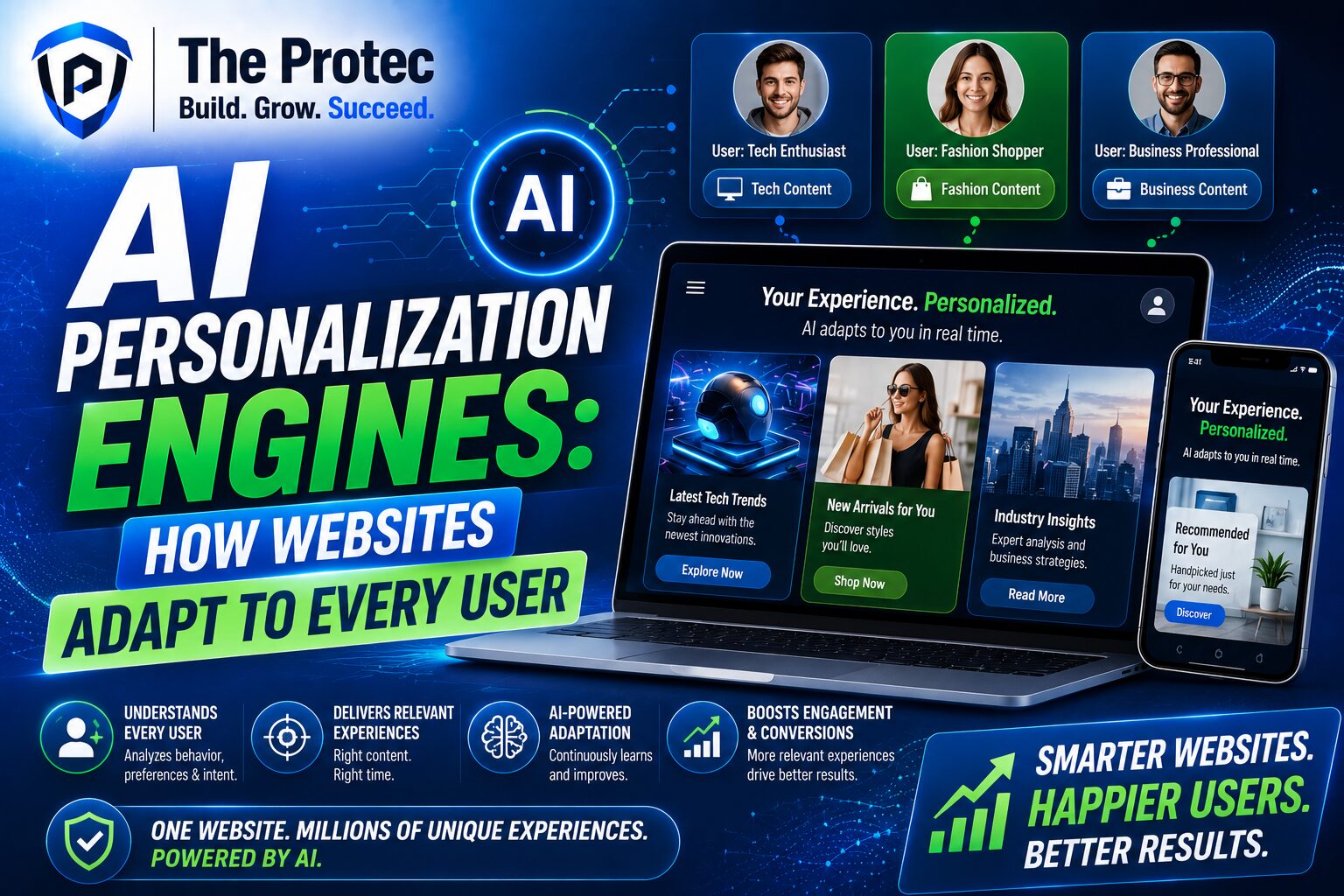
Businesses in 2026 are leveraging AI to deliver hyper-personalized experiences at scale. Advanced generative AI models and customer data analytics enable companies to tailor marketing content, product recommendations, and services to individual preferences in real time. This level of personalization drives conversion rates, nurtures customer loyalty, and improves lifetime value.
2. Autonomous Business Processes
Automation has evolved dramatically from simple robotic process automation to fully autonomous workflows. AI systems now handle complex tasks such as dynamic supply chain management, predictive inventory control, and real-time financial reconciliation with minimal human intervention. This shift reduces operational costs and accelerates business agility.
3. AI-Driven Decision Intelligence
Decision-making augmented by AI analytics platforms is a critical trend. AI synthesizes data from diverse sources: market trends, customer behavior, and internal operations to provide actionable insights. Business leaders increasingly rely on AI recommendations and scenario simulations to reduce risks and identify high-impact opportunities.
4. Evolution of Generative AI Applications
Generative AI capabilities have expanded beyond content creation to include product design, prototype development, and even strategic planning support. Companies integrate AI-generated ideas and assets into their R&D processes, drastically shortening time-to-market for new products and innovations.
5. Ethical AI and Responsible Automation
With wider AI adoption, ethical considerations and regulatory compliance have become top priorities. Businesses invest in transparent AI systems that mitigate bias, protect privacy, and ensure accountability. Ethical AI governance frameworks are not only compliance tools but also build brand trust and customer confidence.
Practical Applications of AI in Business Operations
Enhanced Customer Support with Conversational AI
Conversational AI platforms, including AI chatbots and voice assistants, have reached unprecedented sophistication by 2026. They provide 24/7 customer support, resolving inquiries rapidly while escalating complex issues to human agents. This hybrid approach improves user satisfaction and reduces operational overhead.
Optimizing Marketing Campaigns Through Predictive Analytics
Marketers are utilizing AI-powered predictive analytics tools to forecast campaign outcomes, segment audiences precisely, and allocate budgets dynamically. By analyzing historical and real-time data, AI identifies the highest ROI strategies, improving efficiency across digital marketing channels.
Streamlined Supply Chain and Inventory Management
AI-driven supply chain platforms predict demand fluctuations and optimize logistics proactively. Through continuous learning, these systems minimize stockouts and excess inventory, enhance supplier negotiation, and reduce carbon footprint by optimizing delivery routes.
Human Resources and Talent Management Automation
AI transforms talent acquisition by scanning resumes, evaluating candidate fit through natural language processing, and analyzing cultural compatibility. Additionally, employee engagement platforms utilize AI to monitor satisfaction and predict retention risks, enabling proactive human resource strategies.
Financial Risk Assessment and Fraud Detection
In finance, AI analyzes transaction patterns and audit logs to identify fraud, money laundering, and cybersecurity threats in real time. Risk assessment models deliver more accurate predictions, fostering safer and more compliant financial operations.
Strategic Considerations for Implementing AI Successfully
Align AI Initiatives With Business Objectives
To maximize AI’s impact, businesses must align AI projects with overarching goals—whether improving customer experience, reducing costs, or accelerating innovation. Clear alignment ensures resource optimization and measurable results.
Develop Data Infrastructure and Governance
Robust data infrastructure underpins effective AI deployment. Companies need comprehensive data collection, cleaning, and management protocols, alongside strict governance policies for privacy and security. This foundation enables high-quality AI insights.
Invest in Talent and Cross-Functional Collaboration
Successful AI adoption requires not just technology but people who understand AI’s capabilities and limits. Investing in upskilling existing staff and recruiting AI specialists fosters collaboration across IT, operations, and business units.
Implement Continuous Monitoring and Improvement
AI systems are dynamic and should be continuously monitored for performance, fairness, and compliance. Iterative improvement cycles help address model drift, bias, and evolving business environments to keep AI effective and ethical.
Challenges and How to Overcome Them
Data Privacy Concerns
Businesses face increasing scrutiny on data privacy. Transparent data usage policies, anonymization techniques, and compliance with global regulations like GDPR and CCPA are essential to build trust and avoid penalties.
Integration Complexity with Legacy Systems
Integrating AI with existing legacy systems can be complex and costly. Prioritizing modular AI solutions and investing in APIs or middleware platforms helps ease integration and enhances scalability.
Addressing Bias and Ensuring Ethical AI
Bias in AI models can reinforce inequalities and damage reputation. Engaging diverse teams in AI development, conducting bias audits, and applying fairness algorithms mitigate risks and promote responsible AI use.
Frequently Asked Questions (FAQ)
1. What are the most promising AI applications for small businesses in 2026?
Small businesses benefit greatly from AI-powered CRM systems, automated marketing tools, chatbots for customer support, and inventory management solutions. These applications improve efficiency and customer engagement without the need for extensive in-house AI expertise.
2. How can companies measure the ROI of their AI investments?
ROI can be measured through indicators such as increased revenue, cost savings, improved customer satisfaction scores, reduced error rates, and faster time-to-market for products. Establishing clear KPIs before AI implementation is crucial.
3. How does AI impact workforce dynamics in businesses?
AI automates repetitive tasks but also creates demand for new roles like AI specialists and data analysts. It encourages workforce upskilling and reallocates human resources toward strategy, creativity, and complex problem-solving, enhancing overall productivity.
Conclusion: Embracing AI as a Business Imperative
Artificial intelligence in 2026 is a transformative force across industries, driving smarter decision-making, operational excellence, and unprecedented personalization. Businesses that strategically integrate AI with robust data governance and ethical frameworks position themselves to unlock sustained competitive advantage. As AI continues to evolve, continuously adapting AI strategies and empowering teams will be critical to thrive in an increasingly automated and intelligent business environment.