








Contents
Introduction
As web applications grow increasingly sophisticated and user expectations rise for seamless experiences, the infrastructure choices behind these apps have become more critical than ever. Two dominant architectures, edge computing and cloud computing, offer different approaches to data processing, scalability, and latency reduction. But which one truly empowers modern web apps? This article delves into the essential differences between edge computing and cloud computing, their real-world applications, and the performance impact they have on today’s demanding web environments.
Understanding Cloud Computing Architecture
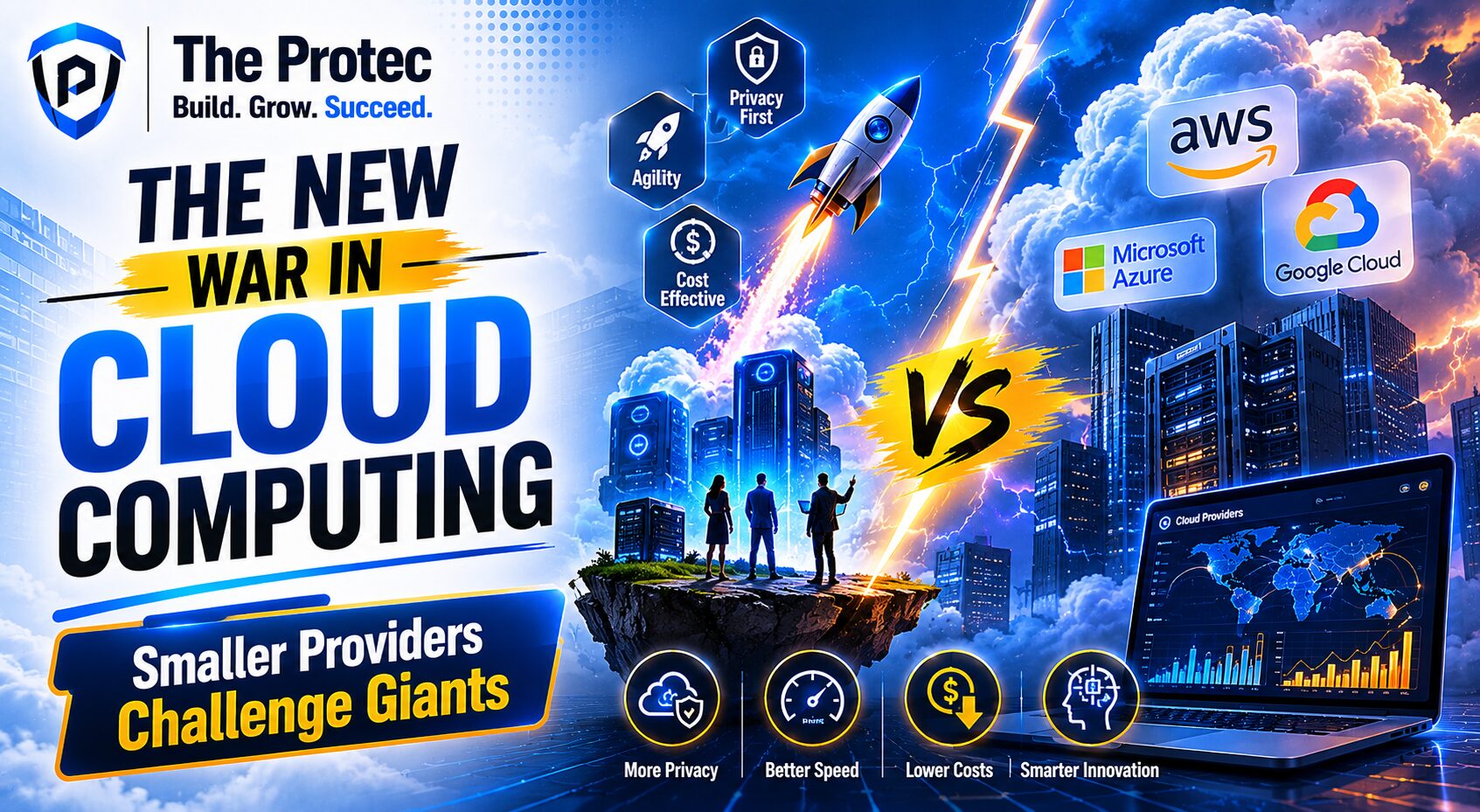
Cloud computing is the backbone of modern online services. It centralizes data storage and processing in massive data centers operated by cloud providers such as Amazon Web Services (AWS), Microsoft Azure, and Google Cloud Platform (GCP). Web apps connect to these data centers over the internet to access computing power and resources.
Key Features of Cloud Computing
- Centralized Infrastructure: Data and applications reside in large-scale data centers, which simplifies management and scalability.
- On-Demand Resources: Elastic scalability allows resources to adjust dynamically based on application demand.
- Broad Network Reach: Cloud providers offer global data centers, enabling geographic redundancy and disaster recovery.
- Cost Efficiency: Pay-as-you-go models reduce upfront infrastructure investments for businesses.
Use Cases of Cloud Computing in Web Apps
Cloud computing suits large applications requiring massive scalability, high availability, and centralized control. Examples include:
- Social Media Platforms: These platforms store vast user data and deliver content rapidly worldwide using centralized cloud services.
- Enterprise SaaS Solutions: Businesses rely on cloud-hosted productivity suites, CRM systems, and collaboration tools.
- E-commerce Sites: They benefit from cloud elasticity during high-traffic events like flash sales or seasonal spikes.
What is Edge Computing?
Edge computing shifts data processing closer to the source of data generation — typically near or at the network edge. This decentralized approach reduces the need to send data back and forth to central cloud data centers, thereby lowering latency and bandwidth use.
Key Features of Edge Computing
- Proximity: Computing resources (edge nodes) are placed physically closer to end-users or IoT devices.
- Real-time Processing: Immediate data analysis and responses happen locally, crucial for latency-sensitive applications.
- Bandwidth Optimization: Reduces bandwidth consumption by limiting excessive data transmission to central servers.
- Enhanced Privacy: Local data handling can reduce the exposure of sensitive information traveling over networks.
Use Cases of Edge Computing in Web Apps
Edge computing excels where low latency and real-time insights are critical. Common scenarios include:
- Augmented Reality (AR) and Virtual Reality (VR): Requires real-time rendering and processing close to users to avoid motion lag.
- IoT-Driven Smart Cities: Local computing nodes manage traffic sensors, surveillance, and environmental monitoring data.
- Online Gaming: Edge nodes reduce lag by processing player inputs closer geographically.
- Content Delivery Networks (CDNs): Cache content near users to speed up website load times.
Architectural Comparison: Edge vs Cloud Computing
While both architectures involve distributed computing concepts, they cater to different operational priorities.
Latency and Performance
Cloud computing’s centralized nature introduces latency as data travels between user devices and distant cloud data centers. For many web apps, this delay may be acceptable. However, in applications where milliseconds count—like financial trading platforms and AR/VR experiences—edge computing’s proximity advantage dramatically cuts latency.
Scalability and Resource Management
Cloud platforms reign supreme here with virtually unlimited, on-demand scaling capabilities. Edge computing resources are typically more constrained, consisting of smaller, dispersed nodes. Although advancements in edge orchestration and AI-driven resource allocation are helping edge to scale more effectively, cloud remains the go-to for heavy workloads requiring flexible resource pools.
Security Considerations
Cloud providers continuously enhance security controls at scale, offering robust protections such as encryption, identity management, and compliance certifications. Conversely, edge deployments can be more vulnerable due to the distributed and physically accessible nature of edge nodes. That said, local data processing at the edge can reduce the risk of data breaches in transit.
Cost Dynamics
Cloud computing offers clear pricing models based on usage, but heavy bandwidth usage and data egress fees can increase costs. Edge computing helps control costs by reducing data transfer volumes and improving response efficiency, though initial deployment and maintenance of numerous edge devices can be expensive.
Performance Impact on Modern Web Applications
User experience hinges on application responsiveness and reliability, areas directly influenced by the choice between edge and cloud computing.
Latency-Sensitive Applications
Applications such as real-time collaboration tools, live streaming, and interactive gaming benefit greatly from edge computing. Distributing compute resources close to users reduces delay spikes and jitter, enhancing interactivity.
Data-Intensive Applications
Cloud computing suits apps that handle massive data sets, such as big data analytics, AI model training, and multi-tenant SaaS platforms. Centralized processing simplifies data aggregation and complex computations, which may be impractical at the edge.
Hybrid Architectures: The Best of Both Worlds
Increasingly, companies adopt hybrid architectures combining cloud with edge to optimize performance. For example, an IoT-based web app might perform initial sensor data filtering and decision-making at the edge, then send summarized results to the cloud for long-term storage and advanced analytics. This approach balances latency, bandwidth efficiency, and scalability.
Real-World Use Cases Illustrating the Choice
Example 1: Netflix
Netflix uses a hybrid model where its cloud services manage content storage and recommendation algorithms, while a robust CDN delivers streaming content from edge nodes near users. This ensures high availability and smooth playback worldwide.
Example 2: Tesla’s Autopilot
Tesla’s vehicle software processes critical sensor data locally using edge computing principles to provide immediate responses for driving functions. Meanwhile, cloud services support data aggregation and continuous software updates.
Example 3: E-commerce Platforms During Peak Sales
E-commerce giants rely on cloud scalability to manage unpredictable traffic surges. Simultaneously, edge CDN nodes cache product images and site assets close to shoppers globally, reducing page load times and improving conversions.
FAQs
Q1: Can edge computing replace cloud computing?
No, edge computing complements rather than replaces cloud computing. Each serves distinct purposes — edge reduces latency and bandwidth by processing locally, while cloud offers massive scalability and centralized management.
Q2: What factors determine whether to use edge or cloud computing for a web app?
Key factors include latency requirements, data volume, processing complexity, cost constraints, and security needs. Applications demanding real-time responses typically benefit from edge, whereas those needing high compute power and scalability lean on cloud.
Q3: Is it difficult to maintain an edge computing infrastructure compared to cloud?
Yes, managing a distributed edge network can be more complex due to decentralized hardware, diverse locations, and potential security exposure. Cloud computing centralizes maintenance, easing operational complexity.
Conclusion
Choosing between edge computing and cloud computing is not a binary decision for modern web app developers. Instead, understanding the strengths and limitations of each architecture helps build optimized, high-performance applications tailored to specific user needs and business goals. While cloud computing continues to power the scalability and data-centric side of web apps, edge computing drives innovation in latency-critical, real-time experiences. The future lies in seamlessly integrating both architectures to unlock the best possible performance and user experience.