








Contents
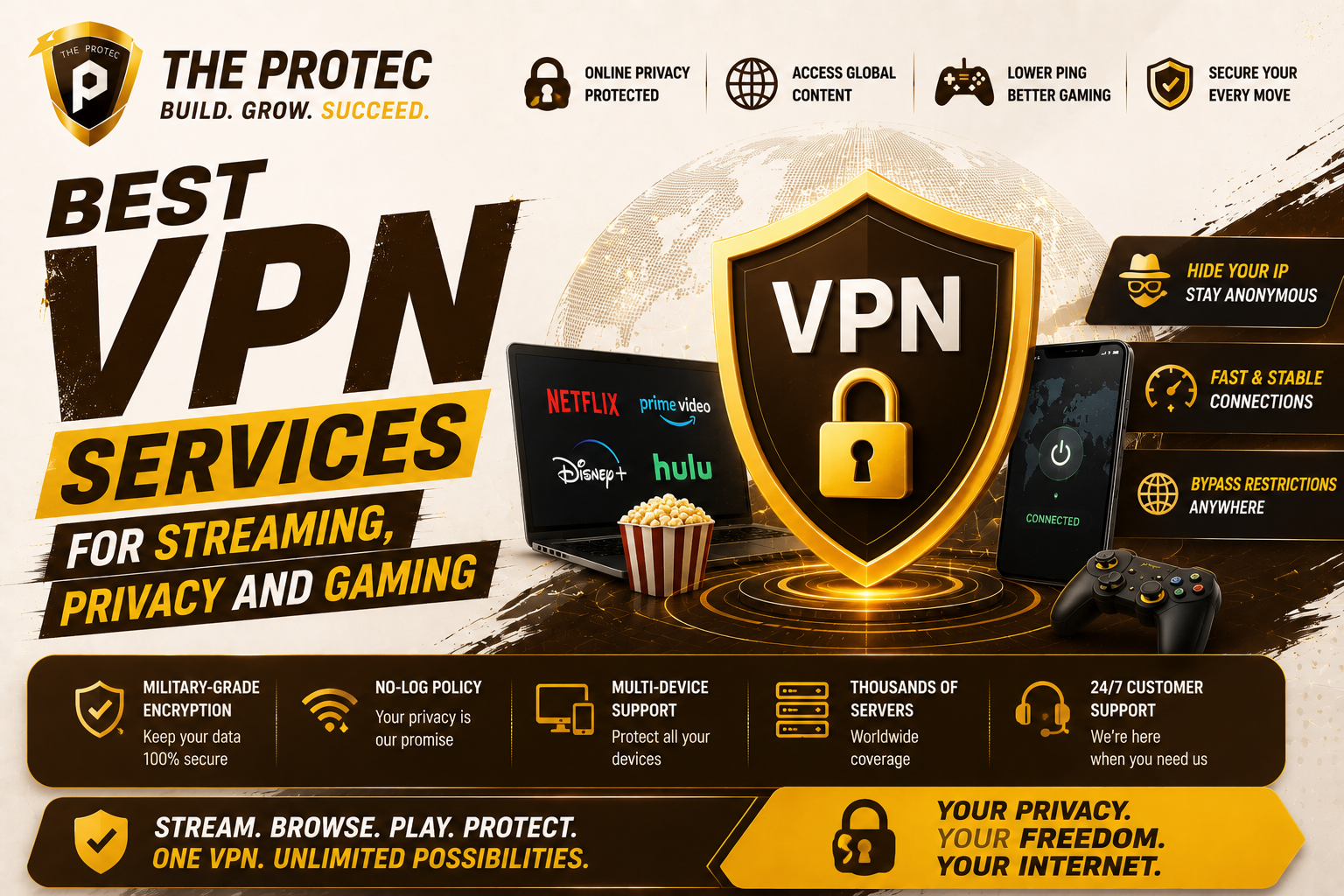
- 1 Best VPN Services for Streaming, Privacy and Gaming
- 2 What makes the best VPN stand out now
- 3 How we evaluate streaming VPN services
- 4 What privacy policies actually matter
- 5 Why speed matters more than ever for gaming
- 6 Top features to look for in the best VPN 2026
- 7 Comparing use cases: streaming, privacy, and gaming
- 8 Performance trends shaping VPN use now
- 9 How to choose the right VPN for your needs
- 10 Practical tips for getting the best results
- 11 External resources worth checking
- 12 FAQ
- 13 Final thoughts
Best VPN Services for Streaming, Privacy and Gaming
Choosing the best VPN is no longer just about hiding your IP address. In 2026, people want a service that can do three difficult things at once: unlock global streaming catalogs, protect privacy with a trustworthy policy, and keep latency low enough for gaming. That combination is harder to find than it used to be. Streaming platforms keep tightening detection, VPN providers keep expanding server networks, and games have become more sensitive to ping spikes, packet loss, and jitter.
If you are shopping for the best VPN 2026 has to offer, the real question is not whether a service works, but how well it works under pressure. Some VPNs are excellent at privacy but too slow for 4K streaming or competitive gaming. Others are fast but lack the policy transparency privacy-conscious users expect. The strongest streaming VPN services now balance all three priorities with modern protocols, large server fleets, and clearer no-logs practices.
In this guide, we compare what matters most: speed, privacy policies, and streaming performance. We also explain what makes a VPN for gaming worth paying for, and which features matter if you want a single subscription for entertainment, security, and low-latency play.
What makes the best VPN stand out now
The VPN market has matured. The best services in 2026 are not just faster versions of older products. They are built around newer tunnel protocols, better server routing, and more transparent privacy claims. The most useful VPNs today typically offer:
- Modern protocols such as WireGuard-based options or equivalent high-performance designs
- Large, geographically diverse server networks
- Consistent unblocking of major streaming platforms
- Verified no-logs policies and independent audits
- Good mobile apps and easy multi-device support
- Features like split tunneling, kill switches, and DNS leak protection
For many users, the best VPN 2026 is the one that feels invisible during use. It should not slow down streaming, distort voice chat, or create issues with matchmaking. At the same time, it must not cut corners on privacy. That balance is what separates premium services from basic ones.
How we evaluate streaming VPN services
Streaming is one of the toughest real-world tests for any VPN. Platforms detect and block known VPN IP ranges, and the best services must keep rotating infrastructure while maintaining speed. A strong streaming VPN should:
- Unlock major libraries on platforms like Netflix, Disney+, Hulu, BBC iPlayer, and Prime Video
- Maintain high enough speeds for HD and 4K playback
- Offer reliable access across regions without constant server switching
- Work on smart TVs, streaming sticks, browsers, and mobile devices
Speed matters because streaming services increasingly adapt bitrate dynamically. If your VPN causes unstable throughput, the picture may drop from 4K to HD or suffer buffering during peak hours. The best streaming VPN services minimize those drops by using optimized servers and intelligent load balancing.
It also helps when a provider clearly labels which servers are optimized for streaming. That does not guarantee success every time, but it improves consistency. The best services also update their IP ranges frequently, which is critical because streaming providers often block known VPN addresses quickly.
What privacy policies actually matter
Privacy marketing can sound impressive, but the details matter more than the slogans. A real privacy-first VPN should have a clear no-logs policy that explains what it does and does not collect. Ideally, the provider will publish independent audits and be transparent about legal jurisdiction, server ownership, and data retention practices.
When comparing privacy policies, look for these essentials:
- No traffic logs or browsing history collection
- Minimal connection metadata retention, if any
- Independent audits of apps, infrastructure, or logging claims
- Clear ownership and corporate structure
- Transparent response to law enforcement requests
Some providers also operate diskless or RAM-only servers, which can reduce the chance of persistent data storage. That is not a magic shield, but it is a meaningful technical safeguard. For users who care about anonymity, privacy policy quality should weigh as heavily as speed.
It is worth noting that a privacy-friendly jurisdiction is only one piece of the puzzle. A provider can be based in a favorable region and still collect too much data. The best VPN services combine jurisdiction, technical design, and audited policy into a credible privacy story.
Why speed matters more than ever for gaming
A VPN for gaming has a different job than a VPN for browsing. Competitive players care about ping, stability, and packet consistency more than raw download speed. A VPN can sometimes improve routing if your ISP takes a poor path to a game server, but it can also make things worse if the VPN server is overloaded or far away.
The best VPNs for gaming in 2026 prioritize:
- Low latency on nearby servers
- Stable connections with minimal jitter
- Fast protocol performance under load
- Easy server switching by region
- Protection against DDoS attacks in multiplayer environments
For gamers, the ideal setup is usually a nearby VPN server in the same region as the game server or matchmaking pool. That keeps latency manageable while still masking your IP address. Some users also use a VPN to access region-based game releases or to play while traveling without triggering account security issues.
However, not every game benefits from a VPN. If your connection is already excellent, adding a VPN may not help. The goal is to choose a service that gives you the option of secure routing without sacrificing responsiveness.
Top features to look for in the best VPN 2026
When you compare providers, focus on features that affect real-world performance rather than flashy extras. The strongest services usually include:
1. Fast, modern protocol support
Protocol quality has a major impact on speed and stability. A top VPN should support a fast default protocol and allow manual switching if needed. This is especially important for users who stream in 4K or play fast-paced games where every millisecond matters.
2. Large server coverage
A broad server network increases your chances of finding a fast, uncrowded location. It also helps with regional streaming access and better routing for gaming.
3. Trusted privacy claims
Independent audits, transparent policies, and RAM-only infrastructure all help build trust. If a provider refuses to explain how it handles data, that is a red flag.
4. Strong unblocking ability
Streaming VPN services live or die by their ability to keep working against detection systems. Frequent IP refreshes and specialty servers can make a noticeable difference.
5. User-friendly apps
The best VPN should be simple to set up on laptops, phones, routers, and streaming devices. Easy app design matters when you need to switch quickly before a movie, match, or live event.
6. Extra security tools
Kill switches, split tunneling, DNS leak protection, and tracker blocking can improve both privacy and convenience. Split tunneling, in particular, is useful for gamers who want only certain apps routed through the VPN.
Comparing use cases: streaming, privacy, and gaming
Not every user needs the same balance of features. If you mainly stream, speed and unblocking performance matter most. If privacy is your priority, policy transparency and independent verification should lead your decision. If you game regularly, low latency and stable routing are essential.
Best for streaming
The best streaming VPN services are those that maintain access to major platforms without constant manual tweaking. They should also support multiple devices so you can watch on a laptop, tablet, or living room setup.
Best for privacy
Privacy-focused users should choose providers with audited no-logs claims, clear jurisdiction details, and strong technical safeguards. Look beyond slogans and check whether the company actually explains how its infrastructure works.
Best for gaming
A VPN for gaming should minimize ping increases and avoid unstable server hops. If you play competitive titles, choose a provider with nearby servers and a reputation for consistent performance rather than just a long feature list.
Performance trends shaping VPN use now
Several current trends are changing how people choose VPNs. First, streaming platforms are getting better at detecting shared IPs and unusual traffic patterns. That pushes VPN providers to invest more in dynamic infrastructure and cleaner routing. Second, users are increasingly aware of privacy audits and want proof, not promises. Third, gaming has become more network-sensitive, especially in esports, cloud gaming, and cross-platform play.
Another important change is the rise of multi-device households. A single subscription often needs to serve a smart TV, a gaming PC, a phone, and a work laptop. That makes simultaneous connections and easy app switching important decision factors. In practice, the best VPN 2026 users choose is often the one that fits seamlessly into everyday life rather than the one with the most aggressive marketing.
How to choose the right VPN for your needs
Start by ranking your top priority. If streaming is your main goal, test whether the provider can access the services you use most. If privacy comes first, review the policy and audit history before you even look at price. If gaming matters most, test nearby servers during the hours you normally play.
- Choose streaming-focused VPNs if your main concern is unlocking content libraries
- Choose privacy-first VPNs if you want the strongest policy transparency
- Choose low-latency VPNs if you need the best chance of stable gaming performance
It is also smart to test more than one server location. A VPN that performs well on one route can be mediocre on another. Real-world performance varies by distance, congestion, and the game or streaming platform you are using.
Practical tips for getting the best results
Even a top-tier VPN can underperform if it is used poorly. Here are a few simple ways to improve your experience:
- Pick a server close to your actual location when gaming
- Use a server in the target region when streaming geo-specific content
- Switch protocols if you see slowdowns or connection drops
- Close unused apps that consume bandwidth in the background
- Test speeds at different times of day to spot congestion
- Enable split tunneling if you only need some traffic encrypted
These adjustments can make a noticeable difference, especially for competitive players and frequent streamers. A VPN is only as good as the setup around it.
External resources worth checking
If you want to verify privacy standards and streaming policy trends, two useful starting points are the Electronic Frontier Foundation at eff.org and the VPN testing resources published by AV-TEST at av-test.org. These are not shopping lists, but they can help you understand privacy and security claims more critically.
FAQ
What is the best VPN for streaming and gaming?
The best option is usually a service that combines fast servers, stable connections, and reliable unblocking. If you stream often and also play online games, look for a VPN with nearby servers, modern protocols, and strong performance reviews.
Does a VPN reduce ping for gaming?
Sometimes. A VPN can improve routing if your ISP is sending traffic along a poor path to the game server. But if the VPN server is far away or congested, ping may increase. Testing nearby servers is the best way to know.
Are streaming VPN services legal?
In most countries, using a VPN is legal. However, streaming platforms may restrict access based on their terms of service. That means the legality of using a VPN and the platform’s policy are not the same thing.
How do I know if a VPN is truly private?
Look for a clear no-logs policy, independent audits, transparent ownership, and minimal data retention. Avoid services that are vague about what they collect or how they handle requests for user information.
Should I use the same VPN server for streaming and gaming?
Not always. Streaming often works best on a server in the region you want to access, while gaming usually performs best on the closest low-latency server. If your VPN supports easy switching, use different servers for different tasks.
Final thoughts
Finding the best VPN 2026 has to offer means looking past marketing claims and focusing on measurable strengths. For streaming, that means consistent access and fast playback. For privacy, it means audited policies and strong technical safeguards. For gaming, it means low latency, stable routing, and enough server choice to avoid congestion.
The best VPN services today are the ones that manage all three jobs without forcing you to compromise too much on any of them. If you care most about entertainment, security, and gaming performance in one package, choose a provider that has proven speed, transparent privacy practices, and dependable streaming support. That is the real standard now.