








Contents
- 1 Introduction
- 2 Understanding the Shift: From Static to AI-Powered Websites
- 3 Key Technologies Behind AI-Powered Websites
- 4 Step-by-Step Guide to Transform Your Website with AI
- 4.1 1. Audit Your Current Website and Define Objectives
- 4.2 2. Collect and Structure Your Data
- 4.3 3. Choose the Right AI Tools and Platforms
- 4.4 4. Implement Personalization Engines
- 4.5 5. Integrate AI Chatbots and Virtual Assistants
- 4.6 6. Optimize Site Search with AI
- 4.7 7. Utilize AI for Continuous Analytics and Improvement
- 5 Best Practices for Developing AI-Powered Websites
- 6 Real-World Examples of AI-Powered Websites
- 7 Challenges and Considerations
- 8 Frequently Asked Questions
Introduction
In today’s fast-evolving digital landscape, static websites no longer meet the expectations of users seeking personalized, interactive, and intelligent experiences. With the rapid advancement of artificial intelligence (AI), web development is undergoing a transformative shift. AI-powered websites are no longer just a futuristic concept, they are revolutionizing how businesses engage visitors, optimize user experience, and drive conversions.
This guide explores how to transition from traditional static pages to AI-driven intelligent websites, highlighting the technologies, strategies, and best practices that enable this shift. From adapting content dynamically to leveraging machine learning for user behavior analysis, you’ll learn how to craft web experiences tailored precisely to individual needs.
Understanding the Shift: From Static to AI-Powered Websites
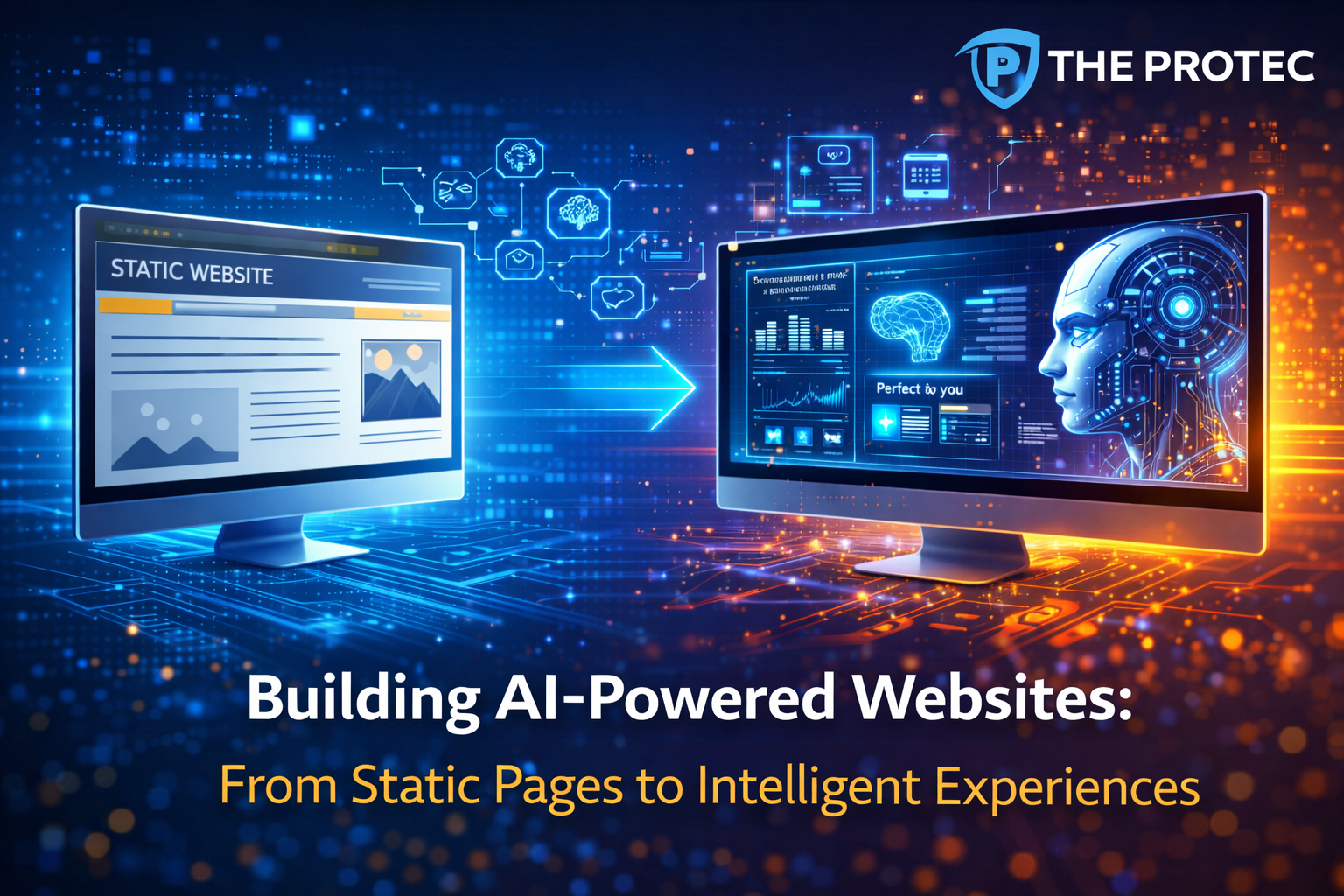
Static websites typically consist of fixed content that remains the same for every visitor. Although easy to develop and maintain, static sites lack interactivity and personalization, limiting their effectiveness in engaging modern audiences. AI-powered websites, by contrast, use machine learning, natural language processing, and data analytics to adapt content, interfaces, and functionalities in real time based on user behavior and preferences.
This evolution brings a fundamental shift in how websites function—transforming them from digital brochures into intelligent platforms optimized for enhanced engagement and conversions.
Key Technologies Behind AI-Powered Websites
Building an intelligent website involves incorporating several AI technologies that work synergistically to deliver dynamic experiences:
- Machine Learning (ML): ML algorithms analyze user data to predict preferences, optimize content recommendations, and improve website functionalities over time.
- Natural Language Processing (NLP): NLP powers chatbots, voice search, and content generation tools, enabling more intuitive user interactions.
- Computer Vision: Leveraging image and video processing improves site accessibility and enables features like automated tagging or personalized visual content.
- Recommendation Engines: Customized suggestions based on user history boost engagement and increase the likelihood of conversions.
- Behavioral Analytics: AI-driven data tracking tools provide insights into user journeys, allowing continuous UX improvements.
Step-by-Step Guide to Transform Your Website with AI
1. Audit Your Current Website and Define Objectives
Start with a thorough audit to understand your existing site’s limitations and strengths. Identify key performance metrics such as bounce rate, conversion rate, and average session duration. Then define clear objectives for AI integration, for example:
- Enhance user personalization
- Automate customer support via chatbots
- Optimize content delivery based on user behavior
- Improve site search and navigation
2. Collect and Structure Your Data
AI systems depend heavily on quality data. Collect data on user interactions, preferences, demographics, and on-site behavior ethically and transparently. Structure your data for easy accessibility, storing it in databases or data lakes that facilitate real-time processing.
3. Choose the Right AI Tools and Platforms
Today’s market offers a robust ecosystem of AI tools suitable for various needs. For example:
- Use TensorFlow or PyTorch for developing custom machine learning models.
- Integrate Dialogflow or Microsoft Bot Framework for conversational AI capabilities.
- Leverage cloud AI APIs (Google Cloud AI, AWS AI Services, Azure Cognitive Services) for easy incorporation of image recognition, language understanding, and more.
Select tools that align closely with your technical expertise and project goals.
4. Implement Personalization Engines
Create dynamic content modules that respond to user data. Personalization ranges from simple user greeting customization to complex product recommendations based on browsing patterns or purchase history. By delivering relevant content, AI increases engagement and satisfaction.
5. Integrate AI Chatbots and Virtual Assistants
Automated conversational agents provide 24/7 customer support, streamline user queries, and guide visitors through decision-making processes. Advanced chatbots understand intent and context, offering a natural and responsive communication layer.
6. Optimize Site Search with AI
AI can drastically enhance search functions, offering predictive suggestions, synonym recognition, and contextual understanding. This leads to faster, more accurate search results, improving user experience and reducing frustration.
7. Utilize AI for Continuous Analytics and Improvement
Deploy AI-powered analytics tools to monitor user engagement, detect patterns, and identify bottlenecks. Recommendations based on this data enable continuous UX optimization, A/B testing, and automated updates for evolving user needs.
Best Practices for Developing AI-Powered Websites
- Focus on User Privacy: Ensure transparency in data collection and comply with all relevant privacy regulations (e.g., GDPR, CCPA). Use data responsibly to build trust.
- Prioritize Speed and Performance: AI features can be resource-intensive. Optimize backend infrastructure and use efficient algorithms to maintain fast load times.
- Design for Accessibility: AI should enhance accessibility by supporting features like voice control, alt-text generation, and adaptive layouts.
- Test Thoroughly: Continuously test AI integrations for accuracy, bias, and functionality to deliver reliable experiences.
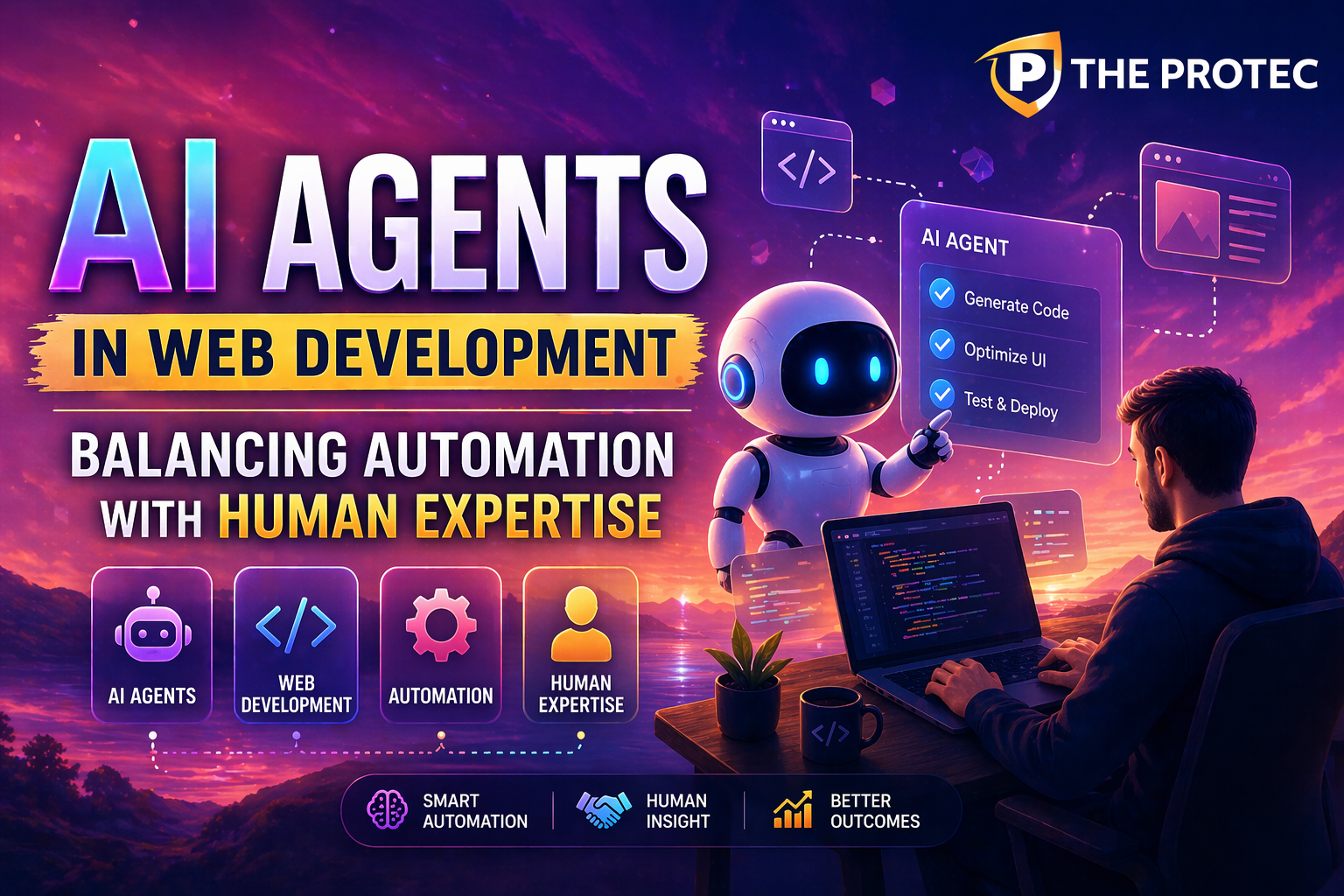
- Maintain Human Oversight: Combine AI automation with human review to balance efficiency and empathy, especially in customer-facing roles.
Real-World Examples of AI-Powered Websites
Several industries are harnessing AI to supercharge websites:
- E-commerce: Retailers use AI for personalized product recommendations, dynamic pricing, and chat-based support.
- Media and Publishing: News sites implement AI to curate relevant content for individual readers, boosting engagement.
- Healthcare: Medical platforms incorporate AI chatbots for symptom checking and appointment scheduling.
- Finance: Banks deploy AI to provide personalized advice and detect fraudulent activity through user behaviors.
Challenges and Considerations
While AI opens remarkable opportunities, developers must navigate challenges such as:
- Data Quality and Bias: Poor or biased data can lead to inaccurate or unfair AI outcomes.
- Technical Complexity: Integrating AI requires expertise and resources that may not be readily available.
- User Acceptance: Some users may resist AI interactions, perceiving them as less trustworthy or impersonal.
- Security Risks: AI systems can become targets for attacks; robust security measures are critical.
Frequently Asked Questions
What is the primary advantage of using AI in website development?
AI enables websites to deliver personalized, dynamic user experiences by analyzing visitor data and adapting content and features in real time. This increases engagement, improves satisfaction, and drives better business outcomes.
Do AI-powered websites require a lot of data to be effective?
While more data often improves AI accuracy, even websites with limited data can benefit by starting with simple AI functionalities and gradually enhancing them as more user data is collected responsibly.
How can small businesses implement AI without large budgets?
Small businesses can leverage affordable or freemium AI services offered by major cloud providers, use prebuilt chatbot templates, and focus on targeted AI features like personalized recommendations or smart search, avoiding overly complex custom models.