







Introduction
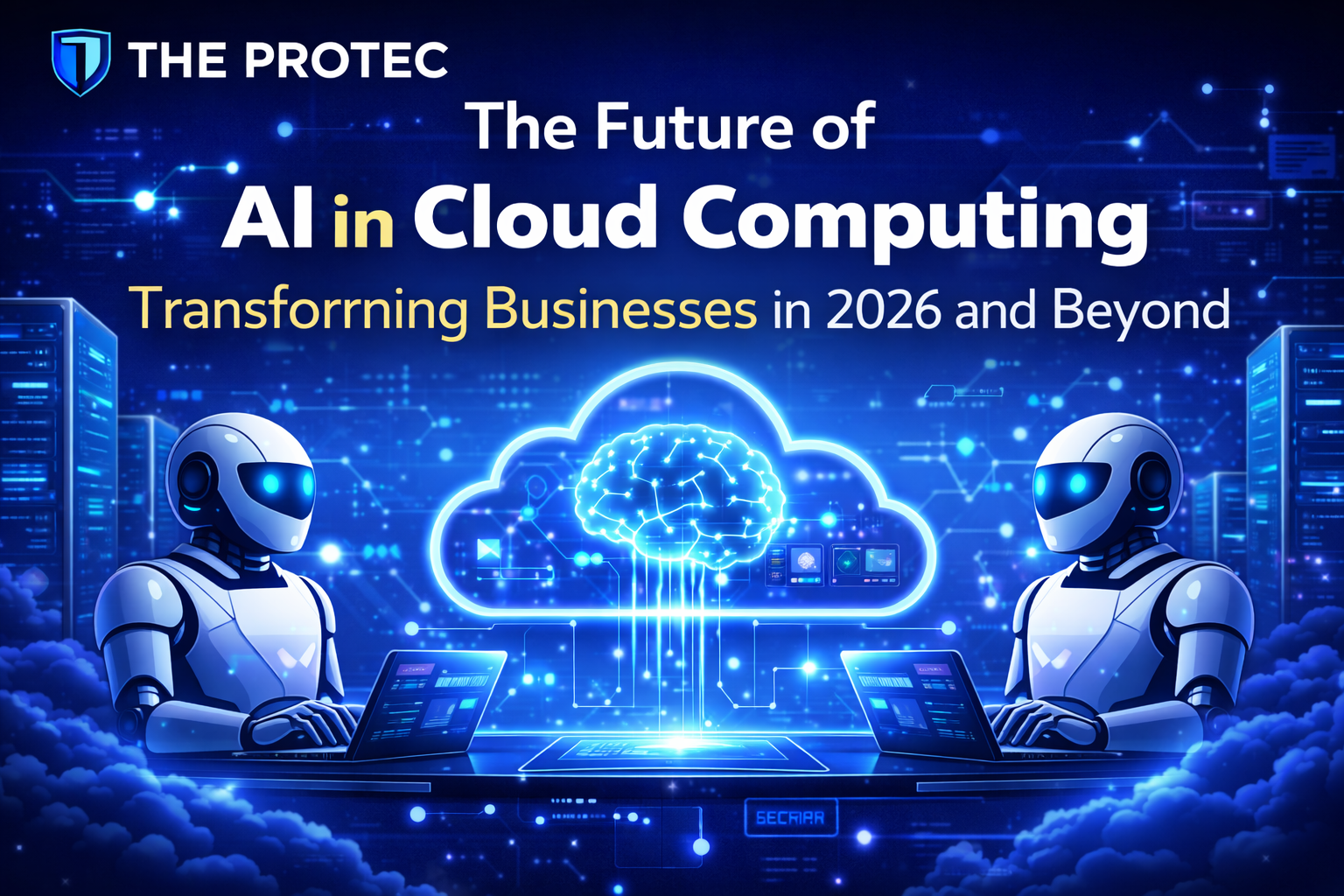
Artificial Intelligence (AI) and cloud computing have individually transformed the tech landscape over the last decade. Together, they are redefining how businesses operate in the digital realm. As we move deeper into 2024, the convergence of AI and cloud computing is driving unprecedented innovation—unlocking scalable, smart, and secure solutions that were once unimaginable.
In this article, we examine the future of AI in cloud computing, exploring the latest trends, benefits, challenges, and how businesses can leverage this synergy to enhance their operations and competitive edge.
Understanding the Intersection of AI and Cloud Computing
What Is AI in Cloud Computing?
AI in cloud computing refers to the integration of artificial intelligence technologies with cloud platforms to deliver intelligent, scalable, and flexible computing resources. These AI-powered cloud services enable organizations to automate operations, analyze enormous datasets in real-time, optimize resource allocation, and drive innovation without heavy upfront investments in infrastructure.
Why Combine AI with Cloud?
- Scalability: Cloud’s ability to scale resources dynamically complements AI workloads that often require vast computational power.
- Cost-Efficiency: Pay-as-you-go cloud models reduce the cost barriers usually associated with deploying AI models.
- Accessibility: Cloud platforms democratize AI technologies, enabling businesses of all sizes to harness AI capabilities.
- Integration & Collaboration: The cloud provides centralized repositories and APIs that facilitate AI data integration across systems and teams.
Key AI-Driven Cloud Computing Trends in 2026
1. AI-Powered Cloud Automation
Automation has become a pivotal advantage AI brings to cloud computing. Modern cloud platforms are embedding AI-powered automation capabilities that enable self-healing systems, predictive maintenance, and automated scaling to meet fluctuating workloads. This shift reduces human intervention, accelerates deployment cycles, and significantly lowers operational risks.
2. Edge AI Cloud Solutions
There’s increasing demand for deploying AI models closer to data sources — an approach known as edge AI. Cloud providers are expanding hybrid cloud offerings that integrate centralized cloud resources with edge computing nodes. This reduces latency, preserves bandwidth, and improves real-time data processing for applications such as IoT, autonomous vehicles, and smart cities.
3. Enhanced Security via AI
With cyber threats evolving rapidly, cloud platforms are integrating AI-driven security tools to proactively detect anomalies, thwart attacks, and automate compliance. These AI systems are trained on global security data sets, providing intelligent threat intelligence and faster incident response.
4. AI and Multi-Cloud Orchestration
Many enterprises adopt multi-cloud strategies to avoid vendor lock-in and optimize costs. AI-based orchestration frameworks are emerging that intelligently distribute workloads across multiple cloud providers based on performance, cost, and compliance requirements—simplifying cloud management.
Benefits of Integrating AI with Cloud Computing
1. Accelerated Data Analytics
AI algorithms can quickly sift through massive datasets stored in the cloud, uncovering insights that would take human analysts months to find. This capability enables data-driven decision-making, better customer segmentation, and predictive forecasting—optimizing business strategies.
2. Improved Resource Utilization
AI models predict usage patterns and allocate computing resources dynamically, minimizing waste. This leads to better cost management and ensures applications always have the necessary infrastructure to perform optimally.
3. Democratization of AI Tools
Cloud marketplaces and platforms offer pre-built AI models, low-code interfaces, and APIs. This reduces the technical barrier for companies, allowing even non-experts to implement AI-powered solutions quickly.
4. Enhanced Customer Experiences
Integrating AI via cloud enables real-time personalization, chatbots, recommendation engines, and sentiment analysis—driving deeper engagement and customer satisfaction.
Challenges of AI in Cloud Computing
1. Data Privacy and Compliance
Handling sensitive data in AI-powered cloud environments requires strict adherence to privacy laws like GDPR and CCPA. Ensuring data sovereignty, encryption, and secure access controls is critical.
2. Managing Costs Effectively
Although cloud lowers infrastructure costs, runaway AI experiments and inefficient workloads can create unexpected bills. Monitoring and optimizing resource consumption should be a core practice.
3. AI Model Bias and Transparency
Integrating AI at scale raises concerns about bias embedded in models and explainability of AI decisions, especially in regulated industries like finance and healthcare.
4. Integration Complexity
Seamlessly integrating AI services with existing cloud infrastructure and business systems can require significant expertise and iterative development.
Practical Applications of AI in Cloud Computing in 2026
Healthcare
AI-assisted diagnostics, powered via cloud infrastructure, allow healthcare providers to analyze imaging and patient data accurately and quickly. Cloud-based AI helps predict disease outbreaks and personalize treatment plans.
Finance
Financial institutions leverage AI cloud services for fraud detection, algorithmic trading, risk assessment, and regulatory reporting—boosting compliance and security.
Retail and E-commerce
AI-enabled cloud platforms power inventory management, dynamic pricing, AI-driven marketing campaigns, and customer service chatbots, enhancing operational agility.
Manufacturing
Cloud-based AI predicts equipment failures, optimizes supply chains, and automates quality inspections on factory floors—reducing downtime and improving efficiency.
How Businesses Can Prepare for AI-Cloud Integration
1. Upskill and Reskill Teams
Businesses should invest in training IT and data science teams on AI tools and cloud architecture to build internal capabilities.
2. Start Small with Pilot Projects
Conduct targeted pilot projects to evaluate AI cloud solutions and their ROI before scaling enterprise-wide.
3. Focus on Data Governance
Develop clear policies around data privacy, quality, and access to ensure compliance and trustworthiness of AI models.
4. Partner with Trusted Vendors
Choose cloud providers with strong AI capabilities, robust security, and compliance certifications aligned with business needs.
Frequently Asked Questions (FAQ)
What is the role of AI in cloud computing?
AI enhances cloud computing by automating management, improving resource allocation, enabling advanced analytics, and strengthening security measures, making cloud environments smarter and more efficient.
How does AI improve cloud security?
AI models detect unusual activity patterns, automate threat identification, and accelerate response times to cyberattacks, thereby bolstering cloud security frameworks.
Can small businesses benefit from AI in the cloud?
Yes. Cloud platforms offer affordable AI services and tools that small businesses can use to access powerful analytics, automate workflows, and personalize customer interactions without large upfront investments.
What challenges exist in integrating AI with cloud computing?
Key challenges include managing data privacy and compliance, controlling costs, handling AI model biases, and addressing integration complexity within existing systems.
What industries are most affected by AI-powered cloud computing?
Healthcare, finance, retail, manufacturing, and telecommunications are among the industries where AI-cloud integration is driving significant transformation and competitive advantages.
Conclusion
As AI continues its rapid evolution, cloud computing remains the ideal platform to unlock its full potential. The fusion of AI and cloud in 2026 and beyond is set to revolutionize business operations by offering scalable intelligence, agility, and enhanced security. Organizations that embrace these technologies thoughtfully and strategically will reap the greatest benefits, positioning themselves for success in a hyper-competitive digital economy.
Staying informed on emerging AI-cloud trends, investing in talent, and adopting robust governance will be key to navigating this exciting landscape.