








The AI-Driven Future of SEO in 2026: Mastering Automation, Personalization, and Real-Time Optimization
As we progress through 2026, the landscape of Search Engine Optimization (SEO) continues to evolve at a breakneck pace, primarily fueled by advances in artificial intelligence (AI), cloud computing, and automation technologies. SEO has transcended traditional keyword stuffing and backlink strategies; it now demands a deeply personalized, highly adaptive approach that leverages real-time data and machine learning to deliver optimal results.
This comprehensive guide explores how AI-powered automation, dynamic personalization, and real-time optimization are revolutionizing SEO. Whether you’re a digital marketer, web developer, or business owner, mastering these modern techniques is essential to thrive in 2026’s competitive search environment.
Why AI and Automation Are Central to 2026 SEO Strategies
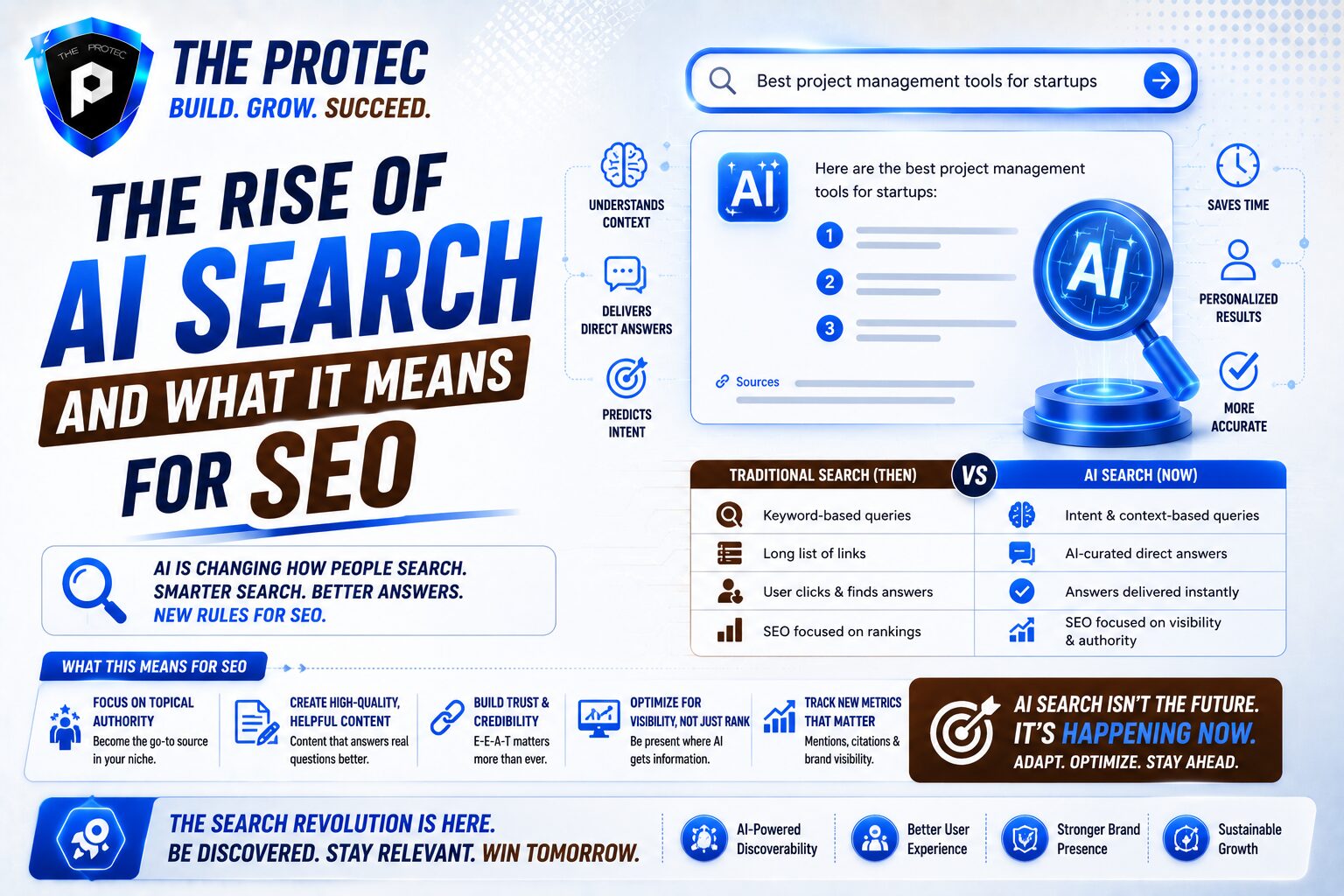
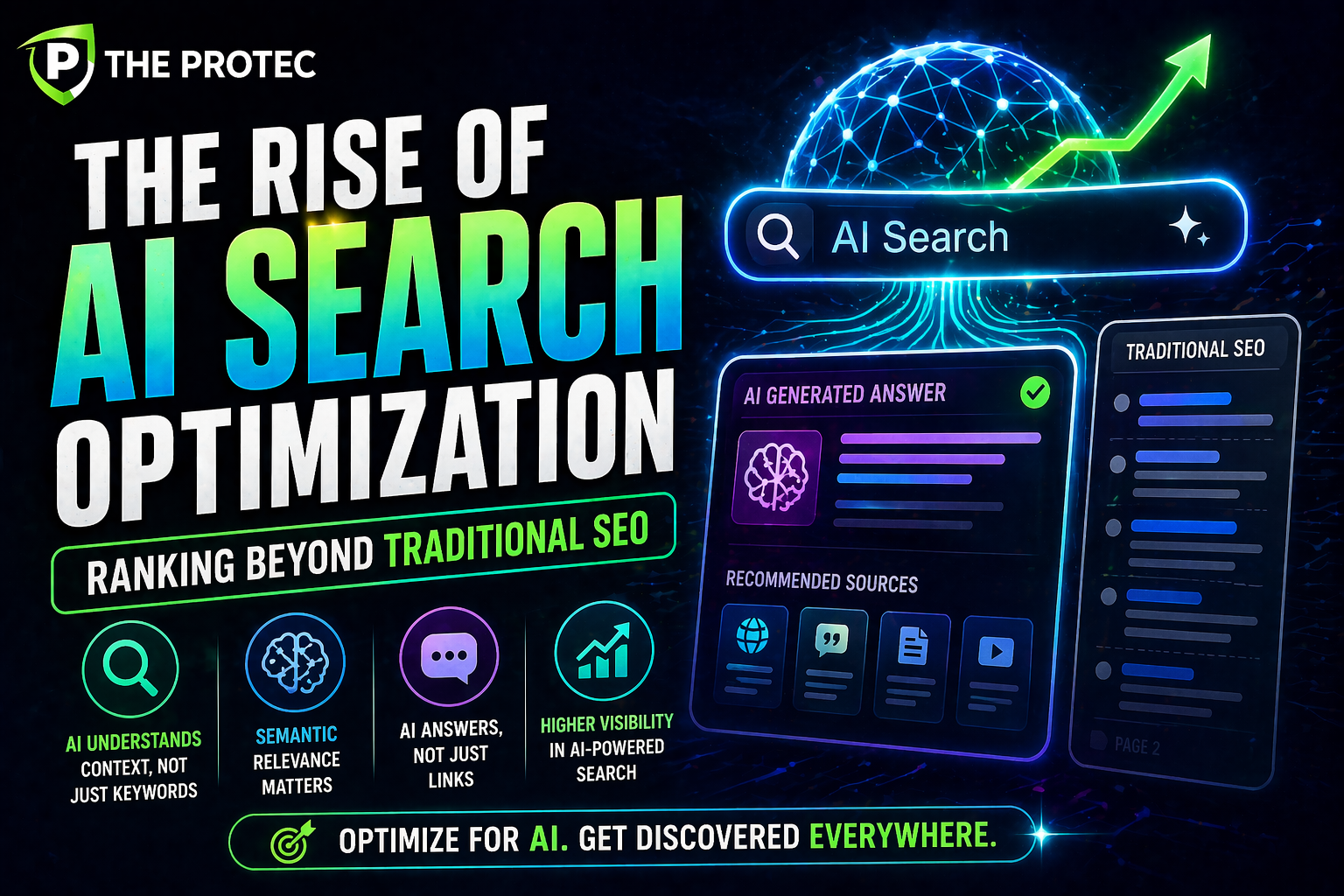
In 2026, AI isn’t just a buzzword—it’s the backbone of effective SEO. Machine learning algorithms allow search engines to better understand user intent, context, and content quality, making traditional SEO tactics less effective on their own.
- Automation Streamlines Research and Execution: Tools powered by AI can analyze massive sets of keyword data, competitor strategies, and user behaviors within minutes, workloads that previously took weeks.
- Content Generation and Optimization: Advanced AI content creators can craft SEO-friendly copy that resonates with target audiences and adheres to search engine guidelines, cutting down time and boosting ROI.
- Predictive Analytics Enables Proactive SEO: AI models predict trends by analyzing historical search data combined with emerging patterns, helping marketers prepare content that meets future demand.
Moreover, cloud-based SEO platforms integrate AI capabilities, making these insights accessible on-demand and scalable for businesses of all sizes. This democratization of AI tools has leveled the playing field, allowing even small businesses to compete with industry giants through smarter strategies.
Hyper-Personalization: The Cornerstone of 2026 SEO Success
Search engines like Google have refined their algorithms to prioritize relevance and user experience, which means personalization is no longer optional—it’s mandatory.
Hyper-personalization goes beyond inserting a user’s name in an email; it uses AI to analyze a user’s past search behaviors, location, device, and browsing patterns to deliver content tailored for their unique preferences.
- Dynamic Content Adjustments: Websites now employ AI-driven content management systems that dynamically modify headlines, images, and CTAs based on the visitor’s profile and interaction history.
- Voice Search and Conversational AI: With voice-activated devices becoming ubiquitous, optimizing for natural language and conversational queries is critical. AI enables websites to adapt content to voice search nuances effectively.
- Geo-Targeted SEO Strategies: Leveraging location data, businesses craft SEO campaigns that resonate with regional preferences, holidays, and events, significantly increasing local engagement.
For example, an e-commerce site selling outdoor gear might show winter clothing options immediately to users accessing from snowy regions, while highlighting hiking sneakers for users browsing from temperate zones. This level of personalization encourages higher conversion rates by making visitors feel understood and valued.
Real-Time SEO Optimization: The New Norm for Agility and Performance
The fast-changing digital landscape requires SEOs to act swiftly. Real-time SEO optimization driven by AI and cloud infrastructure enables marketers to respond instantaneously to shifts in search trends, competitor activity, and user behavior.
- Live Content Updates: Cloud platforms let teams push SEO-friendly changes to their websites in seconds, whether updating metadata, refreshing images, or tweaking on-page SEO elements based on real-time insights.
- Real-Time Analytics and Adjustment: AI continuously monitors crawling, indexing, and search performance data, alerting teams to anomalies or shifts, such as keyword ranking drops or traffic spikes. Automated A/B tests can then identify the best corrective actions.
- Integration with Marketing Automation: SEO tools now link seamlessly with CRM and marketing automation platforms to tailor content delivery and outreach dynamically, based on user engagement and conversion metrics.
Consider a SaaS company monitoring newly released competitor features in real time and promptly refreshing their own landing page content to emphasize their strengths. This agility ensures they maintain visibility and customer interest without manual delays.
Practical Use Cases of AI-Enhanced SEO in 2026
1. Automated Site Audits and Technical SEO Fixes
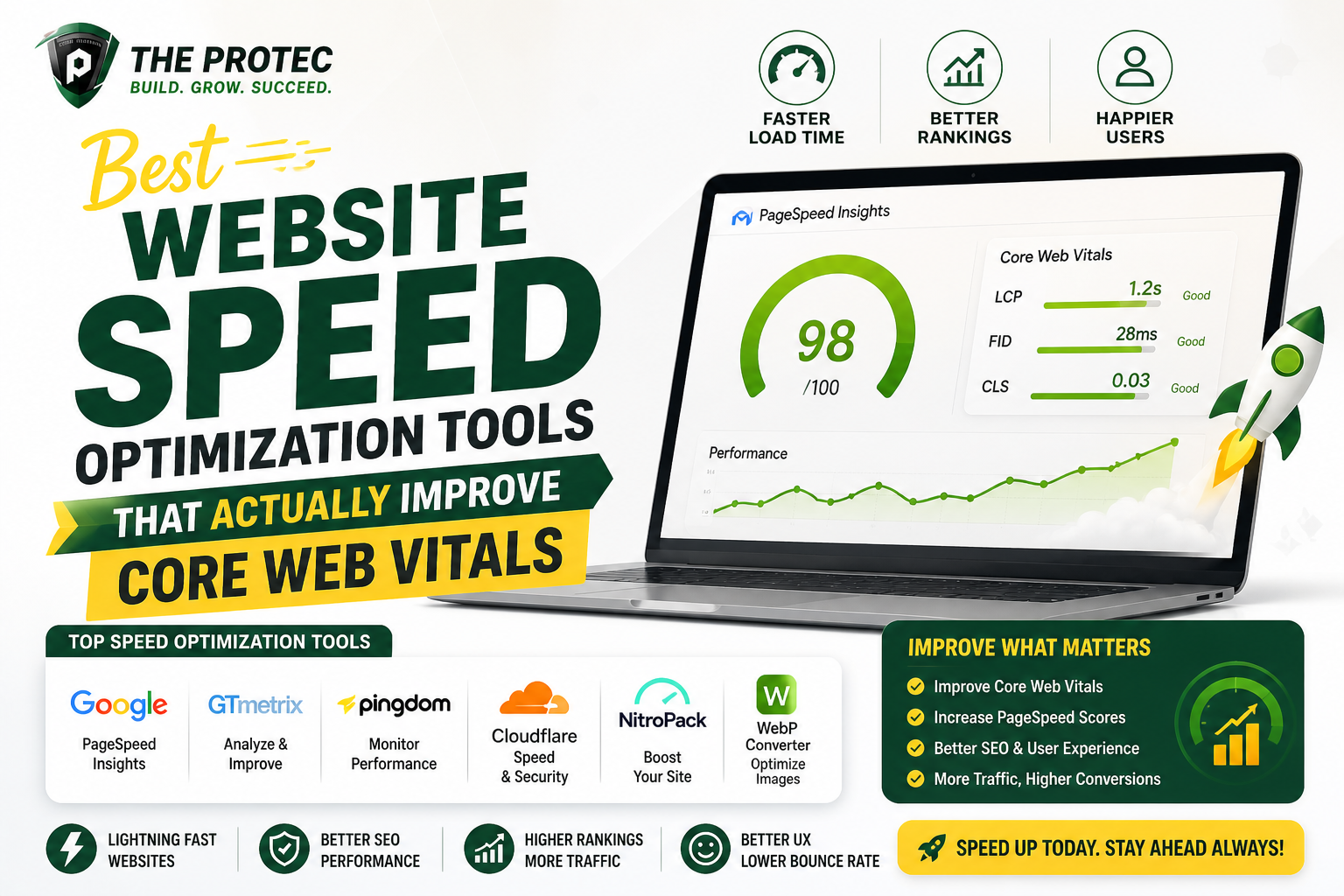
AI-powered SEO crawlers detect technical issues such as broken links, slow page speeds, and crawl errors far quicker than manual audits. Some platforms offer automatic remediation suggestions or even enable one-click fixes, saving time and supporting optimal site health.
2. Content Gap Analysis with AI-Driven Recommendations
By analyzing competitor content and top search results, AI tools identify content gaps that represent unmet user needs. Marketers can then create targeted articles or FAQs that improve keyword rankings and traffic.
3. User Experience (UX) Optimizations Based on Behavioral Data
AI analyses heat maps, scroll depth, and interaction patterns to suggest UX enhancements that reduce bounce rates and increase dwell time, both critical SEO ranking factors in 2026.
4. Semantic SEO and Entity Recognition
Modern search engines understand content context and relationships between concepts. AI tools help map and optimize content semantically, ensuring pages convey meaning more effectively and rank higher for relevant queries.
Challenges and Ethical Considerations with AI in SEO
Despite its benefits, AI-driven SEO poses challenges and ethical issues marketers must address:
- Content Authenticity and Quality: Over-reliance on AI-generated content may lead to generic or plagiarized material, negatively impacting user trust and search rankings.
- Data Privacy and User Consent: Personalization requires careful handling of sensitive user data, complying with evolving privacy laws such as GDPR and CCPA.
- Algorithm Dependency: Heavy reliance on AI and automation tools makes SEO strategies vulnerable to sudden changes in AI models or search engine algorithms beyond human control.
Successful 2026 SEO professionals balance AI advantages with human oversight, creativity, and ethical responsibility, ensuring sustainable long-term outcomes.
Future-Proofing Your SEO Strategy for the Coming Years
Integrating AI, automation, and personalization is no longer optional but essential to remain competitive. To future-proof your SEO efforts, consider the following steps:
- Invest in AI-Enabled SEO Tools: Evaluate and adopt platforms that offer automation, real-time analytics, and personalized content delivery tailored for your industry.
- Focus on Quality, Authenticated Content: Use AI as a supportive tool for research and optimization but maintain a human editorial process to ensure originality and value.
- Monitor and Adapt to Algorithm Updates: Stay agile by continuously monitoring real-time data and being ready to adjust your strategy as search engine AI evolves.
- Prioritize User Experience and Accessibility: Enhanced UX boosts SEO and builds brand loyalty; focus on mobile responsiveness, page speed, and inclusive design.
- Ensure Compliance with Privacy Regulations: Implement transparent data policies and use AI ethically to build user trust and avoid penalties.
Q1: How does AI improve keyword research in 2026?
AI analyzes vast datasets, including search trends, competitor keywords, and user intent signals, to recommend highly relevant and less competitive keywords. It also identifies semantic relationships to expand keyword strategies beyond exact match terms, resulting in better targeting and higher rankings.
Q2: Can AI-generated content rank well on Google in 2026?
Yes, but only if it is high-quality, original, and user-centric. Google’s algorithms emphasize helpful, authoritative content regardless of its creation method. AI tools should assist human writers to enhance creativity and accuracy rather than replace them completely.
Q3: What role does real-time SEO play in competitive industries?
In rapidly evolving sectors like SaaS or e-commerce, real-time SEO enables quick adaptation to market changes, competitor launches, and trending topics, preventing loss of rankings and traffic. Automation and cloud tools facilitate immediate updates and data-driven decision-making, providing a critical competitive edge.
Conclusion
SEO in 2026 is defined by the strategic embrace of AI, automation, and personalization, underpinned by cloud technology and data-driven agility. Businesses that integrate these elements thoughtfully into their marketing strategies will unlock unprecedented visibility and engagement while navigating the complex challenges of modern search ecosystems.
Embracing AI-enhanced SEO is not just about keeping up—it’s about pioneering smarter, faster, and more user-centric approaches to digital marketing success in the dynamic, AI-driven future.