





Introduction
Cybersecurity remains an ever-evolving battlefield as threat actors innovate and exploit new vulnerabilities. The recent spate of cyber attacks has exposed glaring gaps in organizational defenses, underscoring the urgent need for robust cybersecurity strategies coupled with real-world lessons. By dissecting five real cyber attacks that delivered significant impact, this article offers a detailed breakdown of what happened and, most importantly, actionable prevention strategies. Whether you are a security professional, CISO, or business leader, understanding these case studies strengthens your ability to defend against future cybersecurity threats and data breaches.
1. Targeted Ransomware Disruption in Critical Infrastructure
Attack Summary: A sophisticated ransomware group infiltrated a prominent regional power grid operator using a zero-day vulnerability in a widely used industrial control system (ICS). The attack disrupted power supply for several hours affecting millions of residents and critical services.
Key Techniques Used:
- Zero-day exploit to bypass ICS security protocols
- Credential theft through spear-phishing emails targeting engineers
- Double extortion tactics: data encryption combined with sensitive data leak threats
Prevention Strategies:
- Regular Patch Management: Implement timely updates and patches for ICS components, collaborating closely with vendors to ensure zero-day vulnerabilities are addressed promptly.
- Network Segmentation: Divide operational and corporate networks to minimize lateral movement. Apply strict access controls between IT and OT (operational technology) environments.
- Employee Training: Conduct ongoing spear-phishing awareness and simulated attack drills targeting engineers and critical infrastructure personnel.
- Multi-Factor Authentication (MFA): Enforce MFA on all remote access portals and privileged accounts to mitigate credential theft risks.
2. Massive Credential Stuffing Attack on Financial Services
Attack Summary: Attackers launched a credential stuffing campaign using billions of leaked credentials from unrelated breaches to access a major online bank’s customer accounts, resulting in fraud and financial losses.
Key Techniques Used:
- Automated login attempts leveraging password reuse
- Use of proxy networks to evade IP-based rate limiting
- Targeting multi-account customers for identity theft
Prevention Strategies:
- Implement Adaptive Authentication: Use risk-based analysis to flag login anomalies and require additional verification dynamically.
- Password Hygiene Promotion: Encourage customers to avoid password reuse and leverage password managers through regular communications.
- Deploy Web Application Firewalls (WAF): Leverage advanced WAFs with bot detection to mitigate automated abusive login attempts.
- Credential Monitoring: Continuously monitor credential leak repositories and alert customers proactively if exposed credentials are detected.
3. Supply Chain Compromise of a Software Development Platform
Attack Summary: A software development platform’s build pipeline was subverted by attackers who injected malicious code into widely used open-source libraries, spreading backdoors to thousands of applications downstream.
Key Techniques Used:
- Compromise of developer accounts through stolen API tokens
- Inserting malicious code during automated CI/CD build processes
- Supply chain attack vector leveraging trusted software dependencies
Prevention Strategies:
- Secure DevOps Practices: Enforce least privilege access for build environments and enable role-based access control (RBAC) on repositories and CI/CD tools.
- Code Signing and Verification: Require cryptographic signing of build artifacts and verify code provenance at deployment.
- Dependency Auditing: Regularly audit and monitor third-party libraries for integrity and updates through tools like Snyk and OWASP Dependency-Check.
- API Token Management: Rotate and restrict API tokens, and employ anomaly detection to identify suspicious build activities.
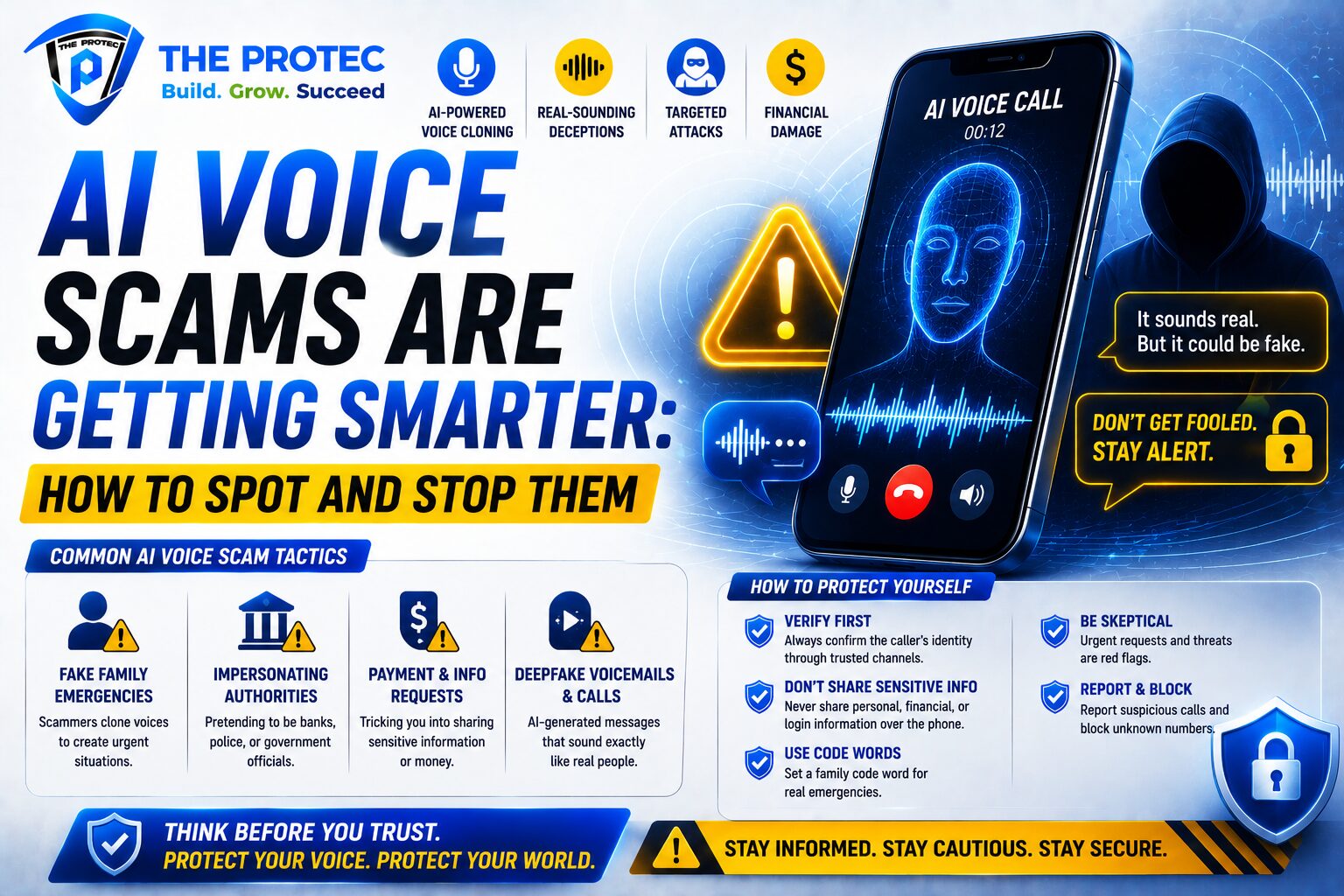
4. Deepfake Phishing Campaign Targeting Executives
Attack Summary: A targeted phishing attack used AI-generated deepfake audio and video calls impersonating CEOs to manipulate CFOs into authorizing fraudulent wire transfers worth millions.
Key Techniques Used:
- Advanced deepfake voice and video synthesis matching executive mannerisms
- Social engineering exploiting urgency and trusted organizational hierarchy
- Spear-phishing with personalized content sourced from leaked internal communications
Prevention Strategies:
- Multi-Channel Verification: Require additional confirmation steps for significant financial transactions, such as face-to-face or in-person validation.
- Executive Awareness Training: Educate leadership on deepfake and synthetic media risks and foster a verification culture.
- Deploy Advanced Email Filtering: Utilize AI-driven threat detection platforms analyzing context, sender behavior, and metadata.
- Internal Communication Policies: Create strict protocols for financial approvals and enforce documentation trails.
5. IoT Botnet Launching DDoS Against Healthcare Systems
Attack Summary: A botnet composed of compromised IoT devices targeted hospital networks with volumetric Distributed Denial of Service (DDoS) attacks, rendering critical healthcare services unavailable.
Key Techniques Used:
- Exploitation of default or weak credentials on unsecured IoT devices
- Use of reflection attacks amplifying traffic volume
- Targeting of healthcare facilities’ external internet infrastructure
Prevention Strategies:
- IoT Device Security Hygiene: Enforce strong credential policies, disable unnecessary ports, and regularly update IoT firmware.
- DDoS Mitigation Services: Employ cloud-based scrubbing services and ISP collaboration to filter and absorb malicious traffic.
- Network Traffic Monitoring: Use anomaly detection tools to identify unusual patterns that precede volumetric attacks.
- Segmentation and Redundancy: Segment the network and design redundant access pathways to maintain critical system availability.
Frequently Asked Questions (FAQ)
What are the most common cybersecurity threats organizations face today?
Organizations are commonly targeted by ransomware, credential stuffing, supply chain attacks, phishing (including deepfake variants), and IoT-based DDoS attacks. Each leverages different weaknesses and requires layered defense strategies.
How can I effectively prevent data breaches within my organization?
Effective data breach prevention involves a combination of regular patch management, strong authentication measures, user awareness training, continuous monitoring, and implementing zero-trust principles to reduce attack surfaces.
Why is supply chain security critical in modern cybersecurity frameworks?
Supply chain attacks can compromise trusted software and infrastructure, impacting countless downstream applications. Securing supply chains through code integrity, access controls, and dependency audits helps contain risks and maintain software trustworthiness.
Conclusion
The recent cyber attacks reviewed highlight the sophistication and evolving nature of cybersecurity threats. Organizations must remain vigilant and proactive by adopting multi-layered defense strategies and learning from real-world incidents. Prioritizing patching, user training, identity protection, supply chain security, and anomaly detection will significantly enhance resilience against emerging attack vectors and safeguard sensitive data.
For deeper insights into cybersecurity best practices and tools, visit organizations like the Cybersecurity and Infrastructure Security Agency (CISA), which offer valuable guidance on threat mitigation and breach prevention.