







Contents
- 1 Introduction: The Dawn of AI-First Development
- 2 The Shift From Manual Coding to AI-Assisted Architecture
- 3 AI Coding Tools: Empowering the Developer as Architect
- 4 The Future of Programming: Developers as Visionary Architects
- 5 Challenges and Considerations in AI-First Development
- 6 Best Practices for Embracing AI-First Development
- 7 FAQ Section
- 8 Conclusion
Introduction: The Dawn of AI-First Development
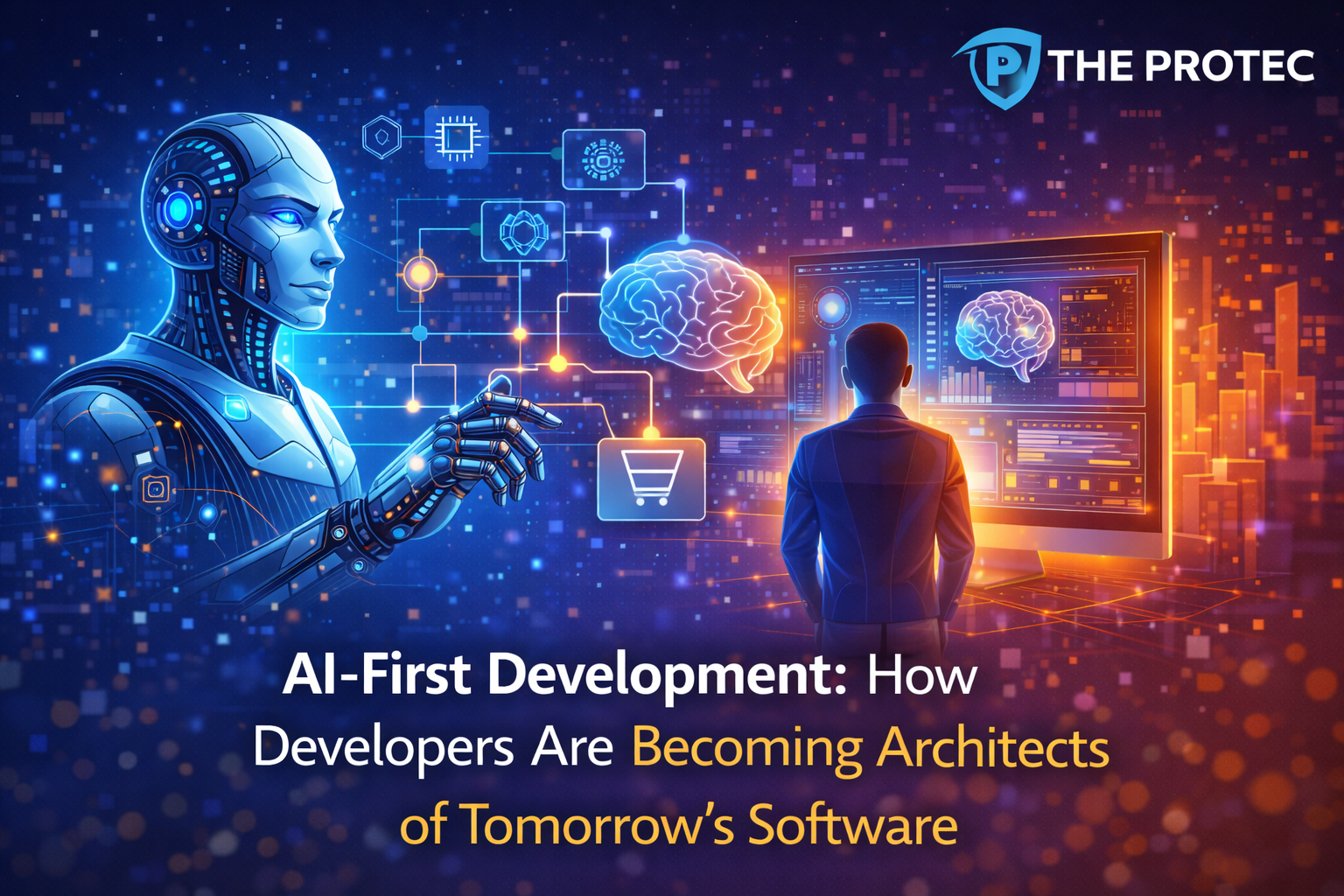
As technology rapidly evolves, the role of developers is undergoing a profound transformation. The traditional image of a programmer painstakingly writing lines of code is giving way to a new paradigm known as AI-first development. In this emerging landscape, developers are no longer just coders; they are becoming architects of complex software systems, guided and augmented by cutting-edge AI tools. This shift is not merely a trend but a fundamental evolution in how software is built, maintained, and scaled.
The Shift From Manual Coding to AI-Assisted Architecture
Software development has historically relied heavily on the manual effort of writing clean, efficient code. While the craft of coding remains essential, the explosion of AI coding tools is changing the game. Developers now wield intelligent assistants that can generate, optimize, and even test code at speeds and accuracy levels unreachable by human hands alone. But the real transformation lies beyond writing code, it’s about strategic design, architecture, and high-level decision-making where AI helps developers construct robust, scalable systems.
Enhanced Problem Solving and Design
In the AI-first environment, developers act more like architects, focusing on the blueprint rather than every brick. They leverage AI to analyze requirements, predict potential pitfalls, suggest architectural patterns, and evaluate trade-offs in real time. This collaborative interaction with AI tools ensures that the foundations of software are stronger, more adaptive, and aligned with business goals.
Delegating Routine Tasks
Routine and repetitive coding tasks: once a major time sink, are now largely handled by AI. Code snippets, boilerplate generation, bug fixes, and refactoring can be automated, allowing developers to channel their expertise into innovation and systems thinking.
AI Coding Tools: Empowering the Developer as Architect
Today’s AI coding platforms are increasingly sophisticated, blending machine learning, natural language processing, and domain-specific insights. Let’s look at how these tools empower developers:
- Contextual Code Generation: AI can generate code based on high-level descriptions, reducing the need for specifying every detail.
- Architectural Suggestions: Intelligent platforms offer real-time guidance on design patterns, scalability options, and integrations.
- Automated Testing and Debugging: AI-driven testing suites identify vulnerabilities, optimize test coverage, and even fix bugs autonomously.
- Collaborative Coding: AI assistants facilitate better communication and alignment among multi-disciplinary development teams by translating complex requirements into actionable code modules.
Examples of Modern AI Coding Tools
Leading-edge AI coding tools like GitHub Copilot, Amazon CodeWhisperer, and OpenAI’s Codex have already begun to change workflows. More advanced tools emerging in 2026 emphasize integration with system design, offering architectural insights that empower developers to make smarter decisions rather than merely write code.
The Future of Programming: Developers as Visionary Architects
The future of programming is less about syntax mastery and more about orchestrating AI capabilities. Developers are evolving into system architects who focus on:
- Strategic Planning: Defining software goals, user experience pathways, and sustainability metrics.
- Ethical Decision-Making: Ensuring AI-generated code aligns with privacy, security, and compliance standards.
- Interdisciplinary Collaboration: Bridging the gap between business, design, and technology teams with AI-powered translation and prototyping tools.
- Continuous Iteration: Using real-time AI insights to refine and evolve architectures dynamically based on usage patterns and feedback.
Ultimately, developers will rely on AI to manage complexity, enabling faster delivery of reliable and innovative software solutions.
Challenges and Considerations in AI-First Development
While AI-first development presents incredible opportunities, there are critical challenges developers must navigate:
- Dependency on AI Accuracy: Developers must maintain a strong understanding to validate AI-generated outputs, preventing flawed or insecure solutions.
- Skill Adaptation: The evolving landscape requires developers to acquire complementary skills in system design, AI ethics, and human-AI interaction.
- Tool Integration: Seamless integration of AI tools into existing workflows and legacy systems can be complex.
- Data Privacy and Security: Managing sensitive data within AI-driven development pipelines demands rigorous compliance and oversight.
Best Practices for Embracing AI-First Development
To maximize the benefits of AI-assisted development, organizations and developers should consider the following practices:
- Continuous Learning: Invest in training that balances coding proficiency with AI literacy and architectural thinking.
- Human-AI Collaboration: Establish workflows that allow developers to guide AI recommendations critically instead of blind reliance.
- Modular Architecture Design: Design systems with flexibility to incorporate AI-generated components without major restructuring.
- Ethical Frameworks: Implement clear policies for AI use, focusing on fairness, transparency, and accountability.
FAQ Section
What exactly is AI-first development?
AI-first development is a software creation approach where artificial intelligence tools are integrated at the core of the process, not just as aids but as partners in design, coding, testing, and deployment. This shifts a developer’s role from hands-on coding to strategic system architecture and decision-making with AI support.
How do AI coding tools change developer workflows?
AI coding tools automate routine tasks like code generation, debugging, and testing, enabling developers to focus on higher-level challenges such as software architecture and user experience. These tools also provide real-time insights and suggestions, improving efficiency and reducing errors.
Will AI replace developers entirely?
No, AI is a powerful augmentative technology. While it automates many tasks, the complex, creative, and ethical decisions involved in software development still require human insight. Developers are becoming architects who direct AI’s capabilities rather than being replaced by it.
Conclusion
The rise of AI-first development represents a paradigm shift, fundamentally reshaping the programming landscape. By embracing AI coding tools, developers evolve from traditional coders into visionary architects, crafting sophisticated software ecosystems through collaboration with intelligent systems. This transformation is unlocking unprecedented innovation, productivity, and quality in software creation. Staying ahead in this new era means valuing architectural vision, continuous learning, and strategic human-AI partnership: hallmarks of the future of programming.
For those looking to explore AI-first development strategies further, resources like InfoQ’s insights on AI in software development can provide valuable perspectives.