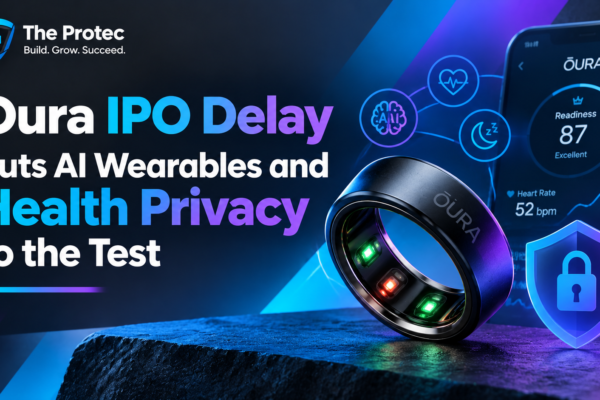
Oura IPO Delay Puts AI Wearables and Health Privacy to the Test
Oura’s postponed U.S. IPO highlights market volatility while renewing debate over privacy, sensitive health data and investor confidence in AI-powered wearables.









Oura’s postponed U.S. IPO highlights market volatility while renewing debate over privacy, sensitive health data and investor confidence in AI-powered wearables.
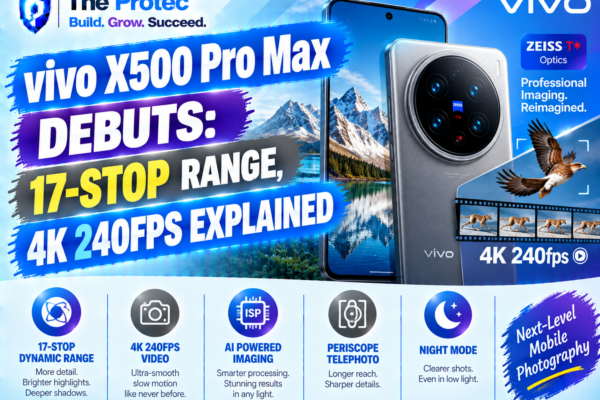
The vivo X500 Pro Max raises the bar for mobile imaging with claimed 17-stop dynamic range and 4K 240fps recording. Here is what those features mean in practice.

The AI hardware race is shifting from training giant models to serving them efficiently. Here is how GPUs, specialized accelerators, memory systems, and rack-scale architectures are competing for inference workloads.
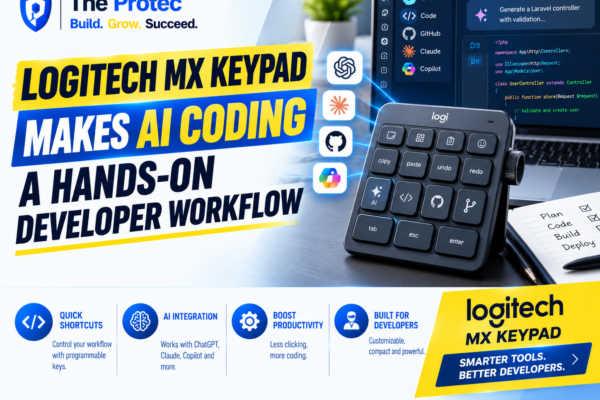
The Logitech MX Keypad gives developers programmable physical controls for AI coding tools, terminals, IDE commands, prompts, and agent-driven workflows.
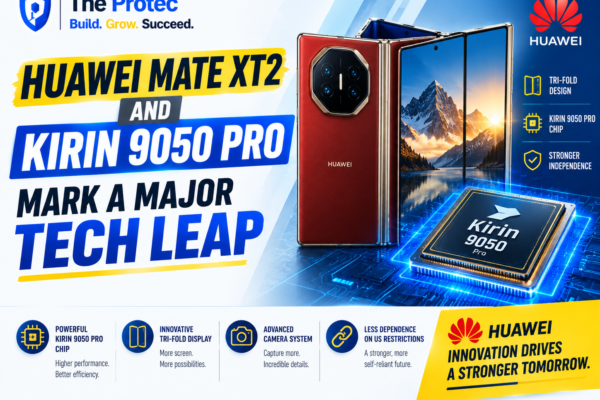
The Huawei Mate XT2 is more than an ambitious tri-fold phone. Its Kirin 9050 Pro chip reveals how far Huawei has pushed mobile silicon despite years of US restrictions.

Apple’s affordable MacBook Neo is forcing budget laptops to become more stylish and focused. Dell’s colorful new Dell 14S shows how quickly Windows brands are responding.

Valve’s rumored Steam Frame could redefine standalone PC VR. Here is what credible evidence suggests about Steam Frame release date, price, hardware, and SteamOS support.
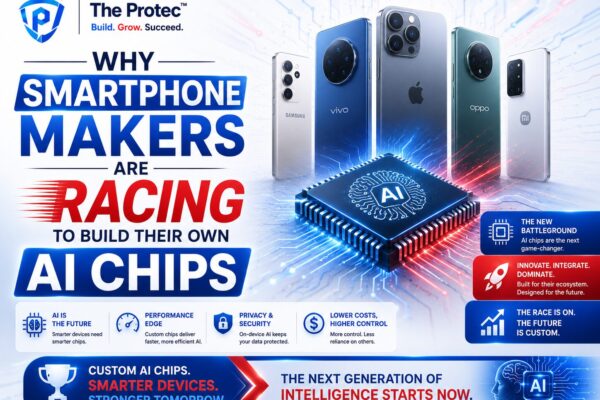
Apple, Google, and Qualcomm are reshaping smartphone AI chips with custom silicon designed to deliver faster on-device intelligence, better privacy, and longer battery life.