








Understanding Shadow AI: The Silent Enterprise Threat
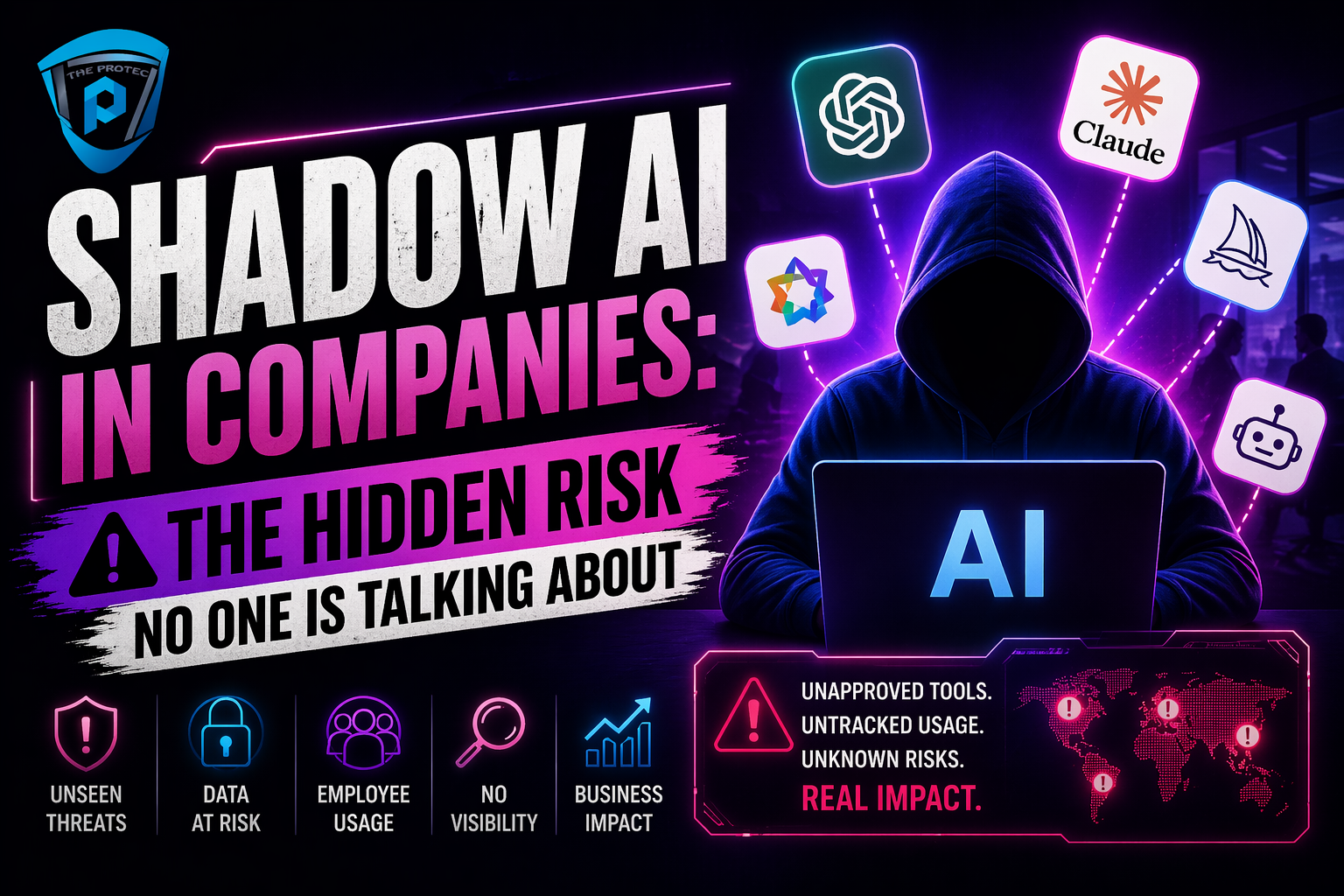
Artificial intelligence continues to revolutionize business operations, offering unprecedented opportunities for efficiency and innovation. However, alongside these benefits, a less visible but increasingly dangerous phenomenon has emerged shadow AI. This term refers to the use of artificial intelligence tools by employees without official approval or oversight from their company’s IT or security teams. Shadow AI presents a new frontier of enterprise AI risk, one that is often overlooked but can have serious security and compliance consequences.
What Exactly is Shadow AI?
Shadow AI parallels the well-known concept of shadow IT technologies used within organizations without formal approval from IT departments. Employees have easy access to AI tools online, many of which require little to no technical expertise. This ease of access encourages individuals to adopt AI applications, such as generative chatbots, data analysis platforms, or automated content generators, without any vetting or risk assessment by their company. While this can boost productivity in the short term, it creates a hidden labyrinth of unmonitored AI systems.
Common Examples of Shadow AI
- Using free web-based AI chatbots to generate code or sensitive documents.
- Employing unauthorized AI-powered analytics tools on company data.
- Utilizing AI-driven marketing or customer engagement platforms without integration checks.
- Adopting machine learning services outside of the approved technology stack.
The Rising Enterprise AI Risk from Shadow AI
Shadow AI’s growth presents a profound set of security challenges and operational risks that many organizations are still unprepared for. Below, we explore the main risks associated with unauthorized AI tools.
1. Data Security and Privacy Breaches
Employee use of unapproved AI tools often means sensitive company data is uploaded to third-party platforms. These tools may lack rigorous data protection protocols or could even store data indefinitely. Consequently, confidential information including intellectual property, customer data, and internal strategies can be exposed to breaches or misuse. Compliance with regulations like GDPR, HIPAA, or CCPA becomes challenging when data flows out of controlled corporate environments.
2. Loss of AI Governance and Control
Without centralized management, organizations lose visibility into what AI systems are in use and how they operate. This lack of governance can introduce unknown biases in AI outputs, generate inaccurate insights, or propagate harmful data patterns. Shadow AI also makes it difficult to monitor risks such as malicious code generation or AI chatbots interacting with customers inappropriately.
3. Increased Cybersecurity Vulnerabilities
Many unauthorized AI tools do not undergo stringent security assessments. They may be vulnerable to cyberattacks, or they can unintentionally introduce backdoors exploitable by hackers. Moreover, shadow AI instances create complex attack surfaces multiple unmonitored AI endpoints provide more vectors for breach attempts, complicating incident detection and response.
4. Impact on Compliance and Legal Risks
Enterprises face regulatory scrutiny when AI usage is not documented or controlled. Unauthorized tools may violate data sovereignty laws or industry-specific standards, resulting in fines, reputational damage, and legal challenges. Additionally, the use of shadow AI challenges audit trails and transparency expected from responsible AI deployments.
Why Are Employees Turning to Shadow AI?
Understanding why shadow AI emerges is critical to addressing it effectively. In many cases, employees turn to unauthorized AI tools due to gaps between enterprise capabilities and evolving business needs.
Factors Driving Shadow AI Adoption
- Rapid innovation cycles: Enterprises cannot always keep pace with the fast evolution of AI technologies, leading employees to seek out the latest tools themselves.
- Lack of awareness: Employees may not understand the risks associated with unauthorized AI use or fail to see it as problematic without clear policies.
- Insufficient training and support: When sanctioned AI solutions don’t meet user expectations or are complicated, staff prefer easier external alternatives.
- Pressure for productivity: The demand for quick solutions during tight deadlines compels employees to try AI tools “on their own” without formal approval.
Strategies to Mitigate Shadow AI Risks
Ignoring shadow AI is no longer an option. Companies must act proactively and holistically to manage the hidden enterprise AI risks associated with unauthorized tools.
1. Establish Clear AI Usage Policies
Develop and communicate explicit guidelines governing AI tool adoption. These policies should define acceptable use, approval paths, and security requirements. Employees need to understand the rationale behind controls and the potential risks of shadow AI.
2. Improve Visibility and Monitoring
Deploy technologies that scan network traffic and software inventories for AI tool usage. Automated monitoring can flag unapproved AI activity and feed insights into enterprise risk management frameworks.
3. Provide Approved AI Solutions That Empower Users
Invest in vetted AI platforms that meet security and compliance standards while aligning with employee workflows. When the enterprise provides efficient, user-friendly AI options, the incentive to seek unauthorized tools decreases.
4. Conduct AI Risk Training and Awareness Campaigns
Educate employees on the security, privacy, and legal implications of shadow AI. Regular training programs encourage responsible AI adoption and make users allies in risk management rather than unintended threats.
5. Collaborate Between IT, Security, and Business Units
Shadow AI sits at the intersection of technology and business functions. Cross-department collaboration fosters balanced policies that support innovation while safeguarding the enterprise.
Frequently Asked Questions About Shadow AI
What distinguishes shadow AI from shadow IT?
While both involve unauthorized technology use, shadow AI specifically relates to artificial intelligence tools used without approval. Shadow IT may include various software or hardware systems, but shadow AI presents unique risks due to data sensitivity, algorithmic decision-making, and their complex integration challenges.
Can shadow AI actually improve productivity despite the risks?
In some cases, shadow AI tools can help employees solve problems quickly and innovate independently. However, the hidden risks like data breaches or inaccurate outputs often outweigh these benefits. The goal is to harness AI’s potential within a secure, governed environment rather than through unsanctioned use.
How can companies detect shadow AI if employees use cloud-based tools externally?
Detection requires a combination of network traffic analysis, behavioral monitoring, and endpoint security solutions capable of identifying suspicious data flows. Additionally, fostering transparency through employee engagement encourages voluntary disclosure of AI tool usage.
Conclusion
Shadow AI represents a rapidly escalating enterprise risk as artificial intelligence becomes embedded deeper into daily workflows. Organizations must recognize that unauthorized AI tools while often well-intentioned introduce critical vulnerabilities and compliance challenges. Through clear policies, advanced monitoring, user-focused AI provision, and ongoing education, companies can tame shadow AI and turn AI risk into a managed strategic asset.
Ignoring shadow AI is no longer an option for enterprises intent on securing their data, products, and reputations in a future dominated by artificial intelligence.
For further insights on AI risk management and cybersecurity trends, visit CSO Online’s guide to shadow IT and risks.