







Introduction
The landscape of personal technology is rapidly evolving, driven by the surge of artificial intelligence integration beyond traditional smartphones. AI wearables such as smart glasses, earbuds, and other always-on personal devices are reshaping how we interact with information, communication, and our environments. This shift is significant because it marks a transition from carrying powerful AI in handheld devices to embedding it seamlessly into accessories that augment everyday life in real time.
What Are AI Wearables?
AI wearables refer to intelligent devices worn on the body that leverage artificial intelligence to provide enhanced functionality. Unlike smartphones that require active engagement, AI wearables often operate continuously, using sensors and machine learning algorithms to anticipate user needs, offer contextual insights, and deliver personalized experiences without cumbersome interfaces.
Common examples include:
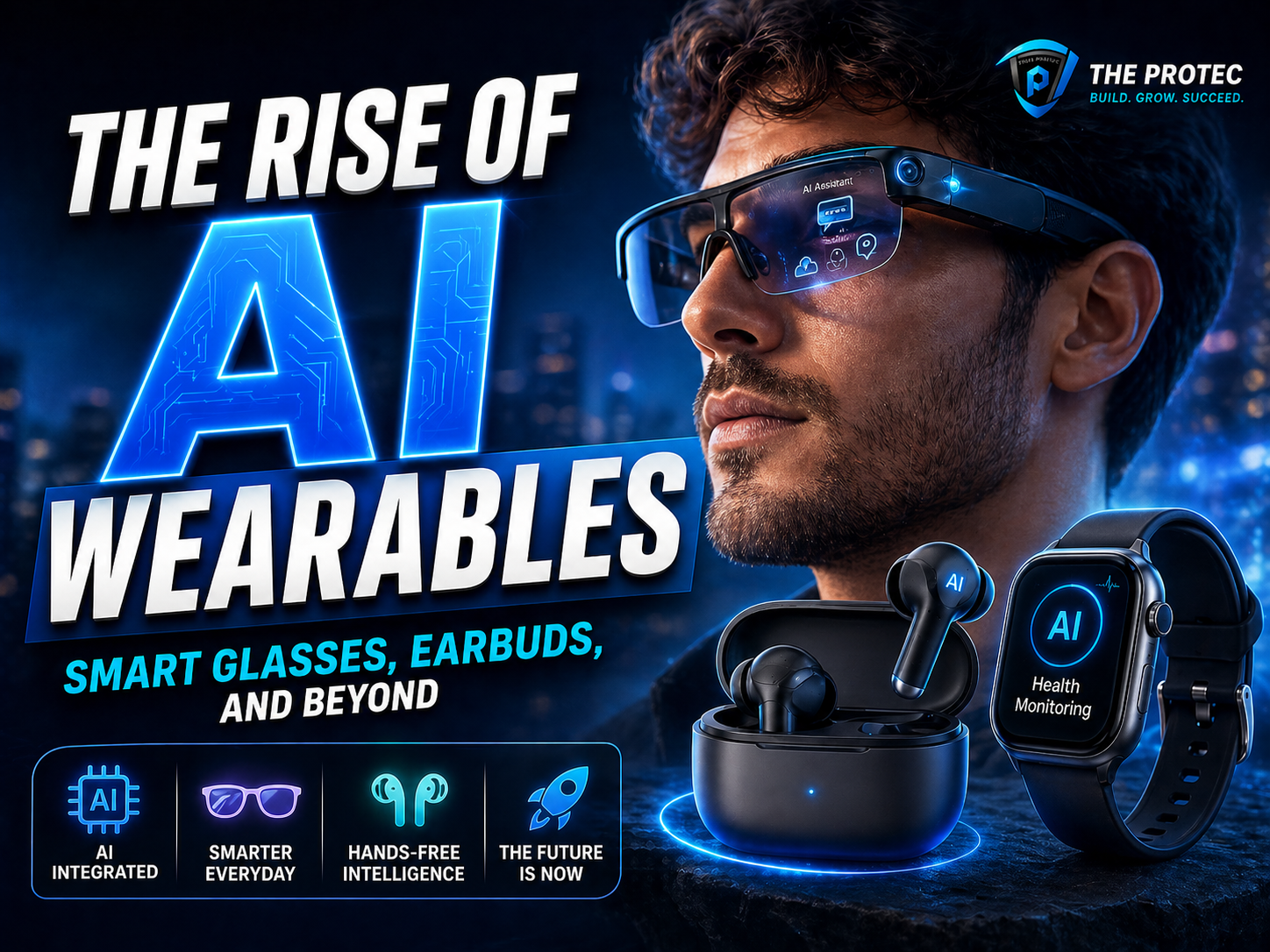
- Smart Glasses AI: Wearable eyewear equipped with heads-up displays, AI-driven voice assistants, and augmented reality (AR) that overlay digital information onto the physical world.
- AI Earbuds: Truly wireless earbuds that offer real-time language translation, adaptive noise cancellation powered by AI, health monitoring, and smart voice interaction capabilities.
- Other AI Devices: Includes smartwatches, fitness trackers, and emerging form factors that integrate AI processors and sensors for continuous health, environment, and user behavior monitoring.
The Expanding Role of AI Wearables Beyond Smartphones
Until recently, smartphones were the primary conduit for AI-powered tasks such as voice assistance, image recognition, and contextual notifications. However, the limitations of smartphones in terms of size, the need for manual engagement, and privacy concerns have motivated the development of AI wearables that offer persistent, effortless intelligence.
AI wearables are designed to work continuously and unobtrusively, delivering highly personalized experiences that adapt in real time. This always-on nature not only enriches productivity but also enhances safety, wellness, and accessibility.
Always-On Contextual Assistance
Smart glasses AI, for example, use integrated cameras and sensors along with AI object recognition to provide users with information about their surroundings without requiring phones. This means getting navigation directions through a discreet heads-up display or receiving live translations as you travel abroad.
Similarly, AI earbuds analyze ambient sound environments continuously, adjusting noise cancellation and providing custom hearing enhancements. They can even detect specific audio cues like alarms or doorbells, alerting wearers who may otherwise miss them.
Hands-Free Interaction and Productivity
These wearables free users’ hands and eyes for more critical tasks, a benefit particularly important in workflows like manufacturing, healthcare, or logistics. Voice-activated AI assistants embedded in earbuds or smart glasses enable multitasking by managing communication, scheduling, and information retrieval at the user’s command without interrupting ongoing activities.
The Latest Innovations in Smart Glasses AI
Smart glass technologies have rapidly advanced, transitioning from conceptual devices to commercially viable products with AI features that enrich user experiences.
Augmented Reality with Intelligent Overlays
The newest generation of smart glasses AI incorporates AR to merge digital content with the real world. By combining AI-powered scene understanding with AR, these devices can display contextual data such as translations, user-specific reminders, or maintenance instructions directly in the wearer’s field of view.
Enhanced Computer Vision and Interaction
Improvements in computer vision enable smart glasses to recognize faces, objects, and gestures seamlessly. This allows for more intuitive interactions without the need for traditional input devices, such as using gaze tracking or voice commands to navigate apps or capture images.
Lightweight and Stylish Designs
One barrier to earlier smart glasses adoption was bulkiness and styling that was far from mainstream fashion. Manufacturers now focus heavily on aesthetics and comfort, ensuring AI devices can be worn all day without inconvenience, boosting acceptance in both consumer and professional markets.
AI Earbuds: The Silent Revolution in Personal AI Devices
AI earbuds have evolved from simple wireless headphones to intelligent personal assistants that enhance hearing, communication, and health.
Real-Time Language Translation
One standout application is live language translation. AI earbuds translate conversations on the fly, breaking down linguistic barriers during travel or business interactions without the user needing to glance at a screen.
Adaptive Sound and Health Monitoring
Using AI algorithms, earbuds dynamically adapt sound profiles based on surroundings and hearing preferences. Additionally, embedded sensors track vital signs such as heart rate, oxygen levels, and physical activity metrics, promoting proactive wellness management.
Privacy-Focused Voice Interaction
Privacy-conscious users benefit from on-device AI processing that limits data transmission to the cloud. Earbuds perform voice recognition, command processing, and noise filtering locally, reducing security risks while maintaining smart assistant capabilities.
Beyond Glasses and Earbuds: Emerging AI Wearables
The innovation wave is extending towards diverse form factors that integrate AI into everyday accessories.
- Smart Rings and Bracelets: Offering discreet notifications, gesture controls, and health tracking with embedded AI.
- AI-Enabled Clothing: Garments with built-in sensors and AI for monitoring posture, temperature, and biometrics.
- Haptic Feedback Devices: Wearables that translate digital cues into physical sensations for enhanced communication and immersion.
These developments suggest a future where AI wearables merge seamlessly with attire and environment, creating a continuous feedback loop between technology and human experience.
Challenges and Considerations
Despite impressive advancements, AI wearables face several challenges:
- Battery Life: Continuous AI processing and sensor use demand efficient power management solutions to ensure practical daily use.
- Privacy and Security: Wearables collect sensitive personal data. Robust encryption, clear consent mechanisms, and on-device AI help mitigate risks.
- Interoperability: Seamless integration with broader ecosystems and devices is critical for user convenience and adoption.
- Affordability and Accessibility: Manufacturing cost reductions and innovative designs are needed to lower entry barriers for mainstream consumers.
The Future Outlook for AI Wearables
The trajectory of AI wearables indicates increasing sophistication and diversity, transforming them from simple accessories into indispensable extensions of ourselves.
As 5G and edge computing mature, the synergy between cloud and device intelligence will unlock new possibilities for these devices. From contextual assistance in professional environments to personalized health and entertainment, AI wearables promise a world where technology is truly ambient and intuitive.
Frequently Asked Questions (FAQ)
How do smart glasses AI differ from traditional AR glasses?
Smart glasses AI integrate advanced artificial intelligence capabilities such as real-time object recognition, contextual data display, and voice interaction, going beyond basic AR visual overlays. They offer more personalized, proactive assistance adapting to the wearer’s environment and needs.
Are AI earbuds secure when processing voice commands?
Modern AI earbuds prioritize on-device AI processing to reduce the amount of data sent to external servers, enhancing privacy. Additionally, manufacturers implement encryption and secure communication protocols to safeguard user information.
What industries benefit most from AI wearables?
Sectors such as healthcare, manufacturing, logistics, and field services benefit greatly by using AI wearables to enhance safety, increase productivity through hands-free access to information, and enable remote expert collaboration.
Conclusion
AI wearables are no longer a futuristic concept; they are actively reshaping how we live and work by embedding intelligence into everyday devices beyond smartphones. Smart glasses AI, AI earbuds, and other emerging devices represent a new wave of technology that prioritizes always-on assistance, seamless interaction, and deep personalization. As these technologies mature, they will become increasingly integral to our digital lives, empowering new forms of connectivity and convenience.
For further insights on emerging wearable AI devices, visit the Wareable AI Wearables Guide.