








Introduction
As wireless technology constantly evolves, Wi-Fi standards continue to push the boundaries of speed, capacity, and reliability. The latest milestone in this advancement is Wi-Fi 7, also known as IEEE 802.11be. Promising unprecedented data rates and reduced latency, Wi-Fi 7 is poised to redefine how we experience online connectivity. But with so many established technologies already available, is upgrading to a Wi-Fi 7 router truly worth it? This article breaks down the benefits of Wi-Fi 7, its compatibility with existing devices, and whether it’s time to invest in the best Wi-Fi 7 routers for a significant internet speed upgrade.
Understanding Wi-Fi 7 and Its Core Benefits
Wi-Fi 7 represents the newest generation of wireless networking, designed to accommodate the growing demands for faster speeds and more simultaneous connections. Here are the key benefits that set the Wi-Fi 7 router apart from its predecessors:
1. Blazing Fast Speeds Up to 46 Gbps
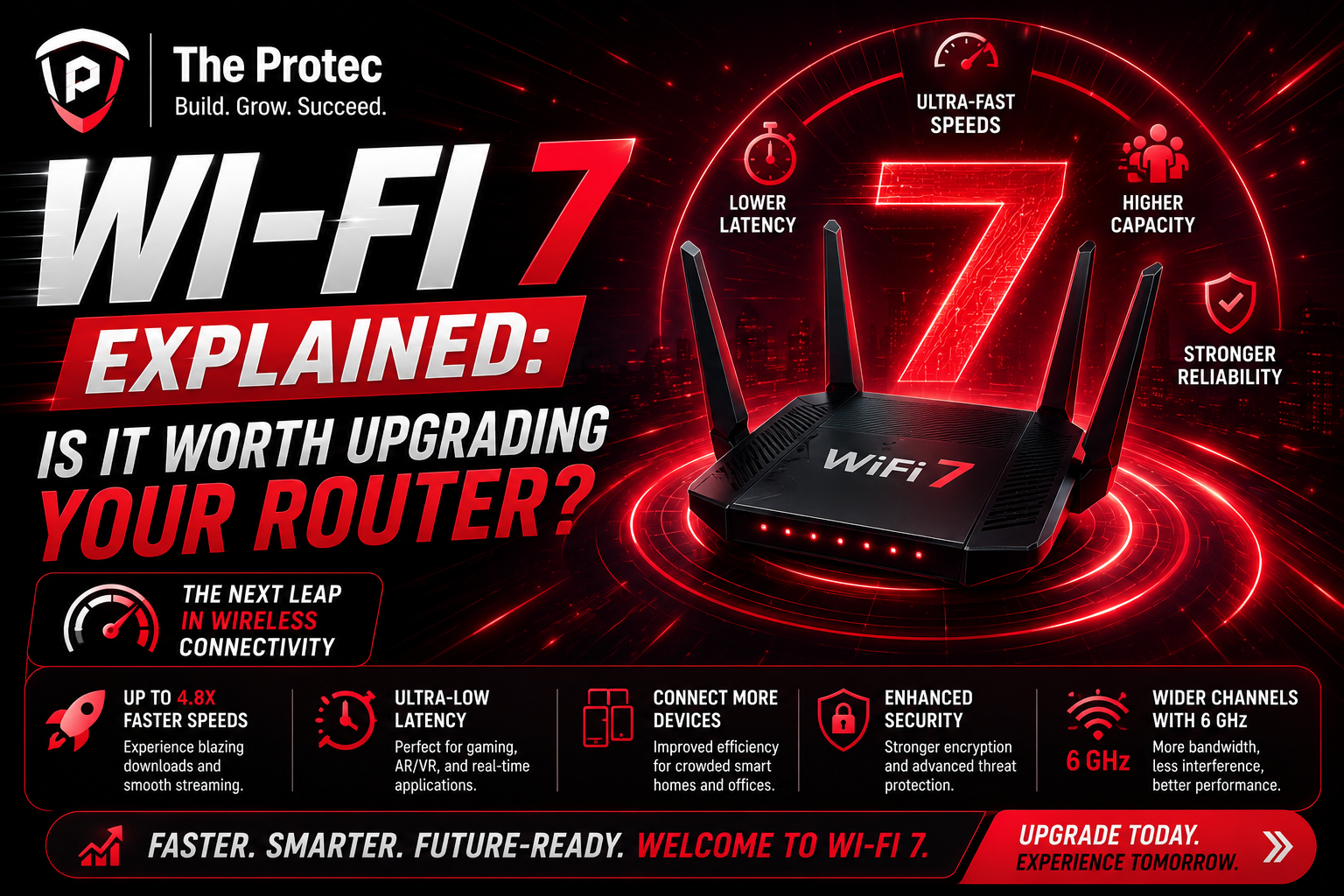
Wi-Fi 7 supports a theoretical maximum speed of up to 46 Gbps, nearly three times the peak throughput of Wi-Fi 6 and 6E. This leap is made possible through wider channel bandwidths of up to 320 MHz and the use of faster modulation schemes like 4096-QAM, which significantly enhance data transfer rates.
2. Multi-Link Operation for Seamless Connectivity
One of Wi-Fi 7’s standout features is Multi-Link Operation (MLO), which enables devices to connect across multiple frequency bands simultaneously 2.4 GHz, 5 GHz, and 6 GHz. This approach optimizes usage of available spectrum, minimizes latency, and improves overall network reliability, especially in environments crowded with competing wireless signals.
3. Reduced Latency and Improved Efficiency
Wi-Fi 7 introduces enhancements in scheduling algorithms and OFDMA (Orthogonal Frequency Division Multiple Access) improvements allowing finer allocation of spectrum resources. These technical refinements translate into reduced latency, which is crucial for applications like online gaming, AR/VR streaming, and real-time collaboration tools.
4. Enhanced Support for Multiple Devices
Modern households and workplaces have dozens of connected devices. Wi-Fi 7’s improved MU-MIMO (Multi-User Multiple Input Multiple Output) capabilities allow the router to communicate with multiple devices simultaneously and more efficiently, dramatically improving network performance in dense device environments.
Compatibility: What You Need to Know Before Upgrading
While the technical perks of Wi-Fi 7 sound compelling, practical considerations about compatibility play a crucial role in deciding whether to upgrade.
1. Device Compatibility and Adoption
For Wi-Fi 7 to make a real difference, both your router and connected devices must support the new standard. While several flagship smartphones, laptops, and smart home gadgets are beginning to include Wi-Fi 7 capabilities, the market penetration is still in its infancy. Checking the specifications of your devices is a prerequisite before investing in a Wi-Fi 7 router.
2. Backward Compatibility
Wi-Fi 7 routers are designed to be backward compatible with earlier Wi-Fi standards like Wi-Fi 6, 5, and even older versions. This means they will work with your existing devices but will not deliver the enhancements and speed those older devices can’t support. This compatibility ensures that upgrading your router won’t disrupt your network but highlights that the upgrade benefits depend on device support.
3. Network Environment Considerations
Environments with high network congestion, such as apartment complexes or busy offices, stand to benefit the most from Wi-Fi 7’s Multi-Link Operation and advanced spectrum management. Conversely, if you live in a small home or have fewer connected devices, the advantage might be less pronounced.
Is the Wi-Fi 7 Internet Speed Upgrade Noticeable?
Wi-Fi 7 promises impressive technical specifications, but the real question for most users is: will I feel a tangible difference?
1. Enhanced Streaming and Gaming
Users who rely heavily on 4K/8K video streaming, cloud gaming, VR, and AR applications will notice Wi-Fi 7’s ultra-low latency and high throughput benefits. Buffering times reduce dramatically, and multi-user environments experience fewer bottlenecks, leading to smoother immersive experiences.
2. Future-Proofing Your Network
As internet service providers increase speed offerings and new bandwidth-heavy applications emerge, Wi-Fi 7 provides a reliable future-proof platform. Investing in one of the best Wi-Fi 7 routers today can safeguard your network’s performance for several years, accommodating faster internet plans and more connected devices without needing frequent upgrades.
3. Real-World Speed Gains Depend on ISP and Devices
It’s important to remember that internet speed is also dependent on your ISP plan and the hardware capabilities of your devices. Upgrading to Wi-Fi 7 will yield the most benefits if paired with a high-speed internet plan (e.g., gigabit fiber) and compatible client devices that support Wi-Fi 7. Without this synergy, speed improvements may be less obvious.
Choosing the Best Wi-Fi 7 Router for Your Needs
Selecting the right Wi-Fi 7 router ensures you capitalize on new technology without overspending. Here are factors to consider when shopping for the best Wi-Fi 7 routers:
- Coverage Area: Consider routers with multiple high-gain antennas or mesh system compatibility if you need extended coverage across larger homes or offices.
- Advanced Features: Look for routers supporting Multi-Link Operation, 320 MHz channel bandwidth, and enhanced MU-MIMO for optimized performance.
- Processor and RAM: High-performance processors and sufficient RAM in routers aid in handling complex traffic efficiently, especially in multi-user environments.
- Security Protocols: Ensure the router supports the latest WPA3 encryption standards for robust protection against cyber threats.
- Price vs Performance: Wi-Fi 7 routers currently represent premium products. Evaluate if the additional features justify the cost based on your specific use cases and device ecosystem.
When Should You Upgrade to Wi-Fi 7?
Deciding whether to upgrade your router now depends on your current network performance, device ecosystem, and future connectivity plans.
1. Existing Network Issues
If your current Wi-Fi suffers from congestion, slow speeds, or unreliable coverage especially with many connected devices upgrading to a Wi-Fi 7 router can provide immediate improvements.
2. Owning or Planning to Buy Wi-Fi 7 Devices
Users already using Wi-Fi 7 compatible devices or planning to invest in the latest smartphones, laptops, or smart home gadgets will benefit more significantly from an upgrade now.
3. Preparing for High-Speed Internet Plans
If you have access to or anticipate subscribing to multi-gigabit internet services, Wi-Fi 7 routers can unlock the full potential of those high speeds within your local network.
4. Gaming and Media Creators
For competitive gamers and content creators who demand the lowest latency and highest reliability, Wi-Fi 7 offers tangible enhancements in network performance.
5. Waiting for Broader Adoption
If your current setup meets your needs and you don’t own Wi-Fi 7 devices, it’s reasonable to wait. Market adoption is increasing, and prices for Wi-Fi 7 routers are expected to become more accessible as production scales.
Frequently Asked Questions about Wi-Fi 7 Routers
Q1: Can I use a Wi-Fi 7 router with older Wi-Fi devices?
Yes, Wi-Fi 7 routers are backward compatible with older Wi-Fi standards such as Wi-Fi 6, 5, and earlier. However, the older devices won’t experience Wi-Fi 7’s speed and efficiency benefits.
Q2: How much faster is Wi-Fi 7 compared to Wi-Fi 6?
Wi-Fi 7 offers theoretical speeds up to 46 Gbps, approximately three times faster than Wi-Fi 6’s maximum of 9.6 Gbps under ideal conditions, enabled by wider channels and advanced modulation.
Q3: Do I need Wi-Fi 7 to stream 4K videos smoothly?
No, Wi-Fi 6 and even some older routers can handle 4K streaming well. Wi-Fi 7 mainly benefits users needing multiple concurrent high-bandwidth activities or extremely low latency.
Conclusion
Wi-Fi 7 technology introduces compelling improvements in speed, latency, and multi-device management that mark a significant advancement in wireless networking. If you require top-tier performance for gaming, high-resolution media, or operate networks with many devices, upgrading to a Wi-Fi 7 router can deliver a meaningful internet speed upgrade and future-proof your home or office environment. However, for casual users with older devices or modest network demands, it may be prudent to wait until Wi-Fi 7 becomes more widely adopted and pricing becomes more affordable. Ultimately, assessing your specific network needs and device ecosystem is key to deciding if now is the right time to embrace Wi-Fi 7.
For more detailed information on Wi-Fi standards and router recommendations, you may find the Wi-Fi Alliance resource helpful.