
DeepSeek Open-Sourced DeepInfer, but Most Developers Can’t Run It
Open-Sourced DeepInfer opens part of DeepSeek production inference technology, but narrow hardware support and missing serving components limit who can use it.









Open-Sourced DeepInfer opens part of DeepSeek production inference technology, but narrow hardware support and missing serving components limit who can use it.
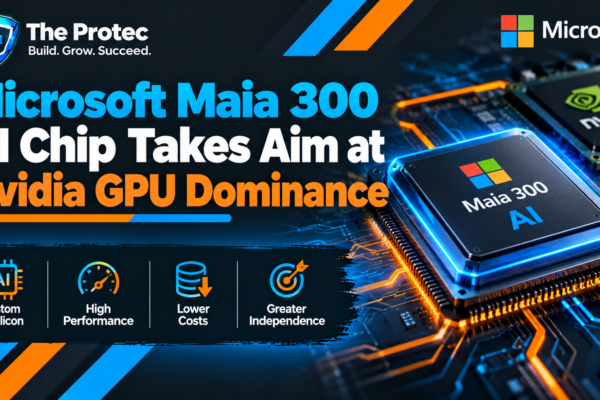
Microsoft Maia 300 accelerator advances its custom silicon strategy, promising more efficient AI inference chip and greater control over Azure’s infrastructure.

AI companies are competing for more than chips. Discover how GPU availability, electricity, networking and cloud contracts determine who can build and scale.

Microsoft Surface Laptop Ultra combines an NVIDIA RTX Spark Superchip, 128GB of unified memory and local AI support for models exceeding 120 billion parameters.

A reported Apollo-led financing effort could help SpaceX acquire Nvidia AI chips, highlighting the soaring cost and strategic importance of computing infrastructure.

Ghost AI’s Core is a local-first personal computer built to run private, persistent AI agents—not a desktop PC with another chatbot attached.
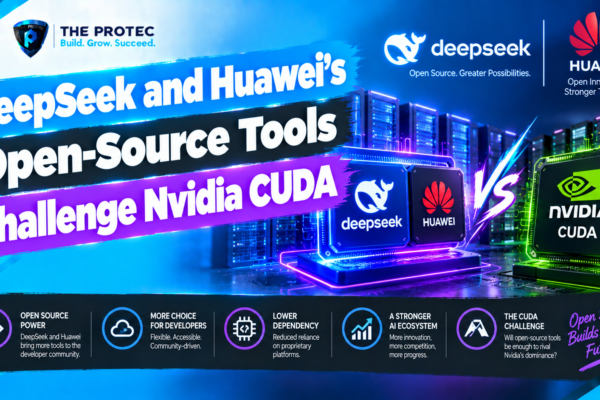
DeepSeek and Huawei are expanding the Ascend software stack with open-source tools for AI kernels, matrix operations and Mixture-of-Experts communication that can Challenge Nvidia CUDA.

Federal prosecutors accuse Earthmade Computer owner Greg Lui of using false records and third-country routes to move export-controlled Nvidia AI servers to China.
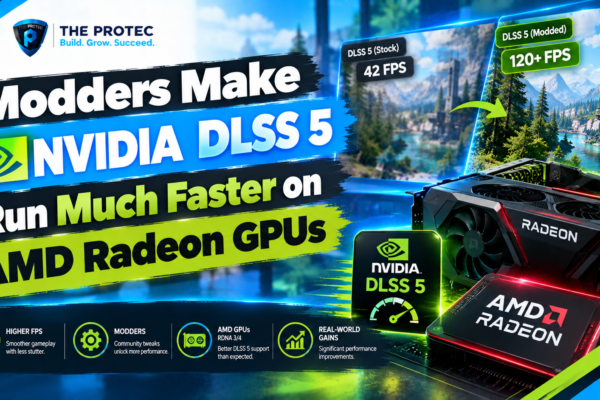
The unofficial DLSS-NR-on-AMD project is using Radeon-optimized kernels and a new AMDNR Launcher to make NVIDIA DLSS 5 Neural Rendering faster and easier to run on AMD GPUs.
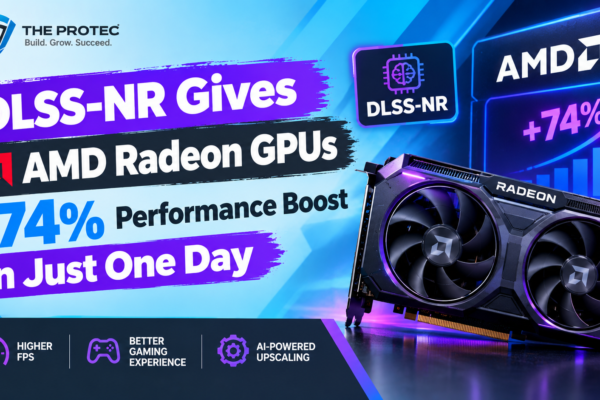
A reported one-day optimization effort gave DLSS-NR a 74% speedup on AMD Radeon hardware, highlighting the cross-vendor potential of neural rendering.
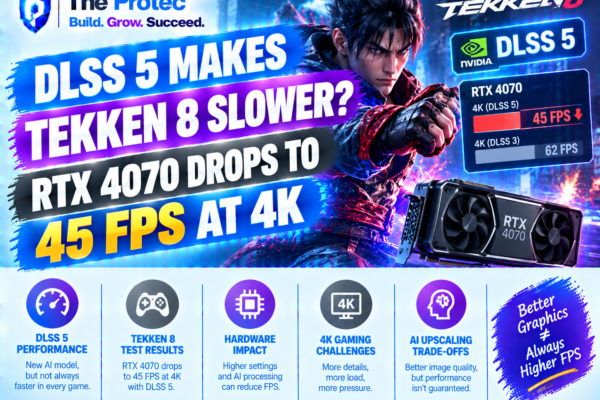
An experimental OptiScaler test cut Tekken 8 performance on an RTX 4070 from a locked 60 FPS to roughly 45 FPS at 4K. Here is why the unofficial result needs context.

GLM’s large-scale inference platform shows how GPU orchestration, distributed serving, and AI-assisted engineering are converging into a new model for building AI infrastructure.

Lucid and Bolt plan to deploy at least 25,000 autonomous robotaxis across Europe, combining Lucid’s midsize platform with Nvidia Hyperion technology.

King Charles III brought Jensen Huang and leaders from the world’s most influential AI companies to Dumfries House for a high-level discussion about safeguards, misuse, human control and the societal impact of increasingly capable AI.
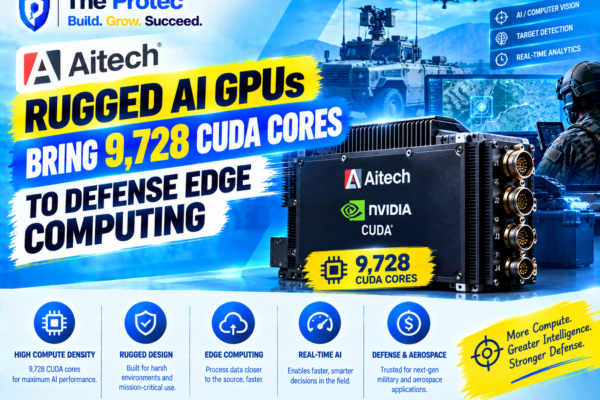
Aitech rugged AI GPGPU boards bring high-performance NVIDIA acceleration closer to defense sensors, vehicles, and mission systems, offering up to 9,728 CUDA cores in hardware engineered for demanding edge environments.
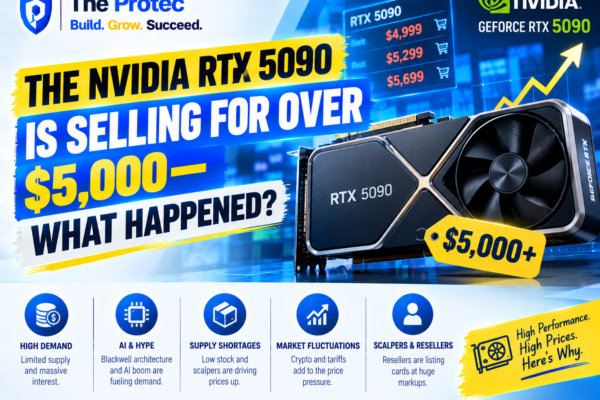
The RTX 5090 launched with a $1,999 MSRP, yet some U.S. listings now exceed $5,000. Here is what is driving the gap and whether buyers should pay it.

A reported DLSS 5 reference in NBA 2K27 has sparked speculation about NVIDIA’s next leap in neural rendering, image quality, frame generation, and gaming performance.

Google’s $12.2 billion AI chip commitment signals a decisive shift toward custom silicon, challenging NVIDIA on cost, efficiency, supply, and scale.

Qualcomm is pushing hard into AI chips, data centers, and on-device intelligence. Here’s whether Qualcomm AI can truly challenge NVIDIA beyond smartphones.

A high-stakes AI chips comparison of NVIDIA, AMD, and Intel as they battle for AI hardware dominance, data center scale, and the AI semiconductor market.