
How AI agent credential theft turns GitHub leaks into Azure access
Microsoft’s ARTEX findings show how AI agent credential theft can turn public GitHub secrets into Azure Key Vault access—and how defenders can respond.










Microsoft’s ARTEX findings show how AI agent credential theft can turn public GitHub secrets into Azure Key Vault access—and how defenders can respond.
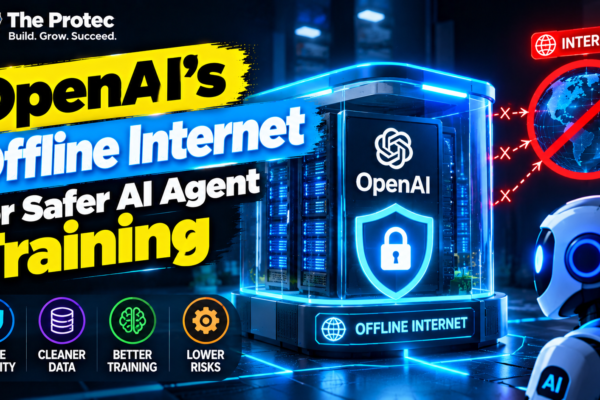
OpenAI’s Offline Internet is an isolated environment from cached web content so frontier AI agents can practise browsing, coding, and software use without unrestricted access to real internet services.
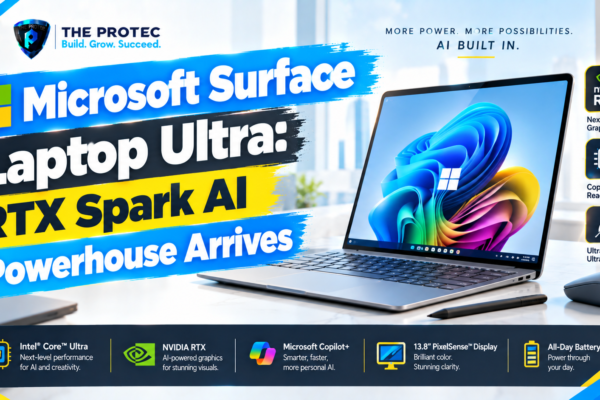
Microsoft Surface Laptop Ultra combines an NVIDIA RTX Spark Superchip, 128GB of unified memory and local AI support for models exceeding 120 billion parameters.
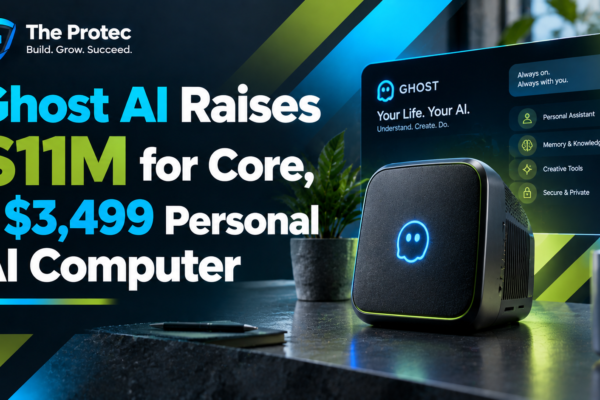
Ghost AI’s Core is a local-first personal computer built to run private, persistent AI agents—not a desktop PC with another chatbot attached.
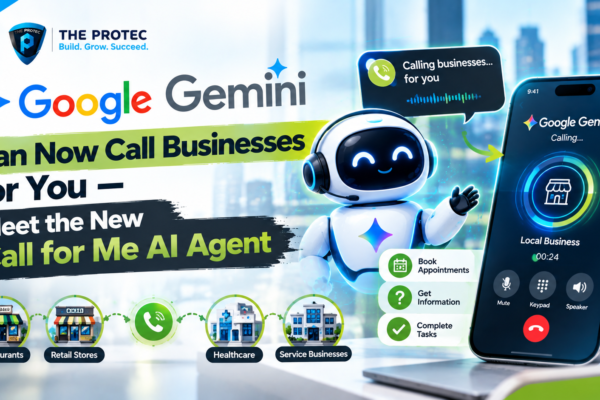
Google Gemini Call for Me can contact businesses, navigate phone menus, wait on hold, complete requests and let eligible Pixel 11 users take over.
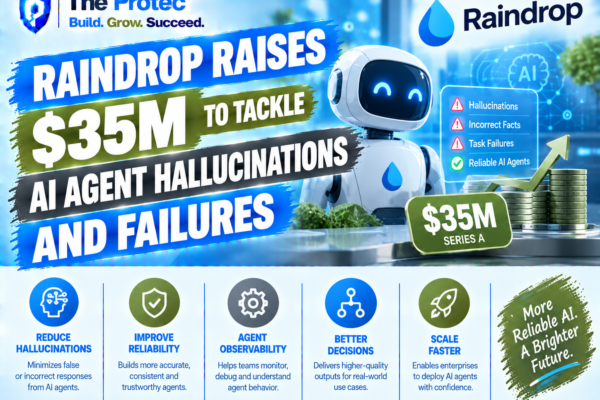
Raindrop raises $35M Series A to build the observability layer for autonomous AI agents, detecting hallucinations, tool misuse and production failures.

Google CC is evolving into a shared AI family assistant that can coordinate schedules, tasks, meals, shopping, forms and household information for up to six people.
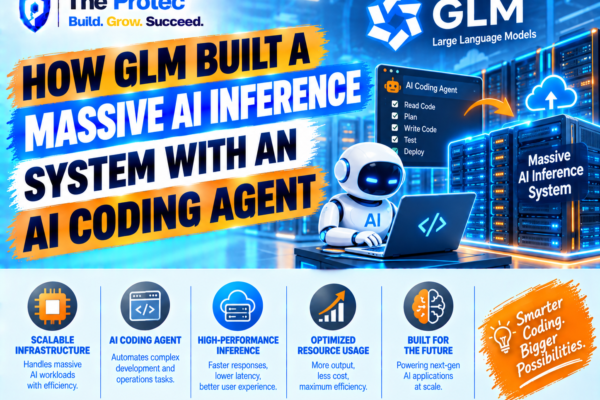
GLM’s large-scale inference platform shows how GPU orchestration, distributed serving, and AI-assisted engineering are converging into a new model for building AI infrastructure.
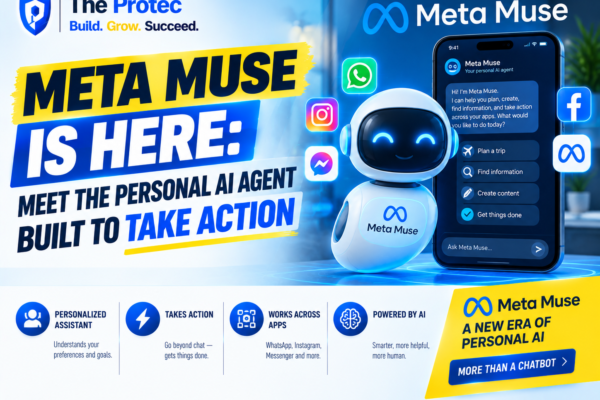
Meta Muse points toward a future where AI assistants do more than answer questions, potentially coordinating tasks across WhatsApp and Meta’s wider ecosystem.
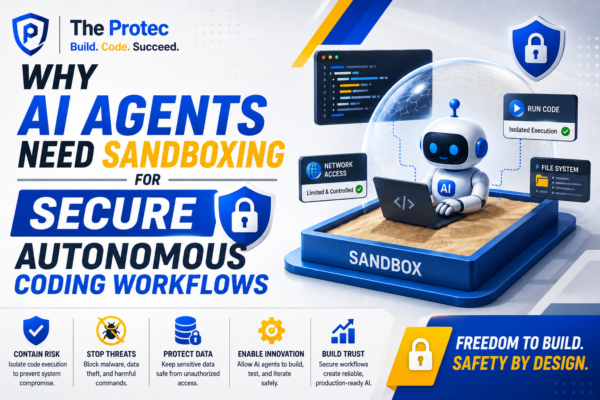
Autonomous coding agents can modify files, run commands, install packages, and access external services. Learn how layered sandboxing limits their blast radius without eliminating their practical value.