








Contents
Introduction
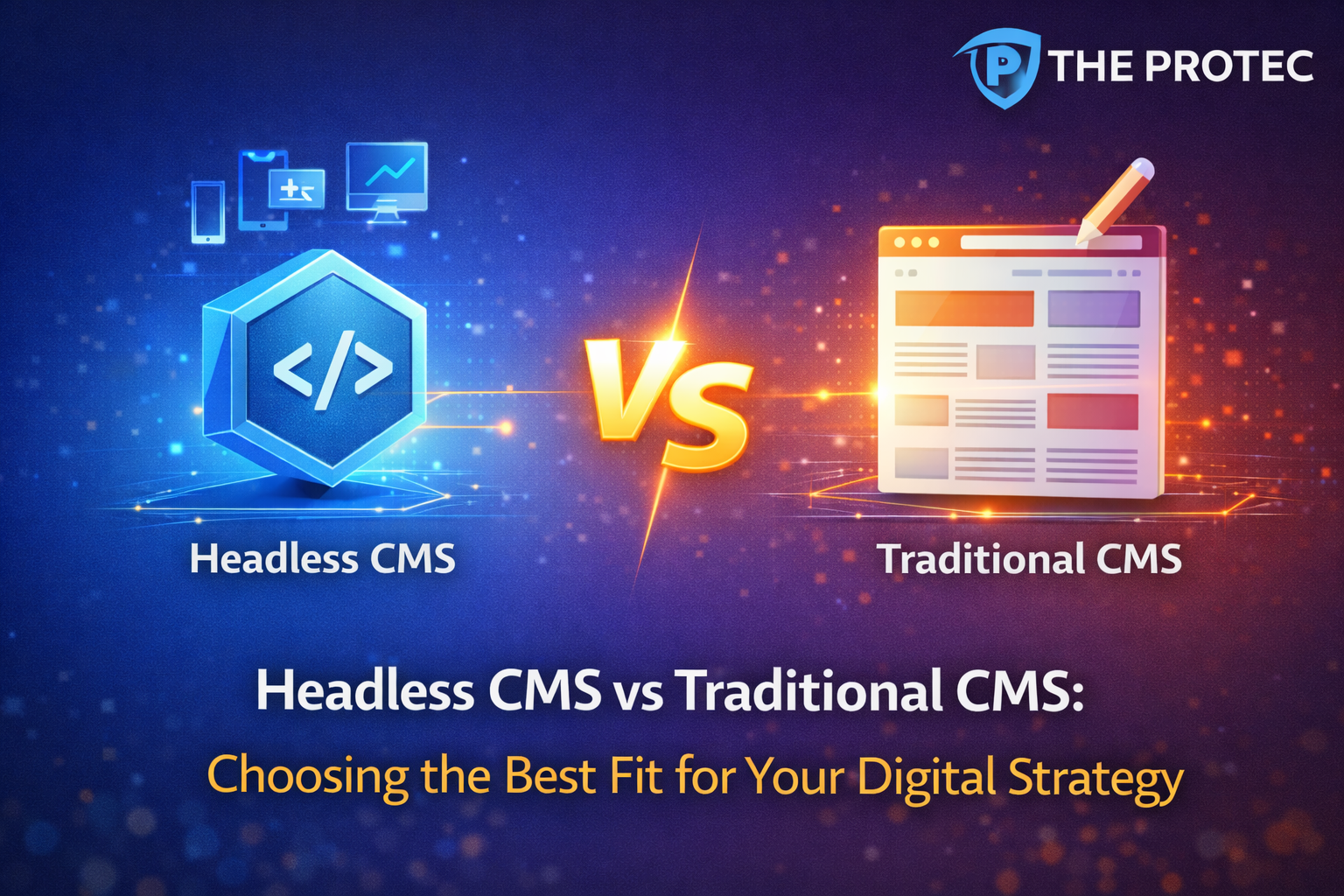
With the rapid evolution of digital content delivery, businesses and developers continuously face the challenge of selecting the most suitable content management system (CMS). The debate between headless CMS and traditional CMS has grown especially pertinent as organizations demand greater flexibility, scalability, and faster deployment across multiple channels. This article dives deep into the nuances of each approach, comparing their capabilities, particularly focusing on headless CMS, WordPress alternatives, and the emergence of API-first CMS solutions. Whether you are a developer, marketer, or decision-maker, understanding these differences is vital for future-proofing your digital infrastructure.
Understanding Traditional CMS
Traditional CMS platforms have powered the web for decades. Their hallmark is the integrated architecture where the backend (content repository and management) and frontend (presentation layer) are tightly coupled. WordPress stands as a prime example, known for its ease of use, extensive plugin ecosystem, and out-of-the-box templates.
Key Features of Traditional CMS
- Monolithic Structure: Backend and frontend operate as a single system.
- User-friendly Interface: Often includes WYSIWYG editors and simple workflows for content creators.
- Pre-built Themes and Plugins: Rapid site creation without heavy coding.
- Hosting and Deployment: Typically runs on a server or hosting environment tailored for the CMS.
Advantages of Traditional CMS
- Low barrier to entry for non-technical users.
- Robust community support with mature ecosystems (e.g., WordPress plugins).
- Cost-effective for small-to-medium websites or blogs.
Limitations of Traditional CMS
While traditional CMS platforms are well-established, they face challenges in today’s omnichannel landscape. The tight coupling restricts flexibility in delivering content beyond standard web pages. Performance may suffer under heavy traffic or complex integrations. Additionally, migrating to new platforms or redesigning frontend experiences often requires significant redevelopment efforts.
What Is a Headless CMS?
A headless CMS is a backend-only content management system that decouples the content repository from the presentation layer. Using an API-first CMS approach, content is managed centrally and delivered via APIs to any frontend or digital channel, including websites, mobile apps, IoT devices, and digital signage.
Core Characteristics of Headless CMS
- API-Driven Delivery: Content is exposed through RESTful or GraphQL APIs.
- Frontend Agnostic: Developers have full freedom to choose technologies like React, Vue, or native mobile frameworks.
- Omnichannel Readiness: Enables content reuse across multiple platforms efficiently.
- Scalability and Flexibility: Easily scales horizontally and integrates with modern architectures including microservices.
Benefits of Headless CMS
- Unparalleled flexibility in frontend design and user experience.
- Improved performance with selective content delivery and caching.
- Future-proofing content as new devices and channels emerge.
- Stronger security boundaries since frontend and backend are separate.
Potential Downsides
The headless model requires a more technically proficient team since it lacks out-of-the-box themes and WYSIWYG page builders. Initial setup can be more involved, and editorial teams may need customized interfaces or third-party tools to manage content effectively.
Flexibility Comparison: Traditional CMS vs Headless CMS
Flexibility is one of the primary considerations when evaluating CMS options.
Traditional CMS Flexibility
- Offers a fixed set of themes and content display patterns.
- Less freedom in user interface design, constrained by the CMS’s templating system.
- Plugins may extend functionality but can also introduce compatibility issues.
Headless CMS Flexibility
- Empowers developers to build completely custom frontends using modern frameworks.
- Supports headless commerce, voice assistants, AR/VR, and other emerging tech.
- Enables content reuse across diverse platforms without redevelopment.
Overall, headless CMS offers significantly greater flexibility to innovate and customize user experiences beyond traditional web constraints.
Scalability: Which System Handles Growth Better?
As digital properties grow in traffic, user base, and content complexity, scalability becomes crucial.
Scalability in Traditional CMS
- Scaling often involves vertical scaling (upgrading server resources).
- Monolithic architecture may create bottlenecks, especially in complex sites.
- Caching plugins and CDNs help, but fundamental architecture may limit large-scale, multi-channel strategies.
Headless CMS Scalability
- Built with modern cloud-native principles, easily scaling horizontally.
- Decoupled frontend and backend allow independent scaling and deployment.
- Content APIs can be optimized and cached separately, enhancing performance under heavy loads.
- Efficient for global, multi-lingual, and omnichannel deployments.
API-first CMS systems provide superior scalability suited for businesses anticipating rapid growth or demanding seamless omnichannel content delivery.
Real-World Implementation Scenarios
Choosing between headless and traditional CMS often comes down to specific project requirements and organizational capabilities.
When Traditional CMS Shines
- Blogs and Content-Heavy Sites: Simple editorial workflows and quick publishing.
- Small Businesses and Startups: Limited budgets and straightforward web presence needs.
- Organizations Requiring Minimal Customization: Use of existing templates accelerates time to market.
- Less Technical Teams: Non-developers benefit from simple interfaces.
Headless CMS In Action
- Enterprise-Level Digital Experiences: Complex multi-site, multilingual, multi-channel content management.
- Omnichannel Strategies: Delivering consistent content across mobile apps, kiosks, voice platforms, and websites.
- Innovative Frontends: Progressive web apps (PWAs), Single Page Applications (SPAs), and emerging technologies needing custom UIs.
- High-Traffic Environments: Businesses that require dynamic scaling and enhanced security.
Exploring WordPress Alternatives
While WordPress reigns in traditional CMS, many developers seek modern WordPress alternatives that offer headless or hybrid approaches. Platforms such as Contentful, Strapi, Sanity, and Prismic blend the ease of content management with API-driven capabilities.
These platforms fit well within a decoupled architecture, providing powerful content modeling, scalable infrastructure, and rich APIs for frontend innovation.
Decision-Making Factors
Ask yourself the following when choosing your CMS approach:
- What channels and devices must your content support?
- Does your team have the expertise to manage frontend development?
- What are your scalability needs and anticipated growth?
- How critical is rapid content publishing versus custom experience design?
An honest evaluation aligned with business goals will steer you toward the solution that balances flexibility, scalability, and user experience.
FAQ
What exactly is an API-first CMS and why is it important?
An API-first CMS prioritizes delivering content via APIs, allowing developers to fetch and display content on any device or platform. This design is essential for headless CMS, enabling seamless integration with modern frontend frameworks and supporting omnichannel strategies.
Can I convert a traditional CMS like WordPress into a headless CMS?
Yes, WordPress can be configured as a headless CMS by using its REST API or GraphQL plugins, decoupling the backend content management from the frontend presentation. However, this requires technical expertise to build and maintain a separate frontend.
Which CMS type is better for e-commerce?
Headless CMS often outperforms traditional CMS in e-commerce scenarios due to its flexibility in delivering personalized content, integrating with various services, and scaling efficiently during peak traffic. Nevertheless, some traditional platforms with strong e-commerce plugins may suffice for simpler stores.