






Introduction
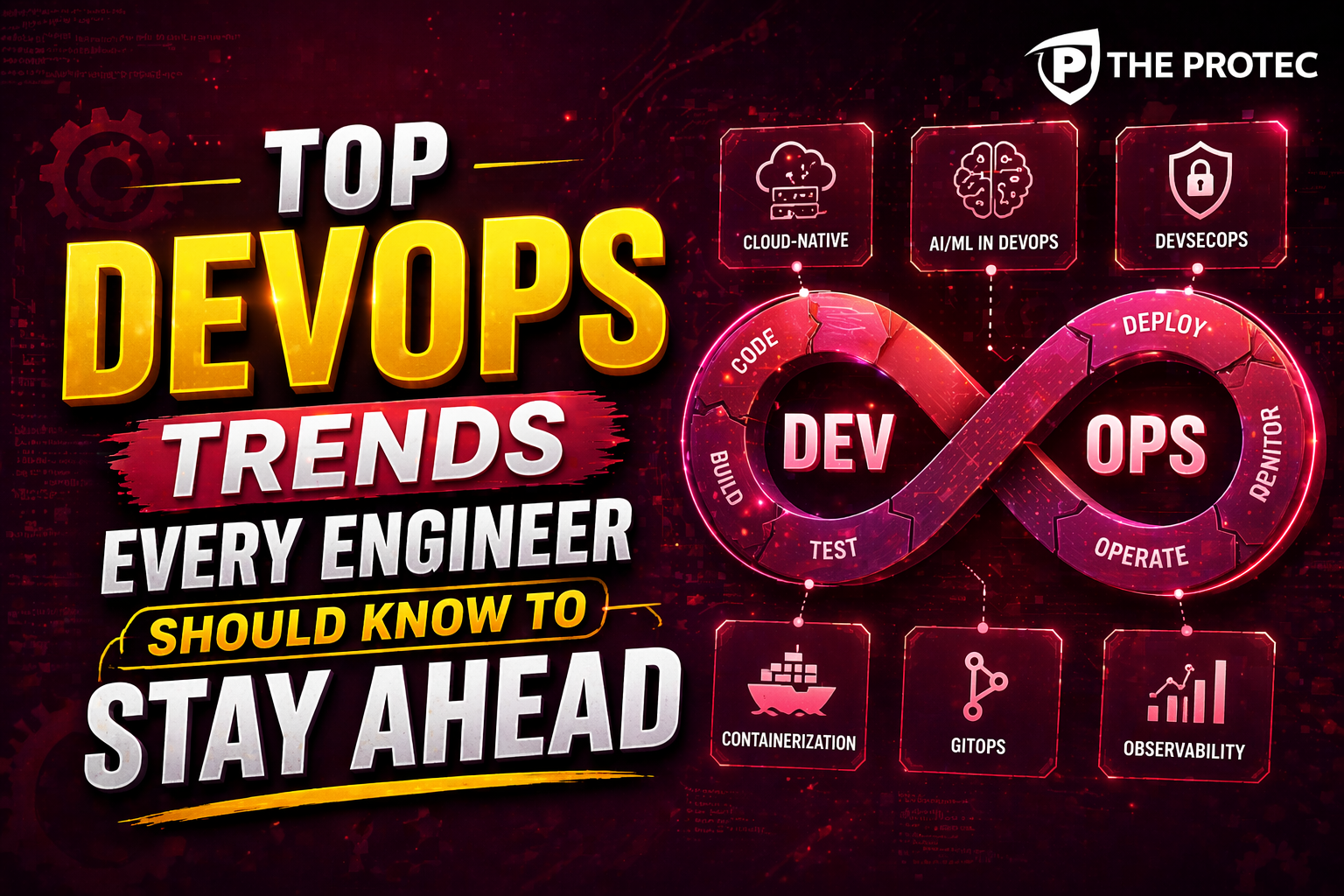
As organizations strive to accelerate software delivery and improve operational efficiency, DevOps continues to evolve rapidly. Staying ahead means more than just adopting automation or continuous integration and continuous deployment (CI/CD) pipelines, it requires mastering the latest trends poised to redefine how software is built, tested, and deployed. For engineers committed to delivering value faster while maintaining reliability, understanding these emerging DevOps practices is crucial.
This article dives into the top DevOps trends that every engineer should know, focusing on advancements like AIOps, sophisticated automation pipelines, and innovative CI/CD enhancements. By embracing these trends, teams can boost productivity, improve system resilience, and set the stage for future-proof software delivery.
1. The Rise of AIOps: Intelligent Operations Automation
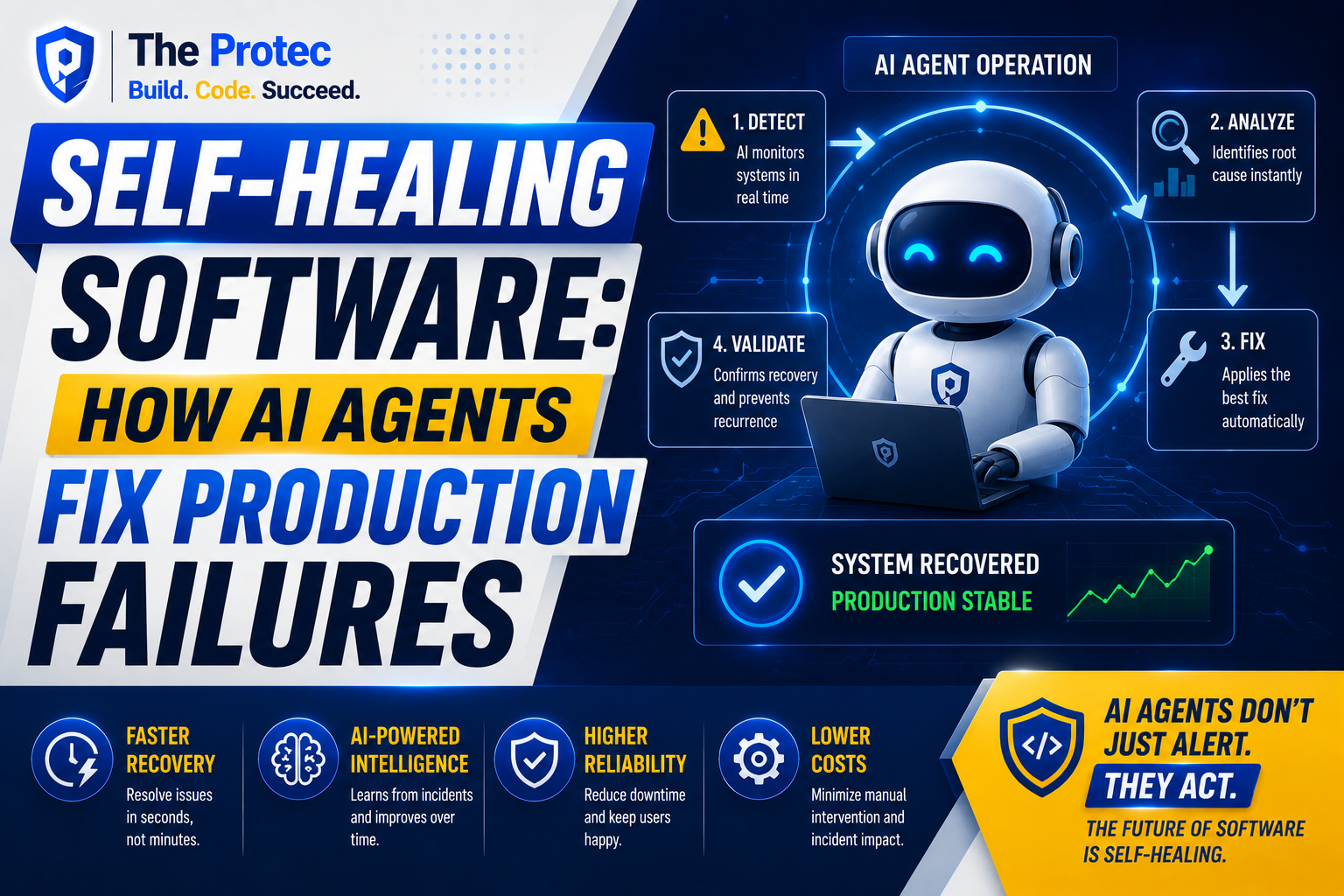
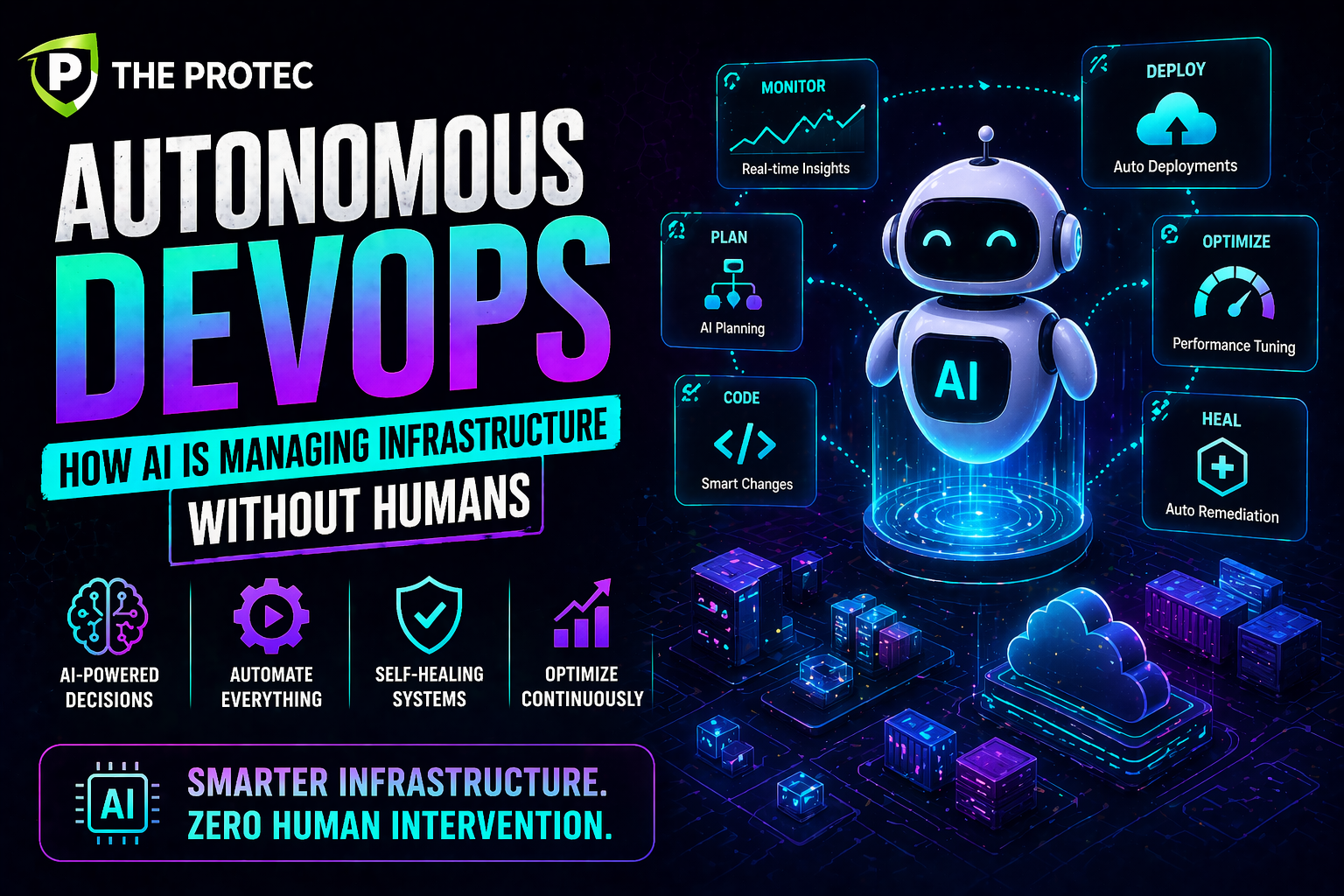
AIOps (Artificial Intelligence for IT Operations) is transforming how teams manage and optimize complex IT environments. By leveraging machine learning and big data analytics, AIOps platforms can analyze vast amounts of operational data to detect anomalies, predict failures, and automate issue resolution.
For DevOps engineers, this means less manual troubleshooting and faster incident response. AIOps enhances observability by correlating data from various sources such as logs, metrics, and events, helping teams to pinpoint root causes more efficiently. In addition, it can drive automation by triggering remediation workflows with minimal human intervention.
Integrating AIOps into DevOps pipelines boosts overall system stability, allowing engineers to focus on strategic improvements rather than firefighting. Tools like Dynatrace and Moogsoft are pioneers in this space, providing seamless integration with DevOps toolchains.
2. Next-Level Automation Pipelines
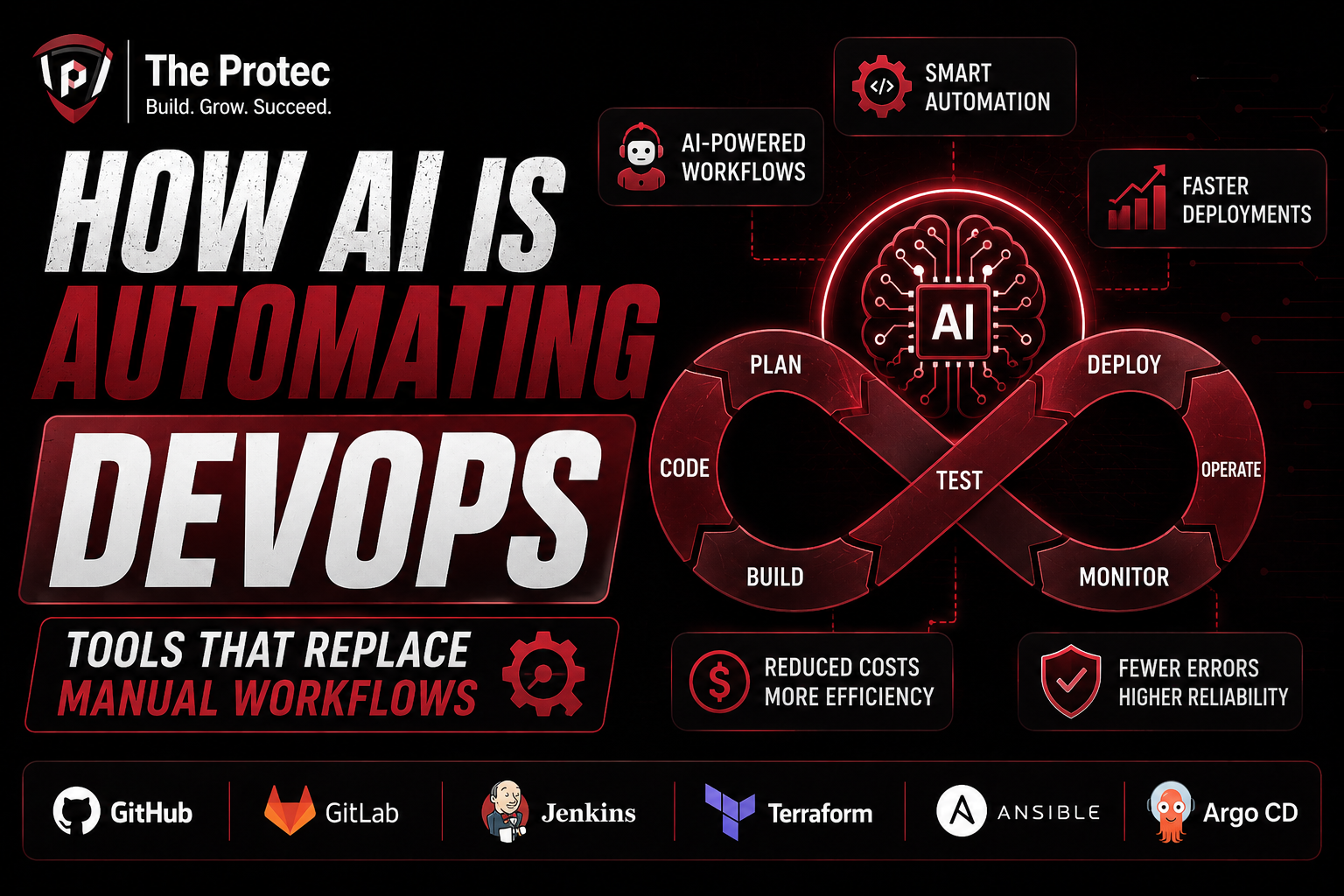
Automation continues to be the backbone of effective DevOps, but the landscape is shifting beyond simple scripted workflows. Today, automation pipelines are becoming more intelligent, modular, and adaptive integrating advanced capabilities such as event-driven triggers, policy enforcement, and automated compliance checks.
Modern automation pipelines emphasize end-to-end orchestration that spans development, testing, deployment, and monitoring phases. This means developers can rely on pipelines that not only build and test code but also validate security policies, manage infrastructure as code (IaC), and automatically roll back in case of failures.
Declarative pipelines using frameworks like Jenkins X, GitLab CI, and Tekton enable engineers to define these sophisticated workflows as code, enhancing reproducibility and maintainability. Furthermore, the integration of chatbots and AI assistants into pipelines is improving interaction and visibility, allowing teams to trigger jobs and receive real-time updates via collaboration platforms.
3. CI/CD: Continuous Evolution and Innovation
Continuous Integration and Continuous Deployment remain central to DevOps, but their scope is expanding with innovations designed to speed up feedback loops and improve delivery fidelity.
One significant trend is the adoption of progressive delivery techniques, such as canary releases, blue-green deployments, and feature flags. These strategies enable teams to release changes incrementally, minimizing risk and gathering targeted user feedback before full rollout.
Another innovation involves integrating security testing directly into CI/CD pipelines known as DevSecOps. Automated vulnerability scanning, static analysis, and compliance verification help identify issues early, ensuring that security does not become a bottleneck.
Cloud-native build tools and serverless CI/CD pipelines are also gaining traction, allowing for more scalable, on-demand infrastructure that reduces costs and accelerates build times.
4. Enhanced Observability and Monitoring
With increasing complexity in distributed systems and microservices architectures, observability has become a top priority in DevOps practices. Engineers are adopting comprehensive monitoring solutions that combine metrics, traces, and logs to provide a complete picture of application performance and health.
New approaches include the usage of OpenTelemetry standards, which enable consistent data collection across heterogeneous environments. Observability platforms powered by AI further help interpret this data, proactively alerting teams to potential issues or performance degradations.
Better observability accelerates mean time to resolution (MTTR) and supports continuous improvement by revealing bottlenecks and opportunities for optimization throughout the development lifecycle.
5. Infrastructure as Code and Policy as Code
Infrastructure as Code (IaC) has matured into a critical DevOps practice that allows teams to provision and manage infrastructure using declarative configuration files. Combined with Policy as Code where security and governance policies are defined as code and automatically enforced organizations achieve greater consistency and compliance.
Emerging tools and frameworks enhance this trend by integrating policy validation directly into CI/CD pipelines. For example, Open Policy Agent (OPA) enables flexible, programmable policies that can be checked early during infrastructure deployment, preventing misconfigurations and security risks.
This approach not only reduces manual errors but also empowers engineers to move fast without sacrificing control or compliance.
6. Collaborative DevOps with GitOps
GitOps continues to gain popularity as a model for managing Kubernetes clusters and cloud-native applications. By using Git repositories as the single source of truth for both application code and infrastructure configurations, teams achieve improved version control, traceability, and rollback capabilities.
GitOps practices promote collaboration across development, operations, and security teams by making changes transparent and auditable. Automated agents continuously reconcile the desired state defined in Git with the actual state of environments, simplifying deployment management.
Tools such as Argo CD, Flux, and Weaveworks enable engineers to implement GitOps efficiently, aligning well with the principles of declarative infrastructure and automation pipelines.
7. Edge Computing and DevOps
With the rise of edge computing, where processing happens closer to the data source, DevOps practices are extending beyond centralized data centers. Managing deployments, monitoring, and updates across distributed edge nodes requires new automation strategies and tooling.
Engineers are developing CI/CD pipelines tailored for edge devices, incorporating remote orchestration and lightweight observability to maintain performance and reliability. Security at the edge also demands automated compliance checks integrated into the delivery workflows.
As edge computing grows, DevOps will play a vital role in enabling seamless, scalable management of these decentralized environments.
FAQ
What is AIOps, and how does it benefit DevOps teams?
AIOps, or Artificial Intelligence for IT Operations, employs machine learning to automate and enhance IT operations such as anomaly detection and root cause analysis. For DevOps teams, it reduces manual efforts, speeds up incident response, and improves system reliability by proactively identifying issues before they impact users.
How are automation pipelines evolving in modern DevOps?
Automation pipelines are transitioning from basic scripted jobs to intelligent workflows that integrate policy enforcement, security validation, event-driven triggers, and compliance checks. This evolution allows for more robust, scalable, and self-healing delivery processes that ensure faster and safer software releases.
Why is observability important in today’s DevOps practices?
Observability provides deep insight into system behavior by combining metrics, logs, and traces. It helps engineers detect issues quickly, understand complex interactions in microservices, and optimize performance, leading to improved uptime, faster troubleshooting, and better user experiences.
Conclusion
DevOps continues to advance rapidly, driven by innovations in AI-powered operations, intelligent automation, evolving CI/CD strategies, and enhanced observability. By staying up to date with these trends, engineers can build more resilient and efficient delivery pipelines that meet the demands of modern software development.
Embracing practices such as AIOps, next-level automation pipelines, GitOps, and edge-focused DevOps will empower teams to deliver high-quality software faster, reduce operational risks, and adapt to an increasingly complex technology landscape.
For more insights into cutting-edge DevOps technologies, consider exploring specialized resources like the Cloud Native Computing Foundation’s Argo project and stay connected with the community’s latest advancements.