







Contents
- 1 Introduction: Embracing the New Era of AI-Driven Search
- 2 How AI Agents Are Changing Search and Content Interaction
- 3 Structured Data: The Bridge Between Content and AI Understanding
- 4 The Semantic Web Revolution: Beyond Keywords to Meaning
- 5 Practical Steps to Optimize SEO for AI Agents and Machine-Readable Content
- 6 Challenges and Considerations in AI-SEO Integration
- 7 Looking Ahead: AI SEO as a Core Marketing Competency
- 8 FAQ
Introduction: Embracing the New Era of AI-Driven Search
The digital landscape is undergoing a seismic shift as artificial intelligence agents evolve from passive keyword crawlers to sophisticated interpreters of content and intent. SEO once dominated by keyword stuffing and backlink quantity is moving towards optimizing for AI bots that seek context, nuance, and structured signals. This pivot demands content strategies focusing on machine-readable content and frameworks like the semantic web, which enable AI to process and serve information more intelligently. In this article, we’ll explore how AI is transforming SEO, what structured data and the semantic web mean for marketers, and actionable ways to optimize content for this new search frontier.
How AI Agents Are Changing Search and Content Interaction
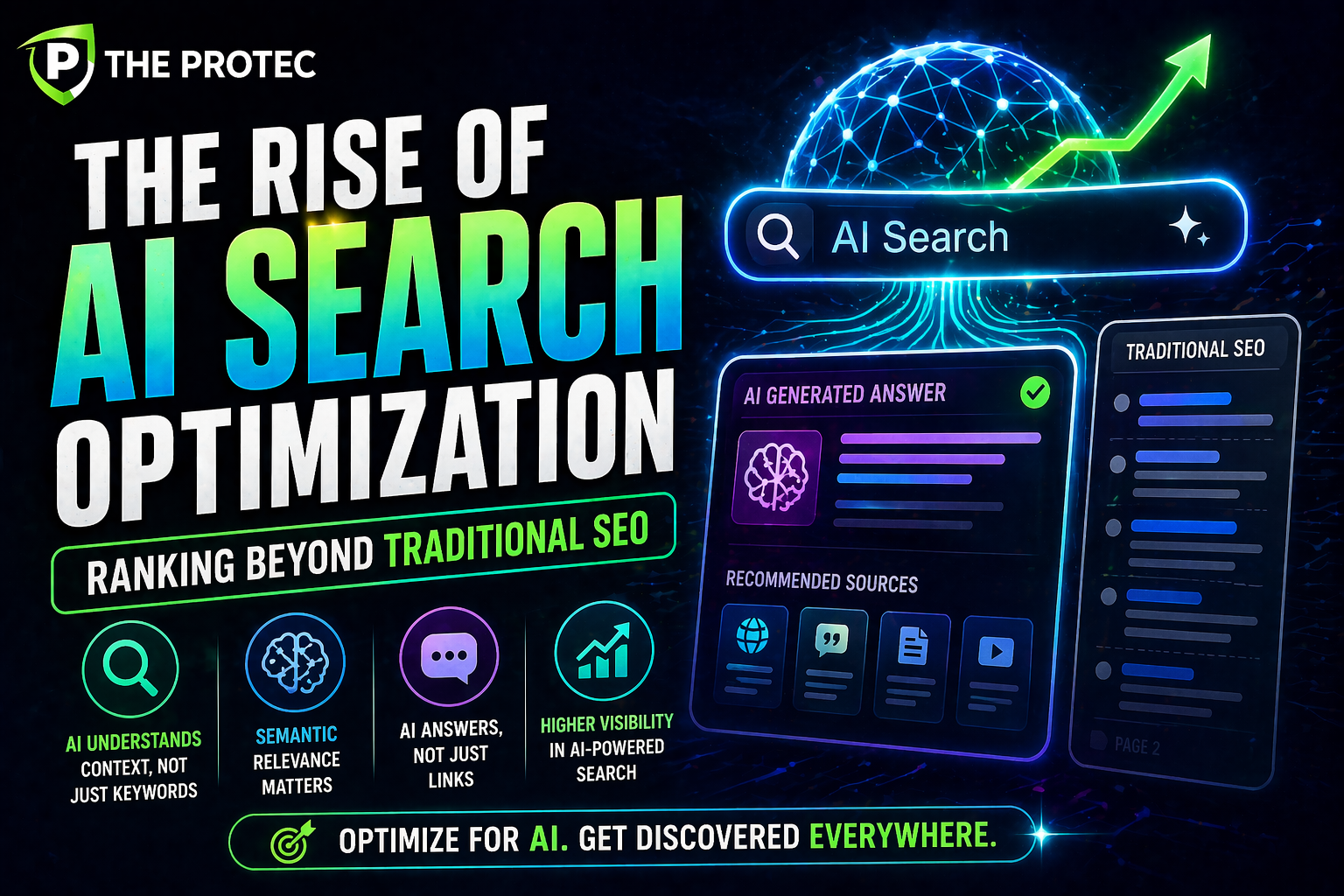
Traditional search engines relied heavily on keyword matching and link-based algorithms. However, next-generation AI agents including virtual assistants, conversational bots, and AI-powered aggregators are designed to understand user intent, context, and semantics at a deeper level. These AI agents don’t just scan for keywords; they analyze relationships between concepts, evaluate content credibility, and infer user needs dynamically.
This change shifts SEO from being purely search-engine-focused to being AI-agent-focused. Instead of optimizing content only for webpage rankings, the aim is to make content usable and actionable by AI systems that interact with users in real-time, via voice, chat, or personalized feeds.
Moreover, AI agents can aggregate data from multiple sources, reformulating and summarizing information to fit a user’s query or context. This leads to new optimization challenges and opportunities since SEO professionals must ensure their content is accurately interpreted and prioritized by these AI interpreters.
Structured Data: The Bridge Between Content and AI Understanding
Structured data is the cornerstone in making web content machine-readable. By marking up content with schemas such as Schema.org vocabularies publishers provide explicit context about what their data represents. This allows AI agents to parse content efficiently and link it semantically to related information.
Implementing structured data enhances rich results in search engines and enables AI to deliver more precise answers. Examples include breadcrumb navigation, product specifications, event details, FAQ markup, and how-to guides. Enhanced search features, such as voice assistant responses and AI chat summaries, leverage this structured knowledge.
More than just a ranking factor, structured data future-proofs content by embedding metadata that AI agents need to interpret complex datasets, understand content hierarchies, and support cross-platform interoperability.
The Semantic Web Revolution: Beyond Keywords to Meaning
The semantic web is fundamentally about adding meaning and relationships to information on the internet, making data understandable not just to humans but also to machines. By connecting data points in meaningful ways, the semantic web unlocks AI’s ability to perform reasoning, inference, and contextualization.
In SEO, this means moving away from keyword-focused content toward concept-driven content architecture. Entities, their attributes, and the relationships between them become central. Rather than optimizing for isolated phrases, content creators must develop topic clusters, related concepts, and contextual relevance that AI can comprehend holistically.
This transition encourages the creation of comprehensive, authoritative content hubs that align with an AI’s knowledge graph rather than a simple keyword index. Enterprises that embrace semantic web principles gain a competitive advantage by appearing in advanced AI-powered features like knowledge panels, conversational AI answers, and personalized, context-aware search results.
Practical Steps to Optimize SEO for AI Agents and Machine-Readable Content
With AI agents fundamentally redefining how search functions, how can businesses and SEO professionals adjust their strategies effectively? Consider these actionable steps:
1. Implement Comprehensive Structured Data
- Use Schema.org markups to annotate product info, articles, events, and organizational data.
- Validate markup with tools like Google’s Rich Results Test or Schema Markup Validator.
- Extend schema usage to emerging formats like Speakable for voice-friendly content.
2. Build Content with Semantic Relationships
- Develop topic clusters and pillar pages that cover related subjects in depth.
- Use entity-based keywords rather than isolated short-tail keywords.
- Incorporate natural language and ontologies to reinforce relationships.
3. Create Machine-Readable Metadata and APIs
- Publish metadata beyond typical SEO tags, including Open Graph, Twitter cards, and JSON-LD for structured snippets.
- Offer APIs or data feeds in standardized formats to support AI data consumption.
4. Optimize for Voice and Conversational AI
- Focus on natural, question-based content to serve voice search queries.
- Use FAQ and Q&A schema for direct answers favored by AI assistants.
5. Emphasize Content Quality and Trustworthiness
- AI algorithms increasingly assess E-A-T (Expertise, Authoritativeness, Trustworthiness).
- Maintain up-to-date, well-sourced content to help AI verify information contextually.
Challenges and Considerations in AI-SEO Integration
While the integration of AI agents and machine-readable content opens exciting opportunities, it also introduces challenges:
- Technical Complexity: Implementing structured data and semantic schemas requires developer expertise, keeping pace with evolving standards.
- Content Maintenance: Semantic content clusters and machine-readable metadata need continuous updates and auditing.
- AI Evolution Uncertainty: Rapid AI advancements mean SEO best practices can change frequently, necessitating ongoing learning.
- Balancing Human and Machine Readability: Content must remain engaging for humans while being optimized for AI parsing.
Despite these, the long-term ROI of aligning SEO efforts with AI agents’ needs promises significant visibility gains and user engagement improvements.
Looking Ahead: AI SEO as a Core Marketing Competency
SEO is transitioning from an isolated discipline into an integral part of AI-driven marketing ecosystems. Businesses that adopt structured data and semantic web standards position themselves at the forefront of personalized search experiences powered by AI. As search engines and AI assistants mature, their ability to deliver nuanced, actionable responses will only intensify the importance of machine-readable, semantically rich content.
Looking forward, expect search results to be less about ranking on pages and more about being a trusted source within AI knowledge graphs and multi-modal search environments. The brands willing to embrace this shift today will gain the trust of both AI agents and users tomorrow.
FAQ
What is AI SEO, and why is it important?
AI SEO refers to optimizing content and websites for search algorithms and AI agents that use artificial intelligence to understand and rank information. It’s important because AI-powered search improves relevance by analyzing semantics and intent rather than just keywords, so aligning SEO with AI helps improve visibility and user engagement.
How does structured data improve AI search outcomes?
Structured data provides clear, machine-readable context about web content, which helps AI agents understand information precisely. This leads to rich search features, accurate voice responses, and better content aggregation by AI, ultimately improving how content is presented to users.
How does the semantic web influence SEO strategies?
The semantic web encourages optimizing content around entities and their relationships, fostering deep thematic relevance instead of isolated keywords. SEO strategies must focus on building comprehensive, interconnected content that AI can interpret meaningfully, helping sites appear in advanced AI-driven search features.
Where can I learn more about implementing structured data?
Official resources like Schema.org, Google Search Central structured data guides, and online courses from recognized SEO education platforms provide extensive tutorials and best practices.
Will AI replace traditional SEO practices?
Rather than replacing traditional SEO, AI is transforming it. Core principles like content quality and user experience remain essential, but tactics now include optimizing for AI interpretability and semantic relevance. AI expands SEO’s scope, making it more technical and conceptually focused.