







Contents
- 1 Introduction: Navigating the New Era of Search Visibility
- 2 What is AI Search Optimization (AISO)?
- 3 Why Traditional SEO is Not Enough Anymore
- 4 How ChatGPT, Gemini, and Perplexity Rank Content Differently
- 5 Strategies to Optimize for AI Search Answers
- 6 Measuring Success in AI Search Optimization
- 7 Looking Ahead: The Future of AISO
- 8 Frequently Asked Questions (FAQ)
- 9 External Resources
As artificial intelligence rapidly evolves, so does the landscape of digital search. Traditional SEO methodologies that focus primarily on keyword rankings within search engines like Google or Bing now face a paradigm shift. Enter AI Search Optimization, or AISO a game-changing approach designed to optimize content for AI-powered answer engines such as ChatGPT, Gemini, and Perplexity. This shift is not just incremental; it’s transformational, redefining how brands and content creators achieve discoverability in a world dominated by AI-driven conversational search.
What is AI Search Optimization (AISO)?
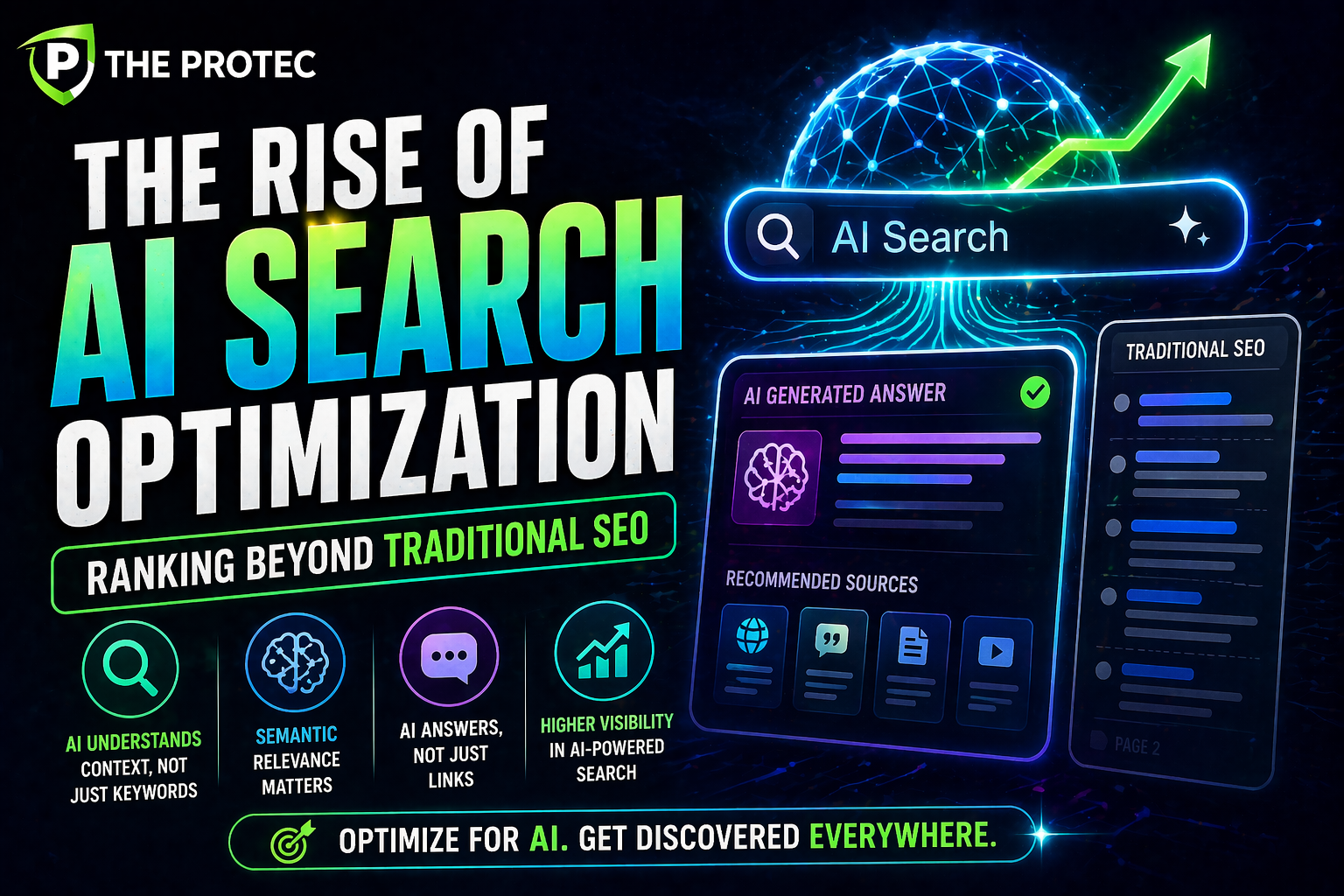
AI Search Optimization (AISO) refers to the practice of tailoring digital content to align with the unique data ingestion and sentence generation processes of modern AI-driven search platforms. Unlike traditional SEO, which centers around ranking pages for specific keywords in a search engine’s index, AISO focuses on the nuances these AI systems use to deliver direct, conversational, and contextually relevant answers.
With AI models trained on vast datasets and capable of understanding intent, context, and semantics deeper than ever before, AISO requires a more sophisticated approach that emphasizes:
- Natural language and clear, precise answers.
- Structured data and semantic richness.
- Authoritative, trustworthy sources.
- Dynamic content formats optimized for snippet generation.
Why Traditional SEO is Not Enough Anymore
Traditional SEO focuses on optimizing for search engine crawlers through keyword targeting, backlinks, and site structure. While these elements remain foundational, they are insufficient for ranking in AI-powered answer platforms that do not simply index and rank pages but generate synthesized responses from multiple sources.
Consider how ChatGPT, Gemini, or Perplexity operate. When a user poses a query, these AI models analyze their training data and external sources to formulate an answer rather than linking users to a page outright. This creates new challenges:
- Content synthesis: AI blends information from multiple sources instead of following traditional ranking signals.
- Content brevity and clarity: Answers must be concise and straightforward, tailored to natural conversational flow.
- Source authority and transparency: AI favors sources that are reputable, fact-checked, and well-cited.
Hence, websites must now focus on how to ensure their content is not only discoverable but also digestible and cited by these AI platforms.
How ChatGPT, Gemini, and Perplexity Rank Content Differently
Understanding the ranking mechanics of leading AI search engines is crucial for AISO. Though proprietary, here’s a general outline based on industry insights:
ChatGPT
ChatGPT, built on OpenAI’s large language models, prioritizes data quality, context relevance, and diversity of credible sources. It generates conversational responses by assimilating knowledge learned during training and, where integrated, live internet data. The model favors content that supports clear, unambiguous answers and displays factual consistency.
Gemini
Gemini, developed by Google DeepMind, enhances search via multi-modal comprehension and integrates real-time web results. It emphasizes semantic precision and factual grounding within answers. Gemini’s AI skews to actionable insights, favoring structured data that can be easily interpreted and summarized.
Perplexity
Perplexity AI functions as a real-time AI assistant that aggregates data from multiple sources, delivering synthesized citations in responses. Ranking here depends on how often and reliably content is referenced across authoritative publications, alongside clarity and trust factors.
Strategies to Optimize for AI Search Answers
To effectively optimize for AI search engines, content creators must pivot from purely keyword-centric approaches to strategies that align with AI interpretation and answer generation.
1. Create Highly Structured, Scannable Content
Using semantic HTML elements such as <h2>, <h3>, lists, and tables helps AI parse and extract relevant information efficiently. Structured data markup, including Schema.org, is critical to aid AI in understanding context, entities, and relationships.
2. Focus on Natural Language and Intent
Write in a conversational tone that directly addresses common user questions. Incorporate varied question formats and provide succinct answers close to the query’s intent. This approach aligns closely with how AI models are trained to understand and respond.
3. Prioritize Authoritativeness and Trustworthiness
AI favors content from reputable domains with transparent sourcing. Enhance your credibility by citing authoritative references and keeping content factually accurate and up-to-date.
4. Optimize for Featured Snippets and Answer Boxes
Craft content that can easily fit into snippets by delivering short, clear definitions or step-by-step instructions near the beginning of paragraphs or in bulleted formats.
5. Use Rich Media and Multimodal Content
Gemini and other platforms increasingly leverage images, videos, and interactive elements. Including descriptive alt text and transcripts can improve AI’s ability to extract useful information and enhance user engagement.
6. Ensure Fast Loading and Mobile Optimization
Technical performance remains vital. AI engines prefer websites that load quickly and provide seamless mobile experiences, correlating with better user satisfaction.
Measuring Success in AI Search Optimization
Traditional metrics like keyword ranking may no longer fully apply. Instead, focus on:
- Traffic from AI platforms: Monitor direct queries and traffic references from AI-based tools.
- Content being cited: Use tools and APIs that detect when your content is referenced in AI-generated outputs.
- User engagement: Metrics such as dwell time and interaction with rich content indicate resonance with AI-curated answers.
Looking Ahead: The Future of AISO
AI search optimization is dynamic and will continue to evolve in tandem with advancements in language models and multimodal AI. We anticipate tighter integration of real-time data, personalized AI assistants, and seamless cross-platform experiences. Early adopters of AISO will gain critical competitive advantages by ingraining AI-friendly practices in content creation and digital marketing strategies.
Frequently Asked Questions (FAQ)
What distinguishes AI Search Optimization from traditional SEO?
Traditional SEO focuses on web page rankings based largely on keywords, backlinks, and crawlability, while AI Search Optimization targets how content is interpreted and synthesized by AI models providing direct answers, requiring more emphasis on structured, authoritative, and conversational content.
Can optimizing for AI answers improve traditional search ranking?
Yes. Strategies like clear, authoritative content and structured data benefit both traditional search engines and AI platforms, though AISO requires an extra focus on natural language and concise answers to capture AI conversational snippets.
How do I know if my content is featured in AI answers?
You can track mentions and citations through specialized monitoring tools that analyze AI-generated outputs or use analytics to identify spikes in traffic from AI-enabled sources like ChatGPT plugins or integrated search results.
External Resources
Embracing AI Search Optimization isn’t merely an option it’s a necessity for brands aiming to remain visible in a search landscape defined by intelligent machines crafting answers, not just indexing pages.