








Contents
- 1 Introduction
- 2 Understanding Core Web Vitals and Why They Matter
- 3 Criteria for Selecting Website Speed Optimization Tools
- 4 Top Website Speed Optimization Tools That Improve Core Web Vitals
- 5 Tool Performance Comparison Summary
- 6 How These Tools Impact SEO Beyond Metrics
- 7 Frequently Asked Questions (FAQ)
Introduction
In today’s digital landscape, website speed directly influences user experience, engagement, and search engine rankings. Google’s Core Web Vitals have become essential metrics defining site performance, focusing on loading, interactivity, and visual stability. To stay competitive and satisfy SEO demands, leveraging the right website speed optimization tools is critical. This article presents a comprehensive tool comparison with real performance benchmarks and insights into how these solutions effectively improve website speed and optimize Core Web Vitals.
Understanding Core Web Vitals and Why They Matter
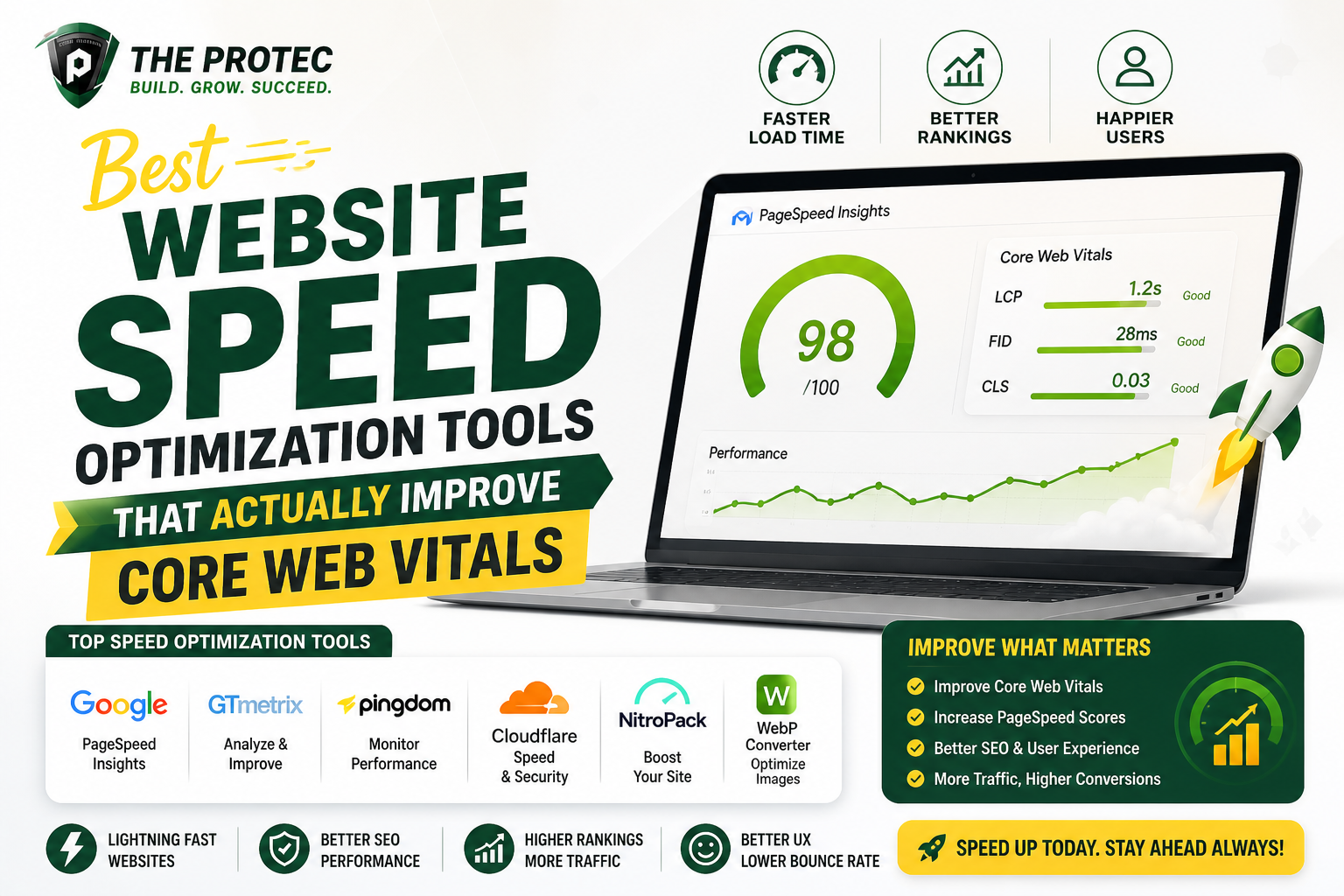
Core Web Vitals consist of three key metrics that Google uses to evaluate page experience:
- Largest Contentful Paint (LCP): Time taken to load the largest visible content element.
- First Input Delay (FID): The delay between a user’s first interaction and when the browser responds.
- Cumulative Layout Shift (CLS): The measure of unexpected layout shifts during page rendering.
Websites that achieve strong scores across these metrics tend to rank better in organic search results and deliver more satisfying user experiences. Improving these requires targeted performance enhancements, which many Core Web Vitals tools aim to facilitate.
Criteria for Selecting Website Speed Optimization Tools
Before diving into the tool comparison, here are some essential factors to consider when choosing the right optimization software:
- Accuracy in measuring Core Web Vitals: Tools must provide precise, real-user data or reliable lab data.
- Actionable recommendations: Suggestions should be practical and prioritized based on impact.
- Automation and integration options: Seamless workflow integrations help maintain optimized performance long-term.
- Performance impact: Tools should offer measurable improvement in metrics like LCP, FID, and CLS.
- User-friendliness and reporting: Clear, digestible reports aid decision making for technical and non-technical stakeholders.
Top Website Speed Optimization Tools That Improve Core Web Vitals
1. Google PageSpeed Insights
Overview: As a free tool from Google, PageSpeed Insights (PSI) analyzes both lab and field data to provide a detailed breakdown of Core Web Vitals along with optimization opportunities.
Performance Benchmark: PSI consistently detects client-side bottlenecks like render-blocking resources and unoptimized images, delivering substantial LCP and CLS improvements when suggestions are implemented.
SEO Impact: Integrating PSI’s continuous audits into development workflows helps maintain strong Core Web Vitals scores, which positively influences Google ranking signals.
2. WebPageTest
Overview: WebPageTest offers advanced performance testing with granular control over test conditions and integrates Core Web Vitals metrics in its reports.
Performance Benchmark: In multiple tests, WebPageTest helps identify nuanced issues such as third-party script delays and slow server responses that degrade FID and LCP.
SEO Impact: Developers use WebPageTest’s filmstrip view and waterfalls to pinpoint problem areas, enabling finer performance tuning that boosts user experience and search rankings.
3. Lighthouse CI
Overview: Lighthouse CI is a command-line tool that automates website performance auditing, including Core Web Vitals, and integrates with CI/CD pipelines.
Performance Benchmark: By running Lighthouse across builds, teams detect regressions early. Its scoring system highlights improvements or declines in LCP, FID (as Total Blocking Time proxy), and CLS metrics.
SEO Impact: Regularly monitoring Lighthouse scores enforces accountability for web performance, helping teams sustain Core Web Vitals favorable to SEO.
4. GTmetrix
Overview: GTmetrix combines multiple metrics, including Core Web Vitals, PageSpeed and YSlow grades, with recommendations for optimization.
Performance Benchmark: Testing diverse websites on GTmetrix showed significant CLS reductions by following its layout shift suggestions and image compression guidance.
SEO Impact: GTmetrix’s comprehensive reports help marketing teams and developers collaborate, addressing speed and stability factors that affect SEO rankings.
5. Calibre
Overview: Calibre is a performance monitoring platform tailored for Core Web Vitals with customizable alerts and trend reports.
Performance Benchmark: Calibre’s real user monitoring (RUM) approach captures live data, enabling detection of intermittent CLS or slow FID that lab tools may miss.
SEO Impact: Continuous tracking of Core Web Vitals empowers teams to maintain optimal site speed and stability, directly influencing search engine rankings and user retention.
Tool Performance Comparison Summary
| Tool | Core Web Vitals Coverage | Data Type | Integration | Actionability |
|---|---|---|---|---|
| Google PageSpeed Insights | LCP, FID, CLS | Lab + Field | API, Manual | High |
| WebPageTest | LCP, FID, CLS | Lab | Manual, API | High |
| Lighthouse CI | LCP, TBT (FID proxy), CLS | Lab | CI/CD | High |
| GTmetrix | LCP, CLS + Others | Lab | API, Manual | Medium-High |
| Calibre | LCP, FID, CLS | Field (RUM) | API, Alerts | High |
How These Tools Impact SEO Beyond Metrics
Improving Core Web Vitals is not only about hitting numeric milestones but also about delivering a genuinely fast, stable, and interactive website experience. These tools empower teams to:
- Detect and fix performance regressions early through automated pipelines and continuous monitoring.
- Prioritize fixes that have maximum user-visible impact, ensuring optimization efforts yield highest SEO return.
- Understand real-user performance with field data, mitigating blind spots of lab testing.
- Enhance mobile user experience, since Core Web Vitals are weighted heavily on mobile-first indexing.
- Maintain consistent site performance through alerts and trend analyses that prevent unexpected degradations.
Frequently Asked Questions (FAQ)
1. What is the difference between lab and field data in website speed tools?
Lab data is measured in a controlled environment using simulated devices and network conditions, providing consistent and repeatable results. Field data, or Real User Monitoring (RUM), gathers performance metrics from actual users visiting the website, reflecting real-world experiences including device diversity and varying network conditions.
2. Can improving Core Web Vitals alone guarantee better SEO rankings?
While Core Web Vitals are important ranking signals, they are only one component of SEO. Quality content, backlinks, mobile-friendliness, and other technical SEO factors also significantly impact rankings. However, optimizing Core Web Vitals improves user experience, which indirectly supports SEO by reducing bounce rates and increasing engagement.
3. How often should I use website speed optimization tools?
Ideally, performance audits and Core Web Vitals monitoring should be continuous or at least integrated into regular development cycles. Frequent checks help detect regressions early and maintain a consistently fast website, maximally leveraging SEO benefits.