







Contents
- 1 Introduction
- 2 Understanding the Role of AI in DevOps Automation
- 3 Key AI DevOps Tools Replacing Manual Workflows
- 4 How AI Infrastructure Tools Empower DevOps Teams
- 5 Real-World Examples of AI Replacing Manual DevOps Workflows
- 6 Challenges and Considerations in AI-Powered DevOps Automation
- 7 Future Outlook: The Continued Fusion of AI and DevOps
- 8 Frequently Asked Questions (FAQ)
- 9 Conclusion
Introduction
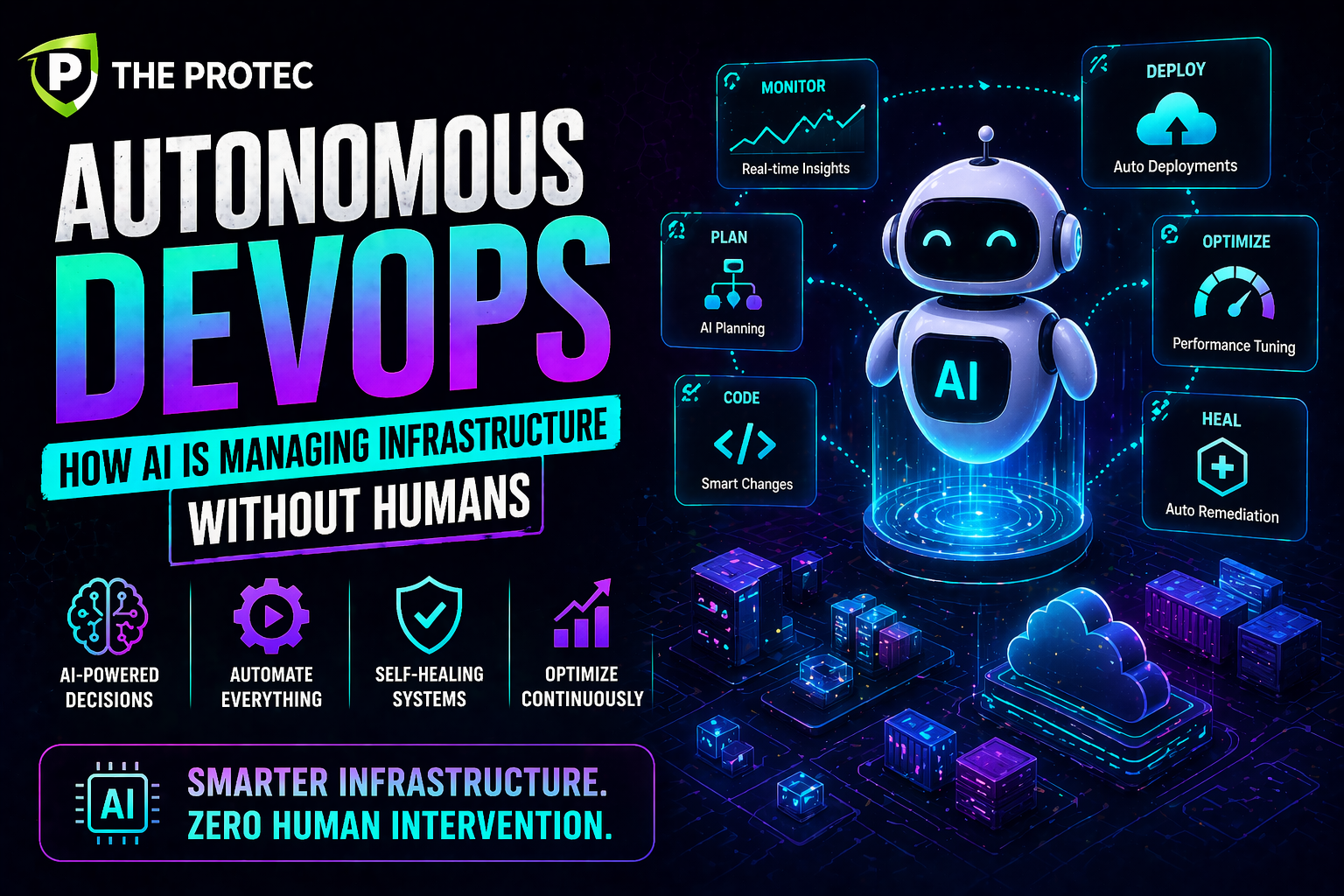
In the rapidly evolving landscape of software development and IT operations, the integration of artificial intelligence (AI) with DevOps has emerged as a pivotal game-changer. Traditional DevOps workflows, often reliant on repetitive, labor-intensive manual tasks, are transforming through AI-powered automation. This shift not only accelerates deployment cycles but also enhances reliability, security, and scalability of infrastructure.
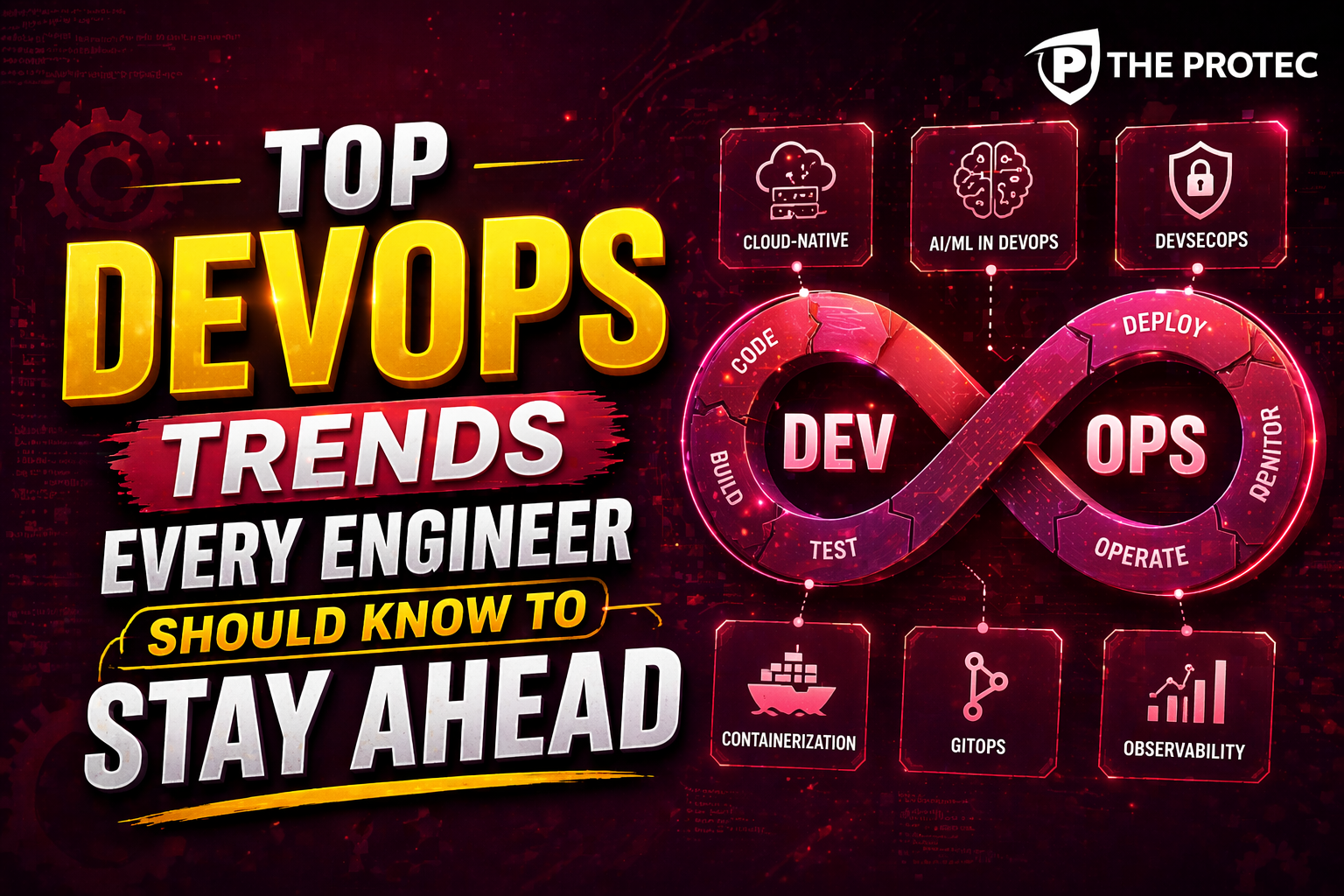
This article delves into how AI is automating DevOps by replacing manual workflows, exploring cutting-edge AI DevOps tools and AI infrastructure tools that are streamlining operations today. By examining real-world examples, we’ll reveal the tangible impact of these innovations and the future they promise for DevOps professionals.
Understanding the Role of AI in DevOps Automation
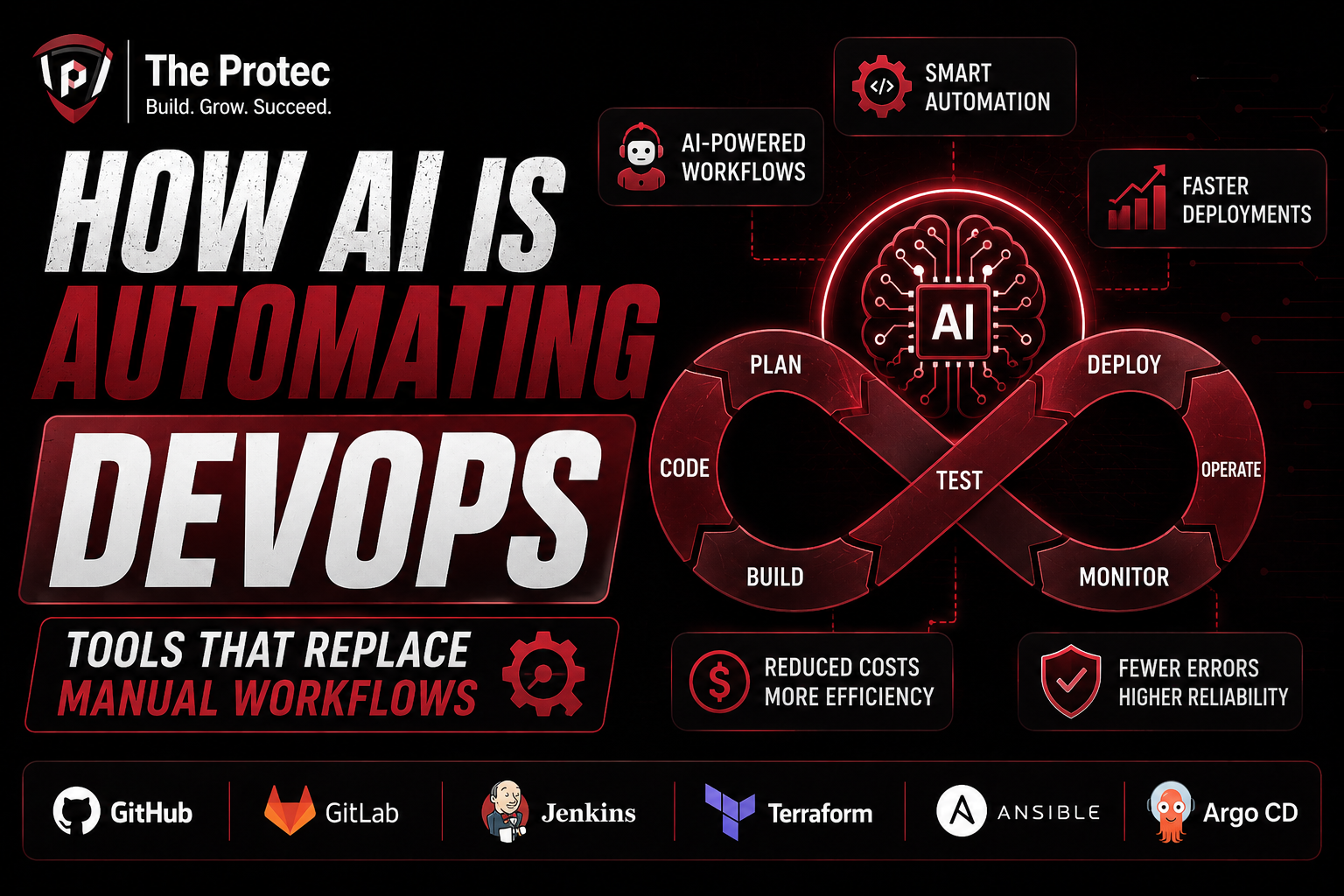
DevOps aims to unify development and operations teams to deliver software rapidly with high quality. However, many DevOps processes still involve manual scripting, monitoring, alert handling, and configuration, which can be error-prone and time-consuming. DevOps automation AI addresses these challenges by leveraging machine learning, natural language processing, and predictive analytics to automate complex tasks, offer intelligent insights, and reduce human intervention.
At its core, AI-powered DevOps automation enables continuous integration and continuous delivery (CI/CD) pipelines to be optimized intelligently, infrastructure to self-adjust based on usage patterns, and anomalies to be detected and remediated without manual oversight. This evolution is powered by AI DevOps tools that understand and learn from the environment, making infrastructure management proactive rather than reactive.
Key AI DevOps Tools Replacing Manual Workflows
Several AI tools are gaining prominence for their capability to replace tedious manual DevOps tasks. Here are some leading examples grouped by their core automation functions.
1. Intelligent CI/CD Pipeline Automation
- CircleCI Insights with AI: CircleCI uses machine learning to predict build failures, optimize pipeline resource allocation, and suggest pipeline improvements. This reduces trial-and-error in build configuration and minimizes manual troubleshooting.
- Harness: Harness leverages AI to automate deployment decisions, rollback actions, and canary analysis. Its Continuous Efficiency feature smartly allocates resources based on usage patterns, significantly reducing manual resource management.
2. AI-Driven Monitoring and Incident Management
- Moogsoft: An AI incident management platform that detects patterns in logs and metrics to correlate alerts. By reducing alert noise and automating root cause analysis, it replaces manual log sifting and incident investigation.
- BigPanda: Uses machine learning to automatically consolidate alerts from various monitoring platforms and automates incident prioritization, streamlining the response process.
3. Automated Infrastructure and Configuration Management
- Ansible Automation Platform with AI: While Ansible itself is popular for automation, the integration of AI components enables predictive configuration changes and self-healing infrastructure capabilities.
- Kubernetes with AI Ops Plugins: Platforms like KubeSphere integrate AI to manage container orchestration, resource scaling, and anomaly detection, replacing manual configuration and scaling decisions.
4. Security and Compliance Automation
- Snyk: An AI-powered developer-first security platform that automates vulnerability detection during development and deployment stages, reducing manual security reviews.
- CloudGuard (Check Point): Uses AI to automatically enforce compliance policies and detect abnormal behavior, automating much of the manual security auditing process.
How AI Infrastructure Tools Empower DevOps Teams
AI infrastructure tools underpin the automation of diverse DevOps workflows by managing cloud resources, infrastructure provisioning, and monitoring at scale with minimal human input.
Predictive Resource Management
<pModern infrastructure providers are adopting AI to analyze historical usage and forecast demand. For example, Google Cloud’s AI-enhanced autoscaling dynamically adjusts compute resources, minimizing over-provisioning and manual capacity planning.
Self-Healing Systems
AI infrastructure tools can detect anomalous behavior in systems and initiate corrective actions automatically. Tools like Dynatrace utilize AI to monitor dependencies and trigger workflows that repair issues before users are impacted.
Automated Change Management
AI can simulate the impact of configuration changes by learning from past deployments, reducing risks associated with updates. This capability allows DevOps to automate change approvals and implement reliable infrastructure as code practices.
Real-World Examples of AI Replacing Manual DevOps Workflows
Numerous enterprises have integrated AI into their DevOps to achieve notable efficiency gains and improved reliability.
Netflix and Automated Incident Prevention
Netflix employs AI within its Simian Army and other tools to proactively test and repair infrastructure. Machine learning algorithms analyze failure patterns, enabling automated responses and reducing manual incident resolution.
Spotify’s Intelligent CI/CD Optimization
Spotify uses AI to analyze code changes and test outcomes, dynamically adjusting pipeline runs to focus on high-risk builds. This minimizes wasted computational resources and manual intervention on routine pipeline maintenance.
Shopify’s AI-Powered Infrastructure Scaling
Shopify leverages AI tools for predictive scaling during peak shopping times, automating resource allocation and preventing outages without human monitoring round-the-clock.
Challenges and Considerations in AI-Powered DevOps Automation
Despite the transformative promise of AI in DevOps, teams should be mindful of certain challenges:
- Data Quality and Availability: AI models rely on extensive and accurate data from logs, metrics, and events. Poor data quality limits model effectiveness.
- Complexity of Integration: Incorporating AI tools into established DevOps pipelines requires careful configuration and cultural adoption.
- Transparency and Trust: Understanding AI-driven decisions is key. DevOps teams must ensure AI recommendations are explainable to maintain confidence.
- Security Risks: Automated systems must be designed to prevent malicious exploitation or unintended configuration drifts.
Future Outlook: The Continued Fusion of AI and DevOps
As AI algorithms become more sophisticated, the dependency on human input for routine DevOps tasks will further diminish. Emerging techniques like generative AI may soon assist in automatically generating infrastructure code, security policies, and even incident runbooks.
The future AI DevOps tools will likely provide fully autonomous pipeline management, smarter infrastructure that anticipates demand shifts, and comprehensive security enforcement all enabling organizations to innovate faster while maintaining operational resilience.
Frequently Asked Questions (FAQ)
What are the primary benefits of using AI DevOps tools?
AI DevOps tools enhance efficiency by automating repetitive tasks, reduce human errors, improve incident detection and remediation, optimize resource usage, and accelerate software delivery cycles.
Can AI completely replace human roles in DevOps?
While AI significantly reduces manual workload, human oversight remains essential for strategic decision-making, complex troubleshooting, and ensuring ethical considerations in automation.
How do AI infrastructure tools impact cloud cost management?
They predict resource utilization accurately and automatically adjust cloud provisioning, helping teams avoid over-provisioning and minimize wasteful expenditure.
Conclusion
AI is revolutionizing DevOps by systematically automating tasks that were once manual, tedious, and error-prone. AI DevOps tools and AI infrastructure tools are at the forefront of this transformation, delivering smarter pipelines, efficient monitoring, predictive scaling, and robust security automation.
By embracing these intelligent automation solutions, DevOps teams not only enhance productivity and reliability but also gain the agility to respond dynamically in a competitive technology landscape. As innovations continue to evolve, AI-driven DevOps automation will remain indispensable in powering future-ready software delivery.
For further reading on AI DevOps advancements and best practices, visit InfoQ DevOps section.