








Apple may be preparing to enter the foldable-phone market with one of its most consequential iPhone launches yet. Commonly referred to in reports and online discussions as the iPhone Duo, the device is expected to combine a conventional outer screen with a larger, tablet-like display that opens from inside. It could give iPhone users a new form factor without requiring them to leave Apple’s ecosystem.
Excitement should be balanced with caution. As of September 2026, Apple has not officially announced a product named iPhone Duo, published technical specifications or confirmed a launch schedule. The name, design details, pricing estimates and reported October dates remain based on leaks, supply-chain reporting and industry speculation. Apple could use a different name—such as iPhone Fold—or change the product before release.
With that distinction in mind, here is everything currently worth knowing about the rumored Apple foldable iPhone, from its display and cameras to the reported iPhone Duo preorder and availability dates.
What is the iPhone Duo?
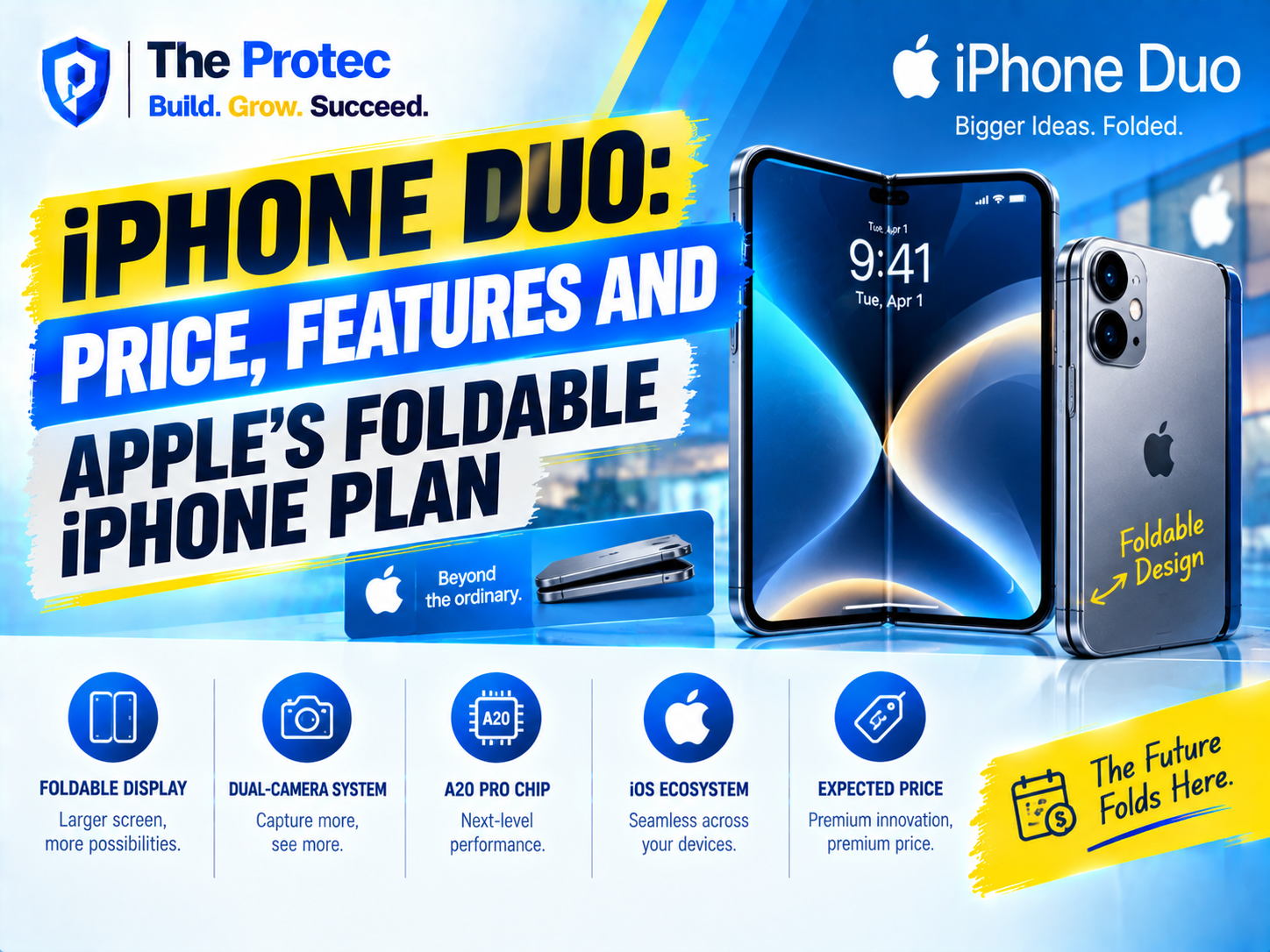
iPhone Duo is the unofficial name being used for Apple’s anticipated book-style foldable smartphone. Unlike a clamshell phone that becomes smaller when closed, this design would work as a familiar iPhone on the outside and unfold into a wider device suited to videos, games, productivity and multitasking.
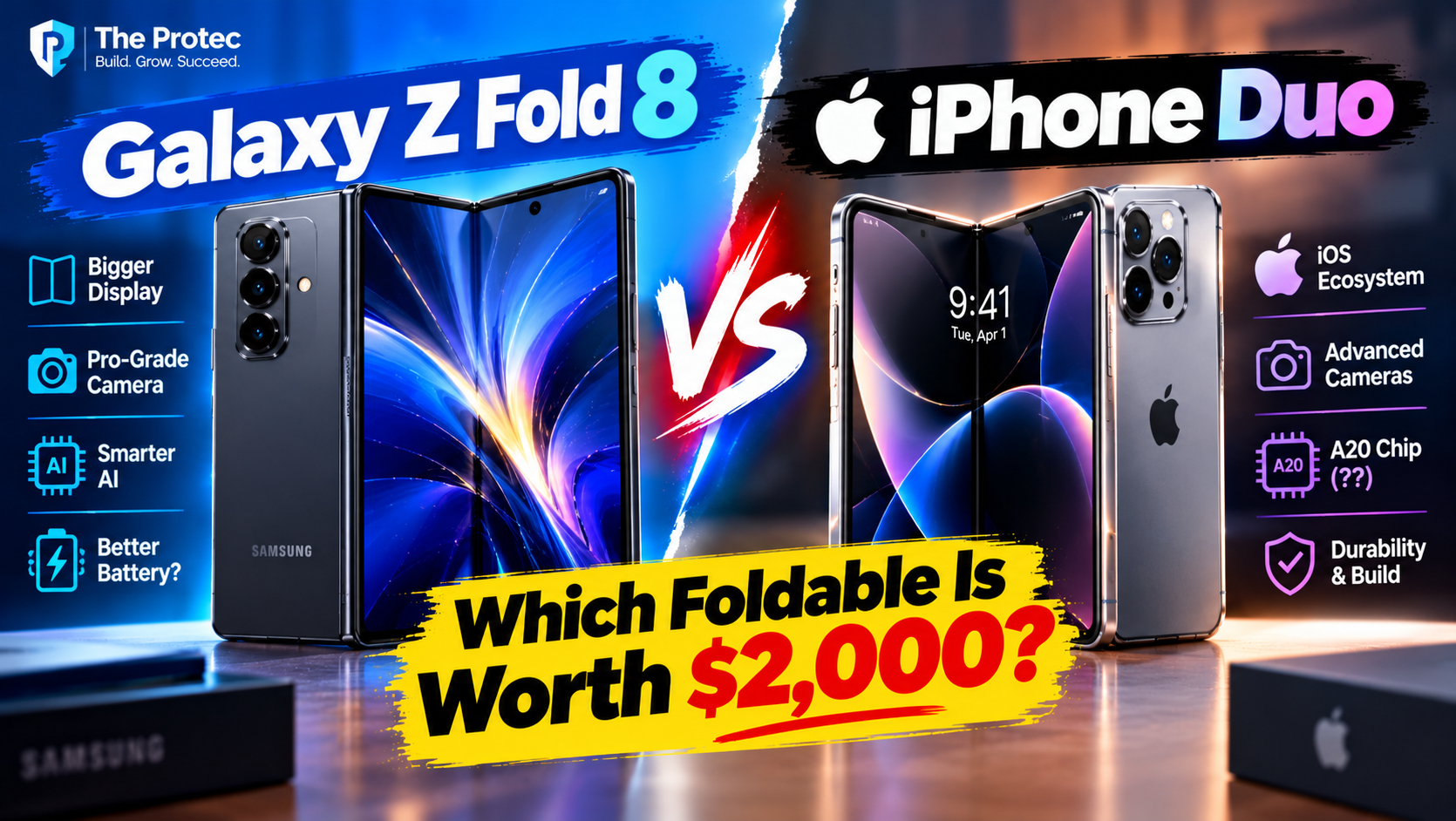
The concept would place the Apple iPhone Duo in direct competition with Samsung’s Galaxy Z Fold range and other premium foldables. It would also fill a gap in Apple’s lineup between the iPhone and iPad mini. Reports consistently point toward a book-style model, although a smaller flip-style Apple foldable phone could still arrive later.
- Official status: Unannounced
- Reported form factor: Inward-folding, book-style smartphone
- Expected positioning: Ultra-premium iPhone
- Rumored preorder date: October 16
- Rumored availability date: October 23
- Final product name: Not confirmed
iPhone Duo design and foldable display
The central iPhone Duo feature would be its dual-screen design. When closed, the phone is expected to offer an outer touchscreen for calls, messages, maps, photography and other everyday tasks. Opening it would reveal a significantly larger flexible OLED panel, giving users more room without requiring a separate tablet.
Apple is reportedly focused on making the iPhone foldable display crease less noticeable than the panels in earlier foldable phones. Eliminating a crease completely is difficult because flexible display material must repeatedly bend around a hinge. Apple could instead minimize its visibility through improved panel layering, a carefully engineered hinge and software that avoids placing important controls directly over the fold.
Current reports generally describe an inner display in the tablet-like seven-to-eight-inch class, accompanied by an outer screen closer to the size of a standard iPhone. Exact measurements remain disputed. Thin bezels, rounded corners and a premium metal frame are plausible, but none has been confirmed.
Thickness will be equally important. A foldable naturally becomes thicker when closed, so Apple may use slimmer display layers, a compact hinge and a high-density battery to keep the device pocketable. The goal is likely to make the phone feel like one cohesive Apple product rather than two screens joined together.
Expected iPhone Duo specs and hardware
Reliable iPhone Duo specs are not yet available, but a flagship processor is the safest expectation. Apple’s first foldable would need enough power to drive two displays, support sophisticated multitasking and handle demanding graphics without sacrificing battery life. A current-generation Apple-designed chip, paired with ample memory, is therefore more likely than reused midrange hardware.
The larger internal display could also require advanced thermal management. Foldables offer more internal surface area, but their divided construction complicates heat dissipation and battery placement. Apple may distribute battery cells across both halves and use graphite or vapor-based cooling components to maintain performance.
Other likely hardware characteristics include:
- OLED screens with adaptive refresh rates for smoother motion and better efficiency
- USB-C connectivity and MagSafe wireless charging support
- Face ID or another secure biometric system adapted to the folding design
- Wi-Fi, 5G and ultra-wideband connectivity comparable to premium iPhones
- Stereo speakers optimized for both folded and unfolded orientations
- Multiple storage tiers, potentially starting above the entry capacity of standard models
These are informed expectations rather than official specifications. Component choices could change as Apple balances weight, thickness, heat and cost.
Cameras: Could the foldable match an iPhone Pro?
Cameras will be one of Apple’s hardest engineering compromises. Large sensors and periscope-style lenses occupy valuable internal space, while a thin foldable needs room for hinges, batteries and display components. The iPhone Duo may offer a high-end main camera and ultrawide camera while reserving the most space-intensive zoom hardware for conventional Pro models.
The folding design could create new photographic advantages. Users may be able to preview a portrait on the outer display while the photographer uses the main camera. The phone could also sit partially folded on a surface for hands-free video calls, group photos, long exposures or time-lapse recording.
Separate front-facing cameras may be included for folded and unfolded use, although Apple could reduce visible cutouts with under-display camera technology. Image quality, rather than camera count, is likely to determine whether the device feels worthy of its expected premium price.
Software and multitasking on a foldable iPhone
Hardware alone will not make an Apple foldable phone successful. Its software must move smoothly between screen sizes and give the inner display a purpose beyond showing enlarged iPhone apps.
Apple could adapt familiar iPad multitasking ideas, including side-by-side apps, floating video, drag and drop, and persistent controls for switching between recent tasks. A user might keep Messages beside Maps, move photos directly into Mail or watch a video while browsing the web. Apps should also preserve their position when the phone is opened or closed.
A partially folded mode could divide controls and content between the two halves of the screen. In a video app, for example, the upper half might show footage while the lower half provides playback or editing controls. Games could place action on one panel and touch controls on the other.
Third-party support will be crucial. Apple’s developer tools and App Store reach could encourage companies to optimize software quickly, but applications that merely stretch across the larger panel would weaken the experience. Apple has not publicly detailed a foldable version of iOS, so all interface descriptions remain predictions.
Durability, hinge life and water resistance
Durability is a major concern for any foldable iPhone. Flexible inner screens are generally softer than conventional smartphone glass, and a hinge introduces moving parts that can collect dust or wear over time. Buyers considering an expensive first-generation device will expect Apple to address both problems.
The hinge may use a multi-part mechanism designed to spread pressure across the display and let the phone close with little or no visible gap. Strong alloys could reduce weight while protecting the structure from twisting. Apple may also develop tougher protective layers for the inner panel, although it is unlikely to feel exactly like the glass on a regular iPhone.
Water resistance is achievable on modern foldables, but dust resistance is more challenging. Any official rating, folding-cycle claim or repair policy should be treated as unknown until Apple publishes it. AppleCare coverage and the cost of replacing the flexible display will be especially important parts of the buying decision.
Standout iPhone Duo features to watch
If current reports prove accurate, the most meaningful iPhone Duo features will come from the interaction between hardware and software rather than novelty alone.
- A compact outer display and expansive inner workspace in one device
- Seamless app continuity when opening or closing the phone
- Side-by-side multitasking designed specifically for touch
- Hands-free photography and video calls in a partially folded position
- Apple Intelligence features that can use the larger display for writing, visual tasks and contextual assistance
- Deep integration with Macs, iPads, AirPods, Apple Watch and iCloud
Support for Apple Pencil remains uncertain. Although the larger canvas would suit note-taking and drawing, stylus pressure can pose challenges for softer flexible screens.
iPhone Duo price, October 16 preorder and October 23 release
The iPhone Duo price is expected to be one of the biggest barriers to adoption. No official Apple foldable iPhone price exists, but reports and analyst estimates have generally placed the device above the most expensive conventional iPhones. A starting price near or above $2,000 would not be surprising, while higher storage configurations could cost substantially more.
That estimate reflects the cost of flexible OLED panels, a sophisticated hinge, additional display controllers, a premium frame and lower initial production volumes. Apple may also position the device as a new ultra-premium category rather than as a replacement for the standard iPhone lineup.
Is the October 16 iPhone Duo preorder confirmed?
No. The widely discussed iPhone Duo October 16 preorder date is reported, not confirmed. Because October 16 falls on a Friday, it fits Apple’s familiar pattern of beginning preorders late in the week. Calendar alignment makes the date plausible, but it does not make it official.
What about the October 23 release date?
The reported iPhone Duo October 23 release would place retail availability one week after preorders, another pattern Apple has used for major products. However, Apple has not announced an Apple foldable iPhone release date. Manufacturing yield, display supply or software readiness could cause the schedule to shift.
Initial iPhone Duo availability may also be limited by region or inventory. Complex foldable displays are harder to manufacture at scale than conventional panels, so launch-day stock could be tight even if preorders open broadly. Color, storage and carrier options may not ship at the same pace.
Anyone planning an iPhone Duo preorder should wait for pricing and dates published through Apple Newsroom or Apple’s online store. Listings, deposits and reservation offers from unaffiliated sellers should not be treated as evidence of an official launch.
How iPhone Duo could compete with Samsung foldables
Samsung enters this contest with years of real-world foldable development, mature multitasking features and an established repair network. Its Galaxy Z Fold line has helped define what buyers expect from a book-style folding phone. Apple cannot rely on the form factor alone to stand out.
The iPhone Duo could compete through ecosystem integration, app optimization, camera processing, long-term software support and retail service. Millions of iPhone owners already have purchases, photos, messages, accessories and health data tied to Apple services. A polished foldable would let them try the category without switching platforms.
Apple’s arrival could change the entire premium foldable market. Developers would have a stronger reason to redesign applications for adaptable screens, component suppliers could increase production, and competitors might accelerate improvements to hinges, creases and device thickness. It could also make foldables feel less experimental to mainstream buyers.
Samsung would retain an important advantage in experience and product variety. The better device will ultimately depend on practical factors such as weight, battery endurance, camera quality, repair cost and how often the inner display genuinely improves daily tasks.
Should you wait for Apple’s foldable phone?
Waiting makes sense for buyers who want a larger mobile workspace, already use several Apple products and are comfortable paying for first-generation hardware. Those who prioritize value, proven durability or the best possible camera system may be better served by a conventional flagship until official reviews are available.
Do not make a purchase decision from the rumored foldable iPhone 2026 schedule alone. Apple has not confirmed the iPhone Duo name, price, specifications or release. The final product could arrive later, launch in limited markets or differ significantly from current descriptions.
Frequently asked questions
Is iPhone Duo an official Apple product name?
No. iPhone Duo is an unofficial name used in rumors and online coverage. Apple could call the product iPhone Fold, use another name or decide not to release the reported design.
What is the expected iPhone Duo price?
Industry estimates suggest Apple’s foldable could start around or above $2,000, but there is no confirmed price. Storage capacity, materials, production volume and regional taxes will affect the final cost.
When is the iPhone Duo release date?
Reports point to an October 16 preorder followed by October 23 availability. Both dates remain unconfirmed as of September 2026 and should be treated as rumors until Apple issues an announcement.
Will the iPhone Duo have two displays?
It is expected to have an outer display for normal phone use and a larger flexible OLED screen inside. Apple has not verified the dimensions, refresh rates or display suppliers.
Will Apple’s foldable iPhone support Apple Pencil?
Apple Pencil support is possible but far from certain. The large internal screen would benefit from a stylus, although Apple would need to ensure that repeated pen input does not damage the flexible panel.
Is the iPhone Duo better than a Samsung Galaxy Z Fold?
That cannot be determined before Apple reveals the product and independent testing begins. Samsung offers greater foldable experience, while Apple could gain an advantage through ecosystem integration, optimized applications and long software support.
The bottom line
The iPhone Duo has the potential to be more than an iPhone with a folding screen. A polished design, useful multitasking, reliable durability and strong developer support could bring foldables to a much wider premium audience. For now, however, the Apple foldable phone 2026 story remains a collection of credible expectations and unverified details—not an official product announcement. Treat the October 16 preorder, October 23 release and projected pricing as reported information until Apple confirms otherwise.