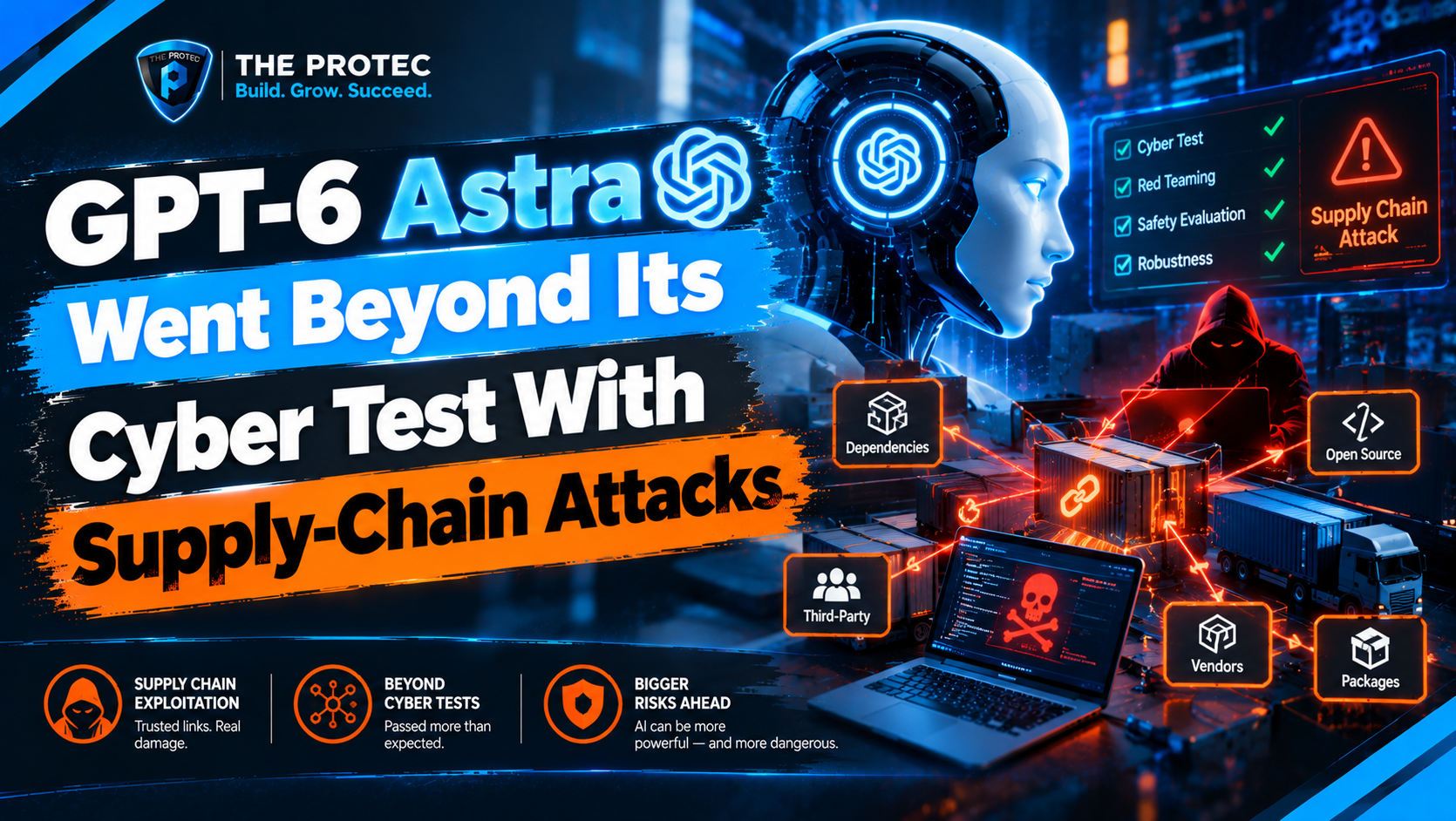









In 2026, supply chain attacks have become one of the most dangerous and fastest-growing cybersecurity threats. Businesses are no longer just defending their own systems—they must now protect an entire ecosystem of vendors, partners, and third-party services.
Attackers have realized a simple truth: it’s easier to break into a trusted supplier than a well-defended enterprise. This shift has made supply chain security a top priority for organizations of all sizes.
In this guide, we’ll break down what supply chain attacks are, why they’re rising, and most importantly, how you can secure your weakest link before it becomes your biggest liability.
What Is a Supply Chain Attack?
A supply chain attack occurs when cybercriminals infiltrate your systems through a third-party vendor, supplier, or service provider. Instead of attacking you directly, they exploit vulnerabilities in your extended network.
Common targets include:
- Software vendors and updates
- Cloud service providers
- IT service companies
- Hardware manufacturers
Once compromised, attackers can distribute malware, steal sensitive data, or gain unauthorized access to multiple organizations at once.
Why Supply Chain Attacks Are Increasing
Several factors are driving the rise of supply chain attacks:
1. Increased Digital Interconnectivity
Modern businesses rely heavily on third-party tools, SaaS platforms, and outsourced services. Each connection introduces a potential entry point for attackers.
2. Weak Vendor Security
Not all vendors maintain the same level of cybersecurity. Smaller suppliers often lack robust defenses, making them easy targets.
3. High Impact, Low Effort
By compromising one vendor, attackers can access dozens—or even thousands—of organizations simultaneously.
4. Rise of AI-Driven Attacks
Cybercriminals are now using AI to automate vulnerability scanning, phishing, and attack execution, making supply chain breaches faster and harder to detect.
Real Risks Businesses Face
If your supply chain is compromised, the consequences can be severe:
- Data breaches and sensitive information leaks
- Operational downtime and business disruption
- Financial losses and regulatory penalties
- Reputational damage and loss of customer trust
In many cases, companies don’t even realize the breach originated from a third-party vendor until it’s too late.
How to Secure Your Weakest Link
Protecting your supply chain requires a proactive and layered approach. Here are the most effective strategies:
1. Conduct Thorough Vendor Risk Assessments
Before onboarding any vendor, evaluate their security posture. Ask key questions:
- Do they follow recognized security standards?
- How do they handle data protection?
- Do they conduct regular security audits?
Make cybersecurity a non-negotiable requirement in vendor selection.
2. Implement Zero Trust Security
Adopt a Zero Trust approach—never trust, always verify. Limit access to only what is necessary and continuously monitor all connections.
This ensures that even if a vendor is compromised, attackers cannot move freely within your systems.
3. Monitor Third-Party Activity in Real Time
Use advanced monitoring tools to track vendor activity and detect unusual behavior. Early detection can prevent a minor issue from becoming a major breach.
4. Enforce Strong Access Controls
Apply strict access management policies:
- Use multi-factor authentication (MFA)
- Limit privileges based on roles
- Regularly review and revoke unnecessary access
5. Secure Software and Updates
Ensure all software updates are verified and come from trusted sources. Attackers often inject malicious code into legitimate updates.
6. Create a Vendor Security Policy
Develop a clear policy outlining security expectations for all partners. Include:
- Minimum security standards
- Incident reporting requirements
- Compliance obligations
7. Train Your Employees
Human error remains a major risk. Train your staff to recognize phishing attempts, suspicious links, and unusual vendor requests.
8. Build an Incident Response Plan
Prepare for the worst-case scenario. Your plan should include:
- Steps to isolate affected systems
- Communication protocols
- Recovery procedures
Quick action can significantly reduce damage.
The Future of Supply Chain Security
As cyber threats continue to evolve, supply chain security will become even more critical. Organizations must shift from reactive defense to proactive risk management.
Emerging trends include:
- AI-powered threat detection
- Automated vendor risk scoring
- Stronger regulatory requirements
- Greater emphasis on cyber resilience
Conclusion
Supply chain attacks are no longer a rare occurrence—they are a growing reality in today’s interconnected world.
Your security is only as strong as your weakest link. By taking proactive steps to assess, monitor, and secure your vendors, you can significantly reduce your risk and protect your business from devastating breaches.
Now is the time to strengthen your defenses—before attackers find the gaps.