








Introduction
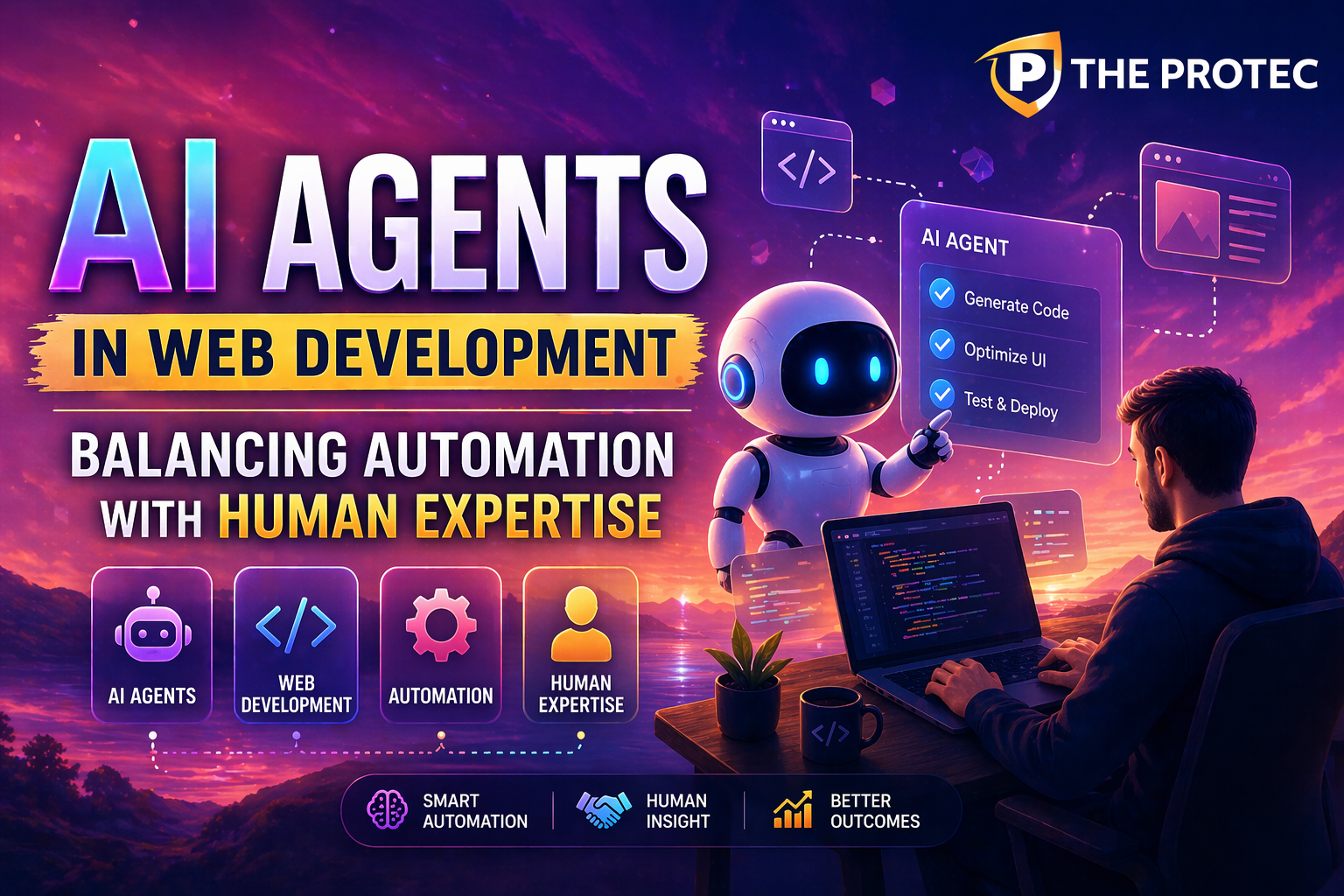
The rise of AI agents is revolutionizing many industries, and web development stands at the forefront of this transformation. These intelligent systems leverage automation to accelerate coding, debugging, design, and deployment processes. But amid the optimism, many wonder: Are AI agents truly replacing developers, or are they simply tools that augment human creativity and expertise? This article delves into the evolving role of AI in web development, examining the impact on workflows, job security, and the future landscape of development roles.
Understanding AI Agents in Web Development
AI agents refer to autonomous or semi-autonomous software programs that can perform tasks traditionally requiring human intelligence. In web development, they can generate code snippets, optimize user interfaces, detect bugs, and even deploy applications with minimal human input.
Examples include AI-powered code assistants like GitHub Copilot, AI-driven testing frameworks, and intelligent chatbots that help with troubleshooting and project management. These agents utilize machine learning, natural language processing, and pattern recognition to deliver solutions faster than manual methods.
Common Functions of AI Agents
- Code Generation: Automating repetitive coding tasks and scaffolding application structures.
- Debugging and Testing: Identifying bugs and suggesting fixes or running automated test suites.
- UI/UX Assistance: Providing layout suggestions, accessibility improvements, and design optimizations.
- Project Management: Estimating timelines, resource allocation, and progress tracking.
The Automation Debate: Threat or Opportunity?
Automation in web development has been a double-edged sword historically. While it streamlines mundane tasks, enabling faster delivery, fears of job displacement have grown louder with AI’s capabilities soaring. Let’s unpack this tension.
Why AI Agents Might Replace Some Developer Roles
- Increased Efficiency and Cost Reduction: Organizations are motivated to reduce development time and costs. AI agents can rapidly produce high-quality code with less human oversight in straightforward projects.
- Handling Routine Tasks: Tasks like writing boilerplate code, fixing syntax errors, or generating documentation can be fully automated, reducing the necessity for junior developers.
- Rapid Prototyping: AI-enabled tools can quickly create minimum viable products (MVPs), potentially decreasing demand for large development teams early on.
Why Developers Remain Indispensable
- Complex Problem Solving: Many real-world projects involve ambiguous requirements, creative decision-making, and domain-specific knowledge beyond AI’s current grasp.
- Understanding Context and Ethics: Developers make critical judgments about user experience, privacy, security, and ethical implications AI agents aren’t equipped to handle autonomously.
- Collaboration and Communication: Effective development requires teamwork, negotiation with stakeholders, and adapting to changing goals — areas reliant on human skills.
- Customization and Innovation: AI agents perform best in predictable environments, whereas innovation often demands original thinking and iteration.
How AI Agents Augment Human Expertise
Rather than outright replacement, a more balanced view recognizes AI as a powerful assistant, accelerating routine tasks and freeing developers to focus on higher-value creative work and strategic decisions.
Enhancing Developer Productivity
AI tools can handle repetitive coding chores, suggest improvements, and even detect vulnerabilities early. This reduces cognitive load, prevents burnout, and leads to more robust software.
Fostering Continuous Learning
AI-driven insights and real-time feedback help developers upskill faster by exposing them to best practices and cutting-edge patterns during coding sessions.
Supporting Collaboration
AI agents can assist in translating technical jargon for clients, generating documentation, and managing project timelines, enabling smoother communication across teams.
Boosting Creativity in Design
By generating multiple design variants and interface options rapidly, AI tools aid UX/UI designers in experimentation and decision-making.
Current Trends and Innovations Shaping the Future
As AI agents evolve, several trends are becoming apparent in web development workflows.
Integration of Large Language Models (LLMs)
Advancements in LLMs empower AI to understand context more deeply and generate code snippets that adapt to style and architecture preferences, making collaboration smoother.
DevOps and Continuous Automation
AI is increasingly embedded within DevOps pipelines, automating testing, deployment, and monitoring to enhance reliability and reduce manual interventions.
Focus on Ethical AI Usage
With AI’s power comes responsibility. The community is emphasizing transparency, bias mitigation, and safeguarding user privacy when implementing AI agents.
Implications for the Future of Jobs in Web Development
The key insight for professionals is adaptability. Developers who integrate AI tools into their workflows stand to benefit the most, transforming themselves into hybrid roles that blend technical coding with strategic oversight, creativity, and problem-solving.
Organizations will likely value developers who can harness automation to enhance output but also guide ethical development practices and innovate beyond AI’s current scope.
- Embrace AI tools as collaborators rather than competitors to increase efficiency.
- Invest in continuous learning, focusing on critical thinking, system design, and emerging technologies.
- Develop soft skills such as communication, project management, and ethical awareness.
- Engage with the AI development community to stay updated on best practices and tool evolutions.
Frequently Asked Questions
1. Will AI agents completely replace web developers?
It’s unlikely that AI agents will completely replace developers. While they automate routine tasks, human expertise remains essential for complex problem-solving, creativity, and ethical considerations.
2. How can developers make the most of AI in their workflow?
Developers should integrate AI tools to automate mundane coding, testing, and documentation tasks, enabling them to focus on innovative design, architecture, and user experience improvements.
3. Are AI agents better suited for certain types of web development projects?
AI agents excel in well-defined, repetitive, or large-scale projects where automation yields efficiency. Complex, custom, or creative developments still require significant human involvement.
Conclusion
The narrative that AI agents will replace web developers oversimplifies a nuanced reality. Automation powered by AI is reshaping workflows, improving productivity, and enabling faster project delivery. Yet, human developers’ creativity, ethical judgment, and collaborative skills remain irreplaceable. Rather than viewing AI agents as competitors, embracing them as tools that augment human potential offers the best path forward for the web development profession.
For ongoing updates on the intersection of technology and development, readers can refer to authoritative sources like MDN Web Docs and insights from industry leaders. In this evolving digital landscape, striking a balance between automation and expertise will define the future of web development careers.