








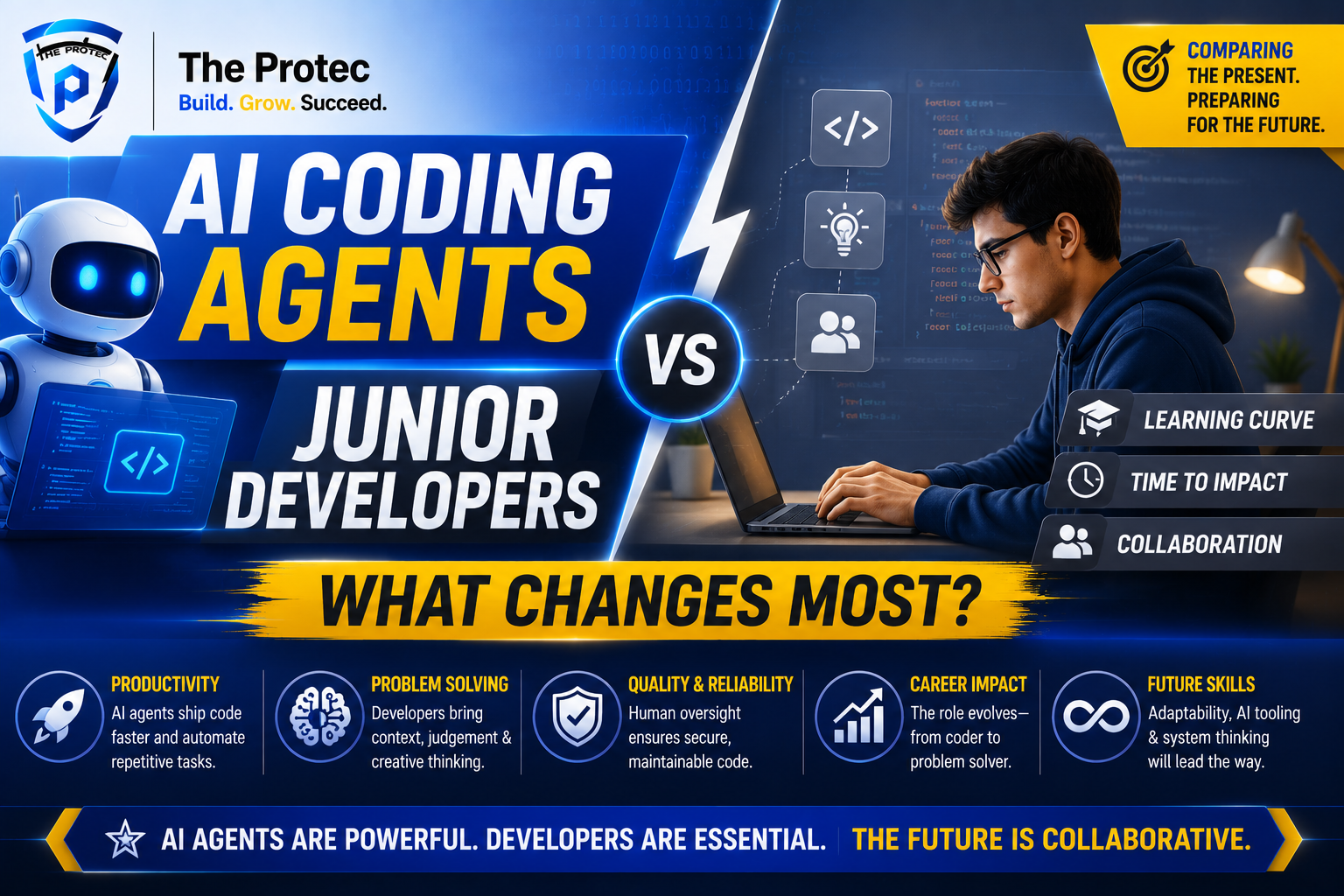
AI Coding Agents vs Junior Developers: What Really Changes for Programmers?
The conversation around AI coding agents vs developers has shifted dramatically. A few years ago, the question was whether AI could autocomplete code. Today, AI coding agents can plan tasks, edit multiple files, run tests, inspect logs, and iterate on fixes with very little human prompting. That makes them feel less like tools and more like junior teammates.
But this does not mean junior developers are obsolete. It means the shape of entry-level software work is changing fast. In the future of software development, the real question is not whether AI can write code. It is which parts of programming are being automated, which parts are becoming more valuable, and which human skills remain difficult to replace.
This article breaks down what AI coding agents actually do well, where junior developers still outperform them, and how teams are adapting to a workflow where software creation is increasingly shared between humans and agentic systems.
What Are AI Coding Agents?
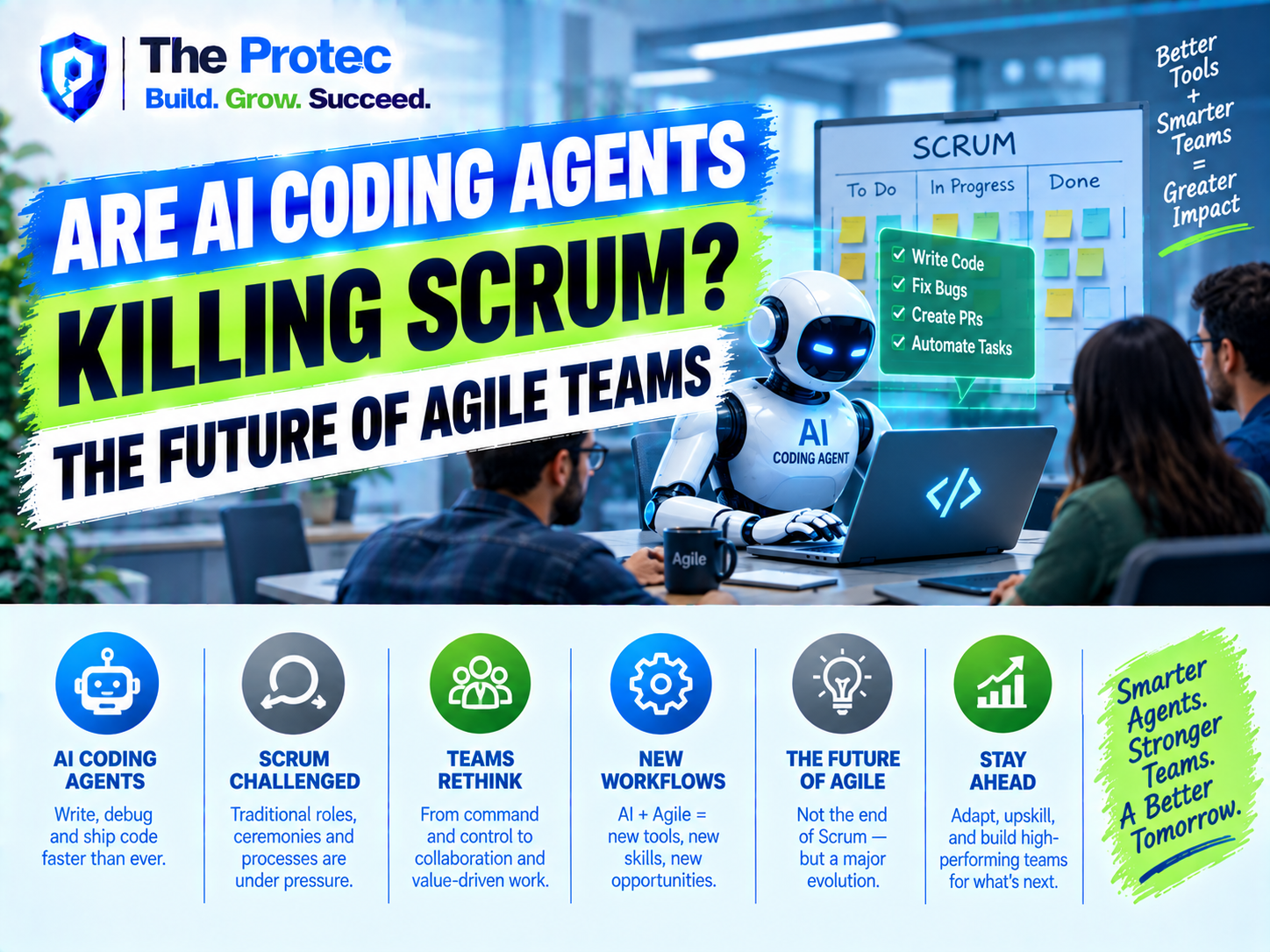
AI coding agents are software systems that go beyond simple code completion. Instead of suggesting a single line or function, they can work toward a goal across a larger development workflow. Depending on the product and setup, an AI coding agent may:
- Interpret a task from natural language
- Inspect a codebase and identify relevant files
- Generate or modify code across multiple modules
- Run tests and analyze failures
- Suggest refactors or bug fixes
- Repeat the process after feedback
This is why the debate around AI coding agents vs developers matters so much. These systems are not merely assisting with typing speed. They are starting to participate in the actual flow of software delivery.
For a useful overview of agentic AI patterns and product direction, OpenAI’s developer documentation on agent workflows is a strong reference: https://platform.openai.com/docs.
Why the Comparison With Junior Developers Is So Relevant
Junior developers have historically been hired to do the kind of work that is structured, bounded, and easier to review: building small features, fixing straightforward bugs, writing tests, updating UI states, and learning the codebase through repetition. Those same tasks are now exactly where AI coding agents tend to shine.
That overlap is why managers, engineers, and new graduates are asking whether AI will replace junior developers. The more accurate answer is that AI is compressing the amount of time humans spend on the easiest implementation tasks. It is also raising expectations for what a junior engineer should be able to do with support.
In other words, the entry point into software engineering is changing. A junior developer is no longer just a pair of hands for routine coding. They are expected to coordinate tools, evaluate outputs, understand system behavior, and catch mistakes faster than before.
Where AI Coding Agents Beat Junior Developers
AI coding agents have several advantages that make them highly effective for certain engineering tasks. These strengths are the reason teams are adopting them so quickly.
1. Speed on well-defined tasks
Agents excel when the goal is clear and the constraints are visible. If a task is small, repetitive, and testable, an AI agent can often produce a reasonable first draft faster than a junior developer can understand the context. This includes:
- Writing boilerplate code
- Generating CRUD endpoints
- Creating simple UI components
- Updating repetitive patterns across files
- Drafting unit tests from existing logic
For teams under delivery pressure, that speed matters. The agent can reduce the time spent on setup and formatting so humans can focus on review and architecture.
2. Tireless iteration
Junior developers often need time to recover from mistakes, context switching, or unclear instructions. AI coding agents, by contrast, can keep iterating instantly. They can try a fix, run tests, inspect the failure, and attempt another approach without getting fatigued.
This makes agents especially effective in debugging loops where the next step is obvious from the test output or compiler error. They can be remarkably efficient at narrowing down issues in large codebases when the feedback signals are strong.
3. Broad pattern recognition
Agents are trained on enormous volumes of code and can spot common implementation patterns quickly. That helps them produce consistent code in familiar frameworks, especially when the requested change resembles thousands of examples they have likely seen before.
That said, pattern recognition is not the same as understanding. AI coding agents can imitate a solution style even when the deeper architectural tradeoffs are unclear. Junior developers may also struggle here, but at least they can ask questions, investigate product context, and escalate uncertainty.
Where Junior Developers Still Win
Despite the rapid progress of AI coding agents, junior developers still bring strengths that matter deeply in real software teams. Some of these are technical. Others are social or organizational. Together, they define why humans remain indispensable.
1. Understanding product context
Code is only useful when it solves the right problem. Junior developers, especially when supported by good mentors, can learn the business goal behind a feature, the user impact of a bug, and the constraints that shape implementation choices. AI agents may infer context from prompts and repository structure, but they do not truly understand product priorities the way humans do.
This matters in the future of software development because teams do not just need code generated quickly. They need the right code, aligned with the business and the user experience.
2. Asking clarifying questions
One underrated skill in software engineering is knowing when the task is underspecified. A strong junior developer can pause, identify ambiguity, and ask for clarification before building the wrong thing. Agents often do the opposite: they confidently proceed with assumptions.
That difference can save hours of rework. In complex systems, asking the right question is often more valuable than writing a quick answer.
3. Cross-functional communication
Software work is rarely isolated. Developers collaborate with designers, product managers, QA engineers, security reviewers, and operations teams. Junior developers who can explain progress, surface risks, and respond to feedback become highly valuable quickly.
AI coding agents can assist inside a workflow, but they cannot replace the trust-building and coordination that real teams depend on.
4. Learning from failure
One of the biggest strengths of junior developers is their growth curve. They get better by debugging, reading unfamiliar code, reviewing feedback, and seeing how experienced engineers think. AI agents do not grow in the same way from organizational experience. They can be retrained or updated, but they do not develop judgment from living through your specific product evolution.
That makes junior developers more valuable than a simple productivity comparison suggests. They are future senior engineers in training, not just low-cost coders.
Productivity: What Actually Changes in Daily Work
When people compare AI coding agents vs developers, they often ask whether AI will make programmers faster. The more accurate answer is yes, but unevenly.
Productivity gains are most visible in the following areas:
- Setting up repetitive project scaffolding
- Creating first drafts of code changes
- Generating tests and test cases
- Summarizing code behavior
- Translating small specs into implementation candidates
But productivity does not simply equal lines of code per hour. A faster first draft can create more review work if the output is sloppy, insecure, or misaligned with architecture. Many teams are discovering that the real gain comes not from letting agents ship autonomously, but from using them to compress the blank-page phase.
That changes the developer role. Instead of spending time on initial implementation, humans increasingly spend time on review, correction, integration, and decision-making. The programmer becomes more like an editor and systems thinker, less like a code typist.
Code Quality: Fast Is Not the Same as Correct
AI coding agents can produce good-looking code quickly, but code quality is about more than syntax and style. Real quality includes maintainability, security, observability, performance, and alignment with the rest of the system.
Here is where agents still struggle:
- They may choose a plausible but suboptimal design
- They can overfit to local patterns and miss architectural context
- They may introduce duplicated logic across files
- They can produce code that passes tests but fails in edge cases
- They may not notice security or compliance implications
Junior developers can make the same mistakes, of course. The difference is that humans can be taught principles and responsibility. A junior engineer can learn why a solution is fragile, why a pattern does not scale, or why a quick fix creates future debt.
The best teams are using AI coding agents as a draft engine, not a judgment engine. Humans still need to decide whether the result is production-ready.
Debugging: The Hardest Part Is Still Human
Debugging is where the gap between AI and developers becomes especially clear. Agents are getting better at reading errors and trying fixes, but debugging in real systems is rarely a simple syntax problem.
Production issues often involve interacting services, incomplete logs, race conditions, deployment differences, hidden dependencies, and business rules spread across teams. In those situations, the developer who understands the system, the user flow, and the failure history is often more effective than an agent that sees only a slice of the evidence.
AI coding agents can help by:
- Summarizing stack traces
- Suggesting likely root causes
- Comparing failing and passing code paths
- Generating candidate fixes
But they still need human oversight for diagnosing causality. Good debugging requires judgment, not just pattern matching. That remains one of the clearest reasons junior developers should learn to think like investigators, not just implementers.
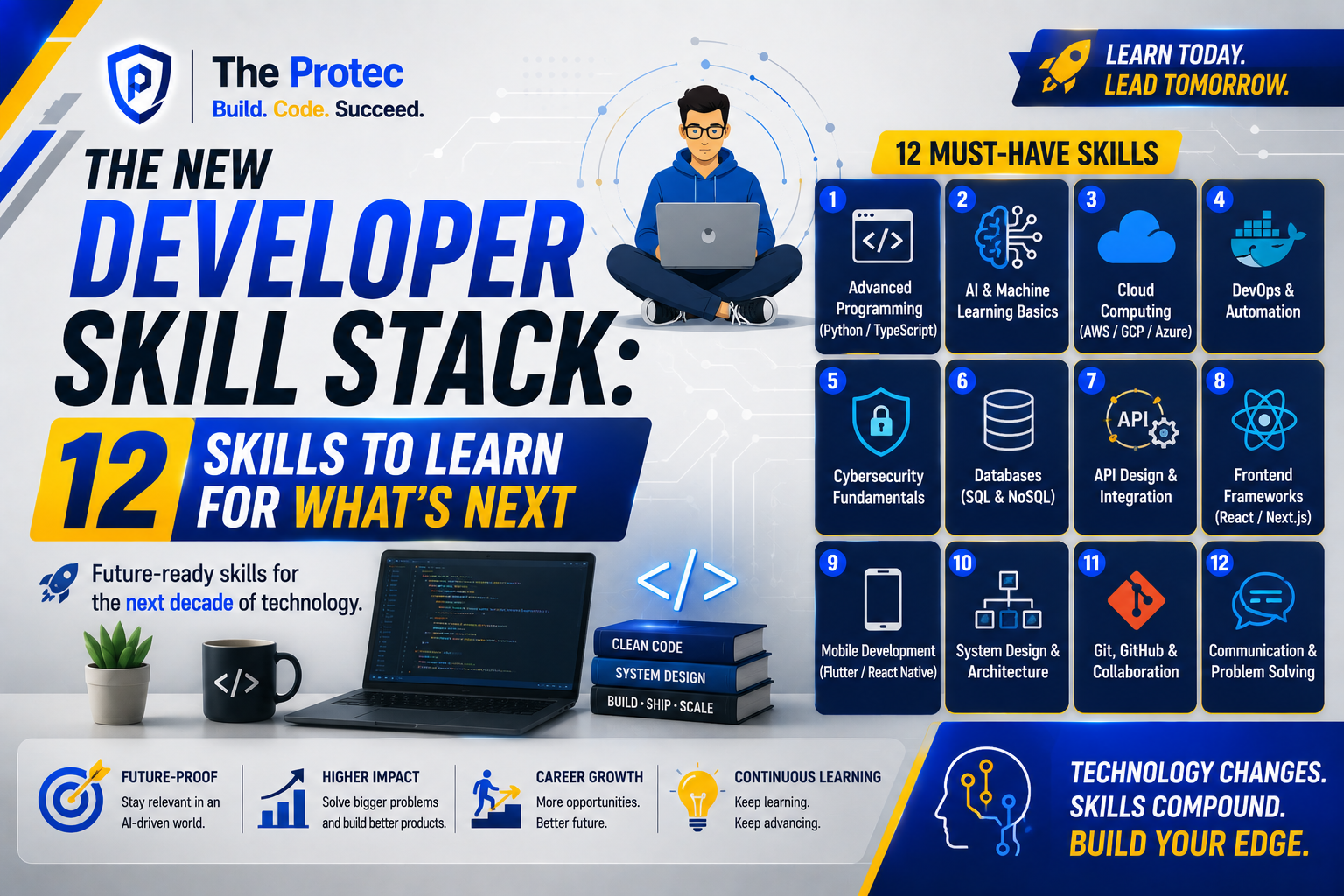
The Skills Human Developers Still Need
If AI coding agents are taking over more routine implementation tasks, what should developers focus on? The answer is not “learn to code less.” It is “learn to code with more context.”
System thinking
Understanding how data moves through an application, how services interact, and where failures can emerge is increasingly important. Agents can generate code, but system thinking determines whether the code belongs in the architecture at all.
Code review judgment
Reviewing AI-generated code requires a sharper eye. Developers need to assess correctness, security, performance, readability, and maintainability. This is not a passive skill. It is a core engineering discipline.
Testing strategy
As AI generates more code, testing becomes more important, not less. Developers need to know what to test, how to test edge cases, and where automated checks are insufficient. The stronger the agent, the more valuable the human who can design verification.
Communication and ownership
Teams still need people who can explain tradeoffs, own decisions, and collaborate across functions. Ownership becomes more visible in an AI-assisted workflow because the machine can create output, but only the human can take responsibility.
Prompting and task framing
One of the newest skills in the future of software development is the ability to frame a task well enough for an AI coding agent to be useful. Good prompts are not magic words. They are precise specifications with constraints, examples, and success criteria. Developers who can break down work clearly will get more from these tools.
How Teams Are Rebuilding the Junior Developer Role
The best engineering organizations are not eliminating junior roles. They are redesigning them. Instead of assigning only repetitive coding, they are pairing juniors with AI tools and expecting them to do more review-oriented, context-heavy work sooner.
That can include:
- Using agents to generate a starting point, then refining it
- Writing tests before asking an agent to implement a feature
- Reviewing AI output for edge cases and hidden assumptions
- Documenting failures and learning patterns from them
- Collaborating with senior engineers on architecture decisions
This approach changes onboarding too. Juniors who once learned by writing simple code from scratch may now learn by inspecting and correcting generated code. That can be a faster path to systems understanding, but only if the team invests in mentorship.
What This Means for the Future of Software Development
The future of software development is not a world where AI replaces developers wholesale. It is a world where the baseline output of programming gets cheaper, faster, and easier to produce, while human judgment becomes more central.
That shift has several consequences:
- Entry-level work becomes more about supervision and verification
- Senior engineers spend more time on architecture and risk management
- Teams need stronger testing and review practices
- Product velocity increases only when process keeps up with automation
- Developers who combine technical depth with clear communication become more valuable
In practice, AI coding agents are not removing the need for developers. They are changing what makes a developer effective. The programmers who thrive will be those who can work with AI while still understanding the underlying system well enough to challenge it.
Practical Advice for Junior Developers
If you are early in your career, the rise of AI coding agents can feel intimidating. But it also creates an opportunity to level up faster than previous generations.
- Use AI for drafts, not decisions
- Read the code you accept line by line
- Practice debugging without depending on generated fixes
- Learn testing deeply, not superficially
- Ask why a change matters, not just how to build it
- Study system design earlier than you think you need to
Junior developers who treat AI as a tutor, accelerator, and review partner will often grow faster than those who ignore it. The competitive edge is no longer just writing code. It is understanding code well enough to direct and verify it.
Practical Advice for Engineering Teams
For managers and senior engineers, the goal should be to increase leverage without sacrificing quality. That means designing workflows that make AI useful and safe.
- Require tests for agent-generated changes
- Keep humans responsible for final approval
- Set clear conventions for prompts and code review
- Track defect rates, not just output speed
- Use AI to reduce repetitive work, not reduce engineering standards
Teams that adopt AI coding agents without changing review and testing practices may ship faster in the short term and pay for it later. The best results come from treating agentic tools as part of an engineering system, not a shortcut around it.
Conclusion
The real story of AI coding agents vs developers is not replacement. It is role redesign. AI coding agents are taking over more of the routine, repetitive, and pattern-based work that junior developers once did manually. That changes hiring expectations, onboarding, and daily productivity. But it does not eliminate the need for human developers.
Junior engineers still matter because software is not just code generation. It is context, judgment, debugging, communication, and ownership. As AI coding agents become more capable, the developers who stand out will be those who can think clearly, verify carefully, and collaborate effectively.
The future of software development belongs to teams that combine machine speed with human understanding. That is the real shift, and it is already underway.
FAQ
Will AI coding agents replace junior developers?
Not entirely. They will reduce the amount of simple implementation work junior developers do, but humans are still needed for context, debugging, review, communication, and ownership.
Are AI coding agents better than junior developers at writing code?
For small, well-defined tasks, often yes. But writing code is only part of software engineering. Junior developers can ask clarifying questions, understand business context, and learn from feedback in ways agents cannot.
What skills should developers focus on as AI coding agents improve?
Developers should strengthen system thinking, code review, testing strategy, debugging, security awareness, and communication. Prompting and task framing are also becoming important.
How do AI coding agents affect code quality?
They can improve speed and consistency, but they can also introduce hidden bugs, weak architecture decisions, or incomplete edge-case handling. Human review remains essential for production quality.
What is the biggest change in the future of software development?
The biggest change is that coding is becoming more automated while judgment becomes more valuable. Developers are shifting from writing every line manually to guiding, reviewing, and validating AI-assisted work.