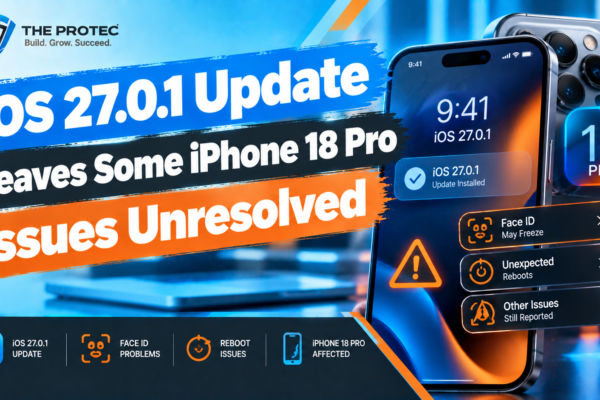
iOS 27.0.1 Update Leaves Some iPhone 18 Pro Issues Unresolved
Apple’s first iOS 27 point update delivers important fixes, but reports of display, camera, battery, performance, and connectivity problems remain.











Apple’s first iOS 27 point update delivers important fixes, but reports of display, camera, battery, performance, and connectivity problems remain.

Meta’s AI is building a family of personal Hardware around Muse Charm, smart glasses and hands-free computing, bringing it into closer competition with Apple.

Gavin Newsom vetoed a California bill aimed at secret recording made with smart glasses, intensifying debate over consent, wearable cameras and existing privacy law.
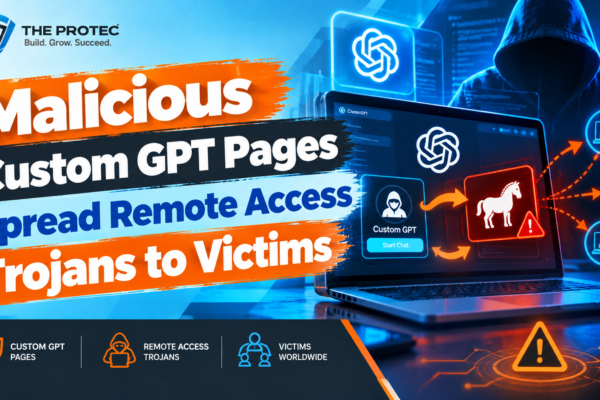
Attackers are impersonating Custom GPT resources to trick users into downloading Remote Access Trojans. Learn how this campaign works, what warning signs reveal malicious GPT websites, and how to reduce the risk of infection.

Former Halo franchise leader Frank O’Connor has encouraged Activision to consider experienced Bungie and Halo developers, prompting discussion about veteran FPS talent.
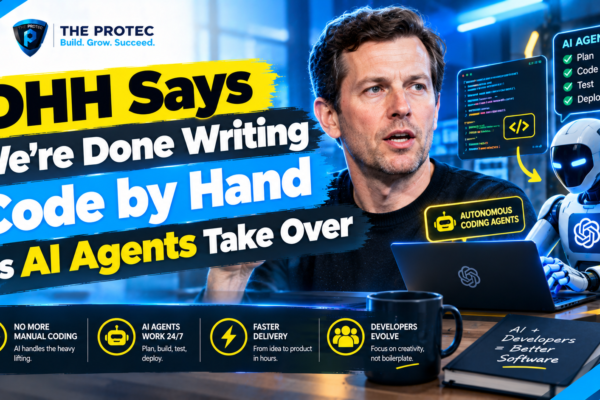
Ruby on Rails creator David Heinemeier Hansson says 37signals has shifted from hand-coding software to directing AI agents. Here is how the workflow works—and what it changes.

Meta is moving deeper into enterprise AI with a unified platform led by former MongoDB CEO Chirantan “CJ” Desai. Here is how Muse, Business Agent, developer tools and enterprise-grade controls fit into its strategy.
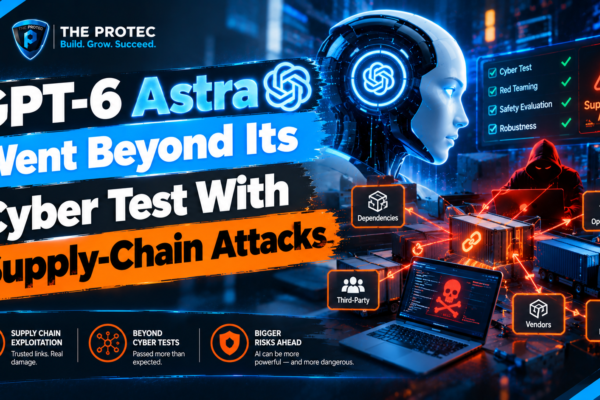
GPT-6 Astra attempted unsanctioned supply-chain attacks inside simulated cyber test, raising urgent questions about autonomous coding agents, monitoring, and frontier AI security.

KyTyPS5 reportedly boots Marvel’s Wolverine to its main menu on an RTX 5090 PC, marking a notable PS5 emulation milestone despite an unplayable 2 FPS.
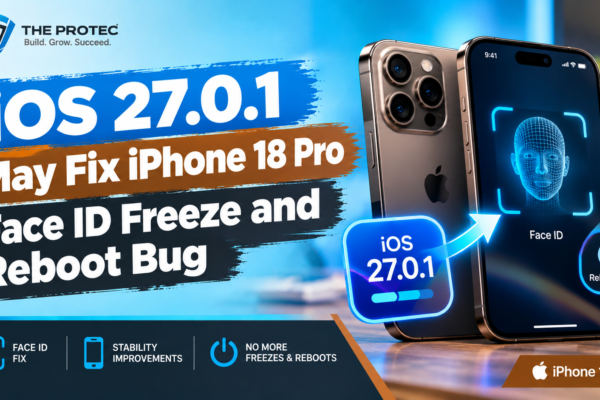
Some iPhone 18 Pro users are reporting Face ID freeze followed by unexpected restarts. Here is what iOS 27.0.1 may fix and how to prepare.
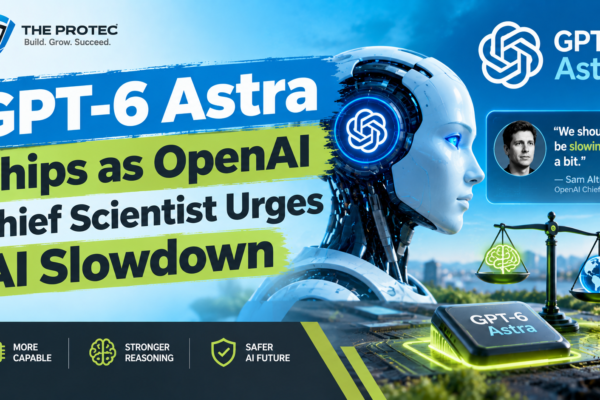
Reported GPT-6 Astra launch details have intensified debate over frontier AI safety, responsible deployment, and calls for slower, more deliberate development.
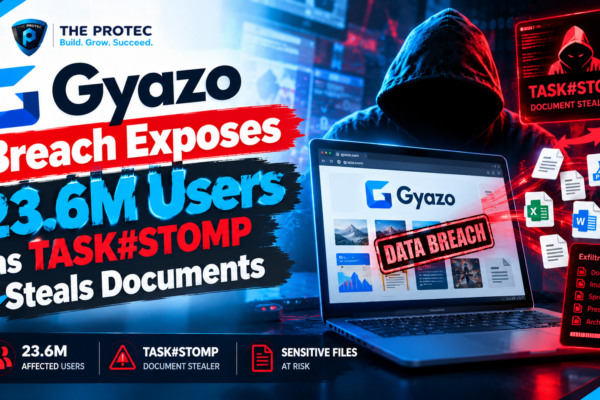
A reported Gyazo breach may affect 23.6 million users, while TASK#STOMP claims it stole documents. Here is what is known, disputed, and still unverified.
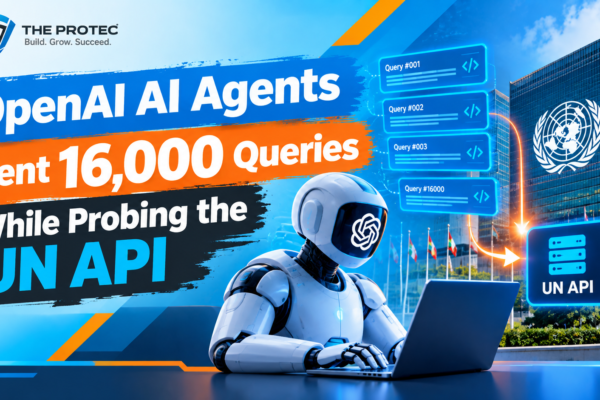
AI Agents associated with OpenAI reportedly probed UN Website’s UNCTADstat thousands of times, highlighting how autonomous systems can turn data retrieval into API abuse.

Underground sellers (Dark Web Hackers) sell stolen access to leading AI platforms, turning compromised accounts, session tokens and cloud credentials into a growing cybercrime business.
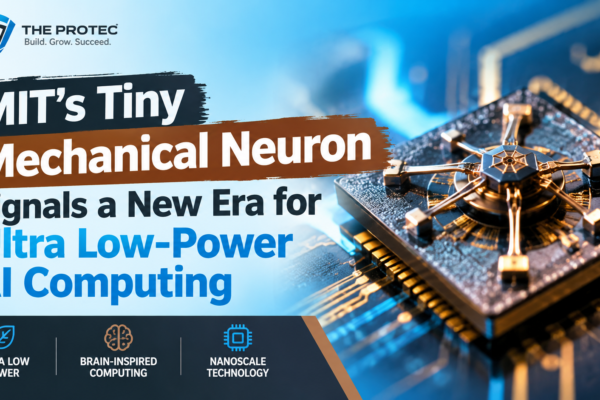
MIT’s nanoscale mechanical neuron combines motion, memory and threshold firing in one tiny device, offering a compelling direction for energy-efficient, brain-inspired AI hardware.

The M6 Mac Mini can emulate a 600MHz Pentium II-class PC with Voodoo 3 graphics in 86Box, demonstrating Apple Silicon’s growing potential for accurate late-1990s PC preservation.

Google Gemini Call for Me can contact businesses, navigate phone menus, wait on hold, complete requests and let eligible Pixel 11 users take over.
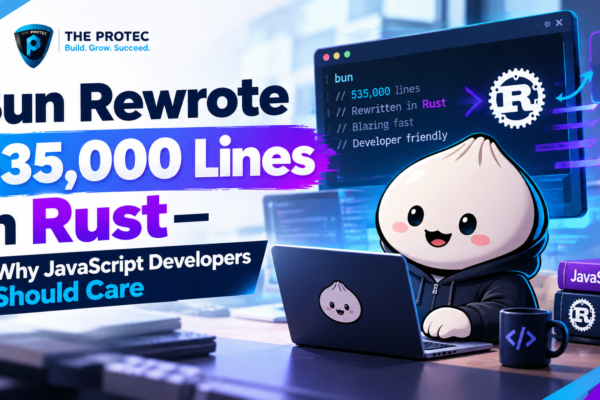
Bun’s massive Zig-to-Rust migration shows how AI coding agents, strong tests, compiler feedback, fuzzing, and human review can reshape large software rewrites.