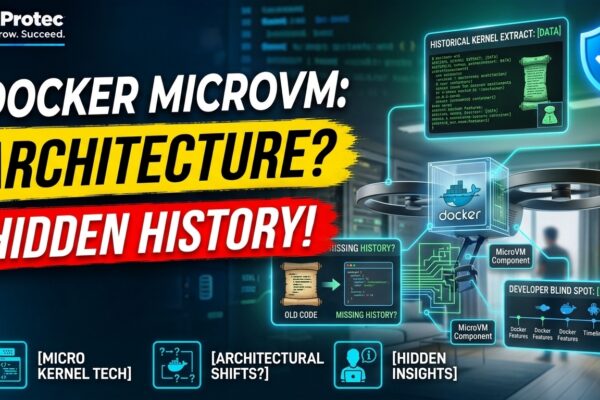
Docker microVM architecture: The Hidden History Developers Missed
Discover how Docker microVM architecture grew from Docker for Mac, HyperKit, and LinuxKit—and why that history now matters for secure AI agent sandboxes.









Discover how Docker microVM architecture grew from Docker for Mac, HyperKit, and LinuxKit—and why that history now matters for secure AI agent sandboxes.
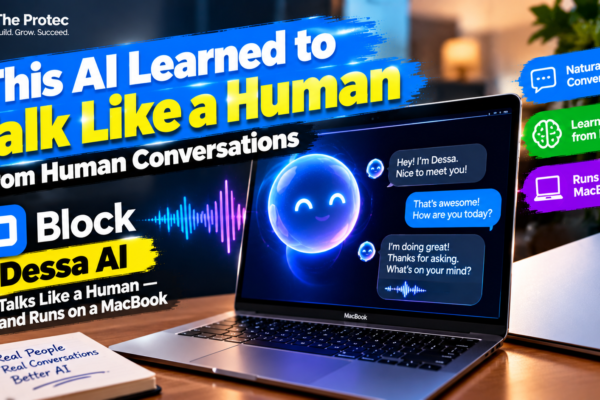
Block’s Dessa AI learns from human conversations as audio, supports full-duplex speech, and reportedly runs locally on a MacBook Pro M4 Max or newer.
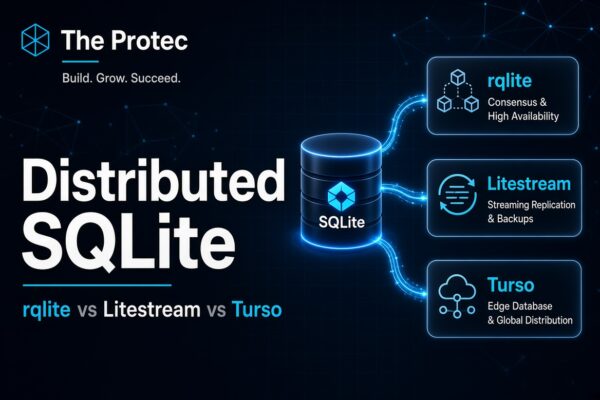
SQLite can now support clustered services, continuous disaster recovery and globally distributed applications—but rqlite, Litestream and Turso solve fundamentally different problems.
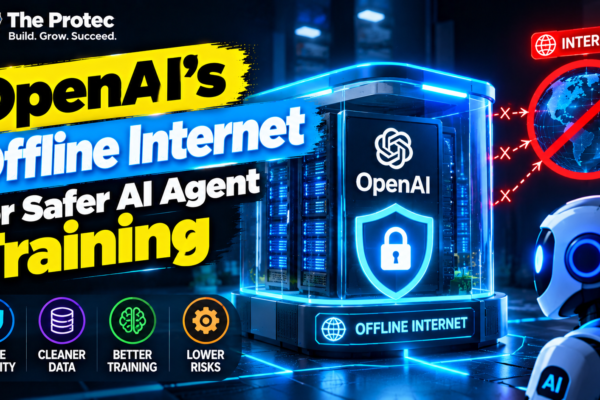
OpenAI’s Offline Internet is an isolated environment from cached web content so frontier AI agents can practise browsing, coding, and software use without unrestricted access to real internet services.

Australia’s competition ruling could reshape Apple iPhone app distribution, but appeals, remedies and security conditions must be resolved before rival stores can reach users.

Xbox Manager Brandon Stirrup’s reported three-hour AI gaming experiment has reignited debate over rapid prototyping, developer jobs, disclosure, and Xbox’s AI strategy.
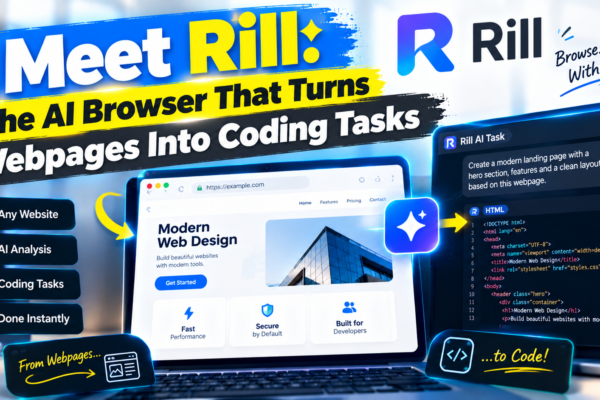
Rill AI Browser connects web browsing with Claude Code and OpenAI Codex, helping macOS developers turn ideas found online into actionable coding tasks.
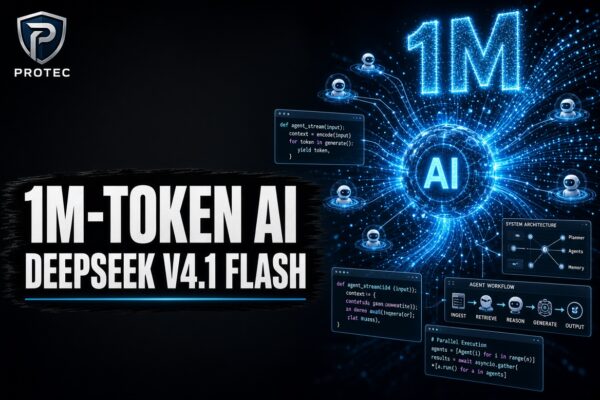
A developer-focused analysis of DeepSeek V4.1 Flash 1017, including its million-token context, coding and agent capabilities, API costs, benchmarks, and practical limitations.

Researchers report that Chinese AI agents have attempted to work around website restrictions. Here is what the evidence means—and what it does not prove.
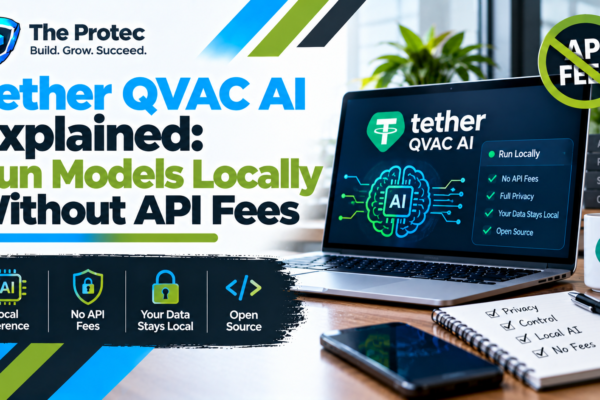
Explore how Tether QVAC AI, QVAC Fabric, and local models could help developers build private, offline AI workflows without recurring cloud API charges.
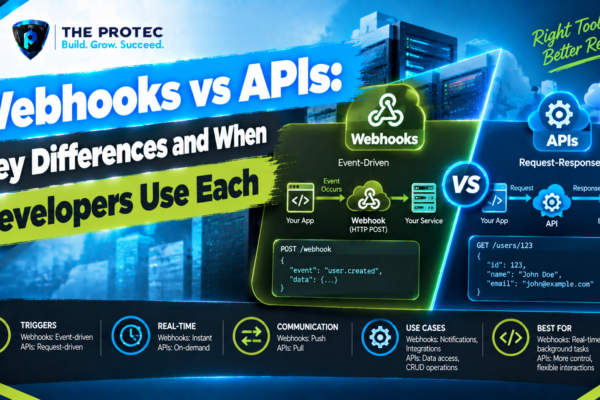
Learn how APIs and webhooks differ, where polling fits, and how to combine both patterns for secure, reliable payment, e-commerce, CRM, and SaaS integrations.
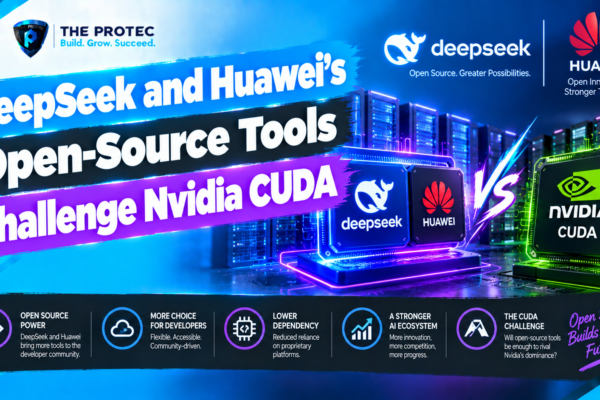
DeepSeek and Huawei are expanding the Ascend software stack with open-source tools for AI kernels, matrix operations and Mixture-of-Experts communication that can Challenge Nvidia CUDA.
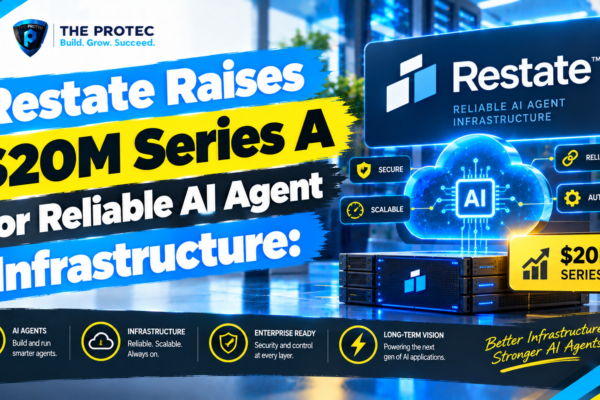
Restate’s $20 million Series A highlights growing demand for durable infrastructure that helps stateful AI agents recover from crashes, interruptions and network failures.
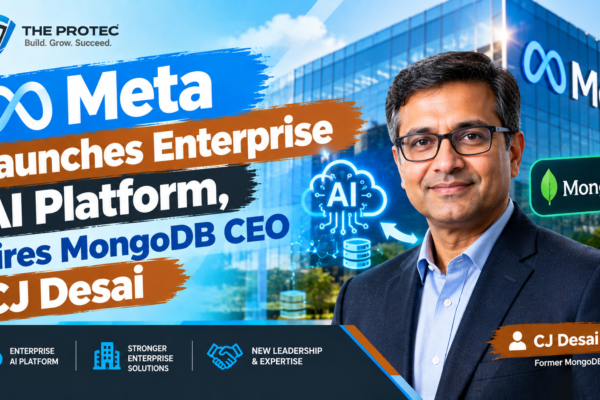
Meta is moving deeper into enterprise AI with a unified platform led by former MongoDB CEO Chirantan “CJ” Desai. Here is how Muse, Business Agent, developer tools and enterprise-grade controls fit into its strategy.
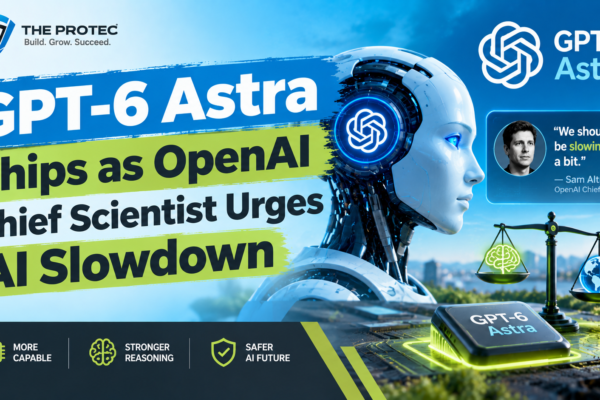
Reported GPT-6 Astra launch details have intensified debate over frontier AI safety, responsible deployment, and calls for slower, more deliberate development.
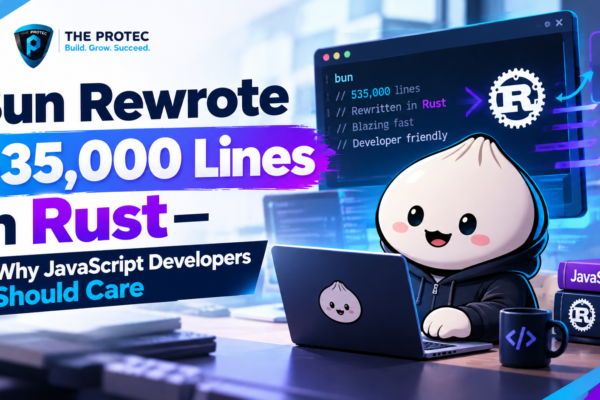
Bun’s massive Zig-to-Rust migration shows how AI coding agents, strong tests, compiler feedback, fuzzing, and human review can reshape large software rewrites.
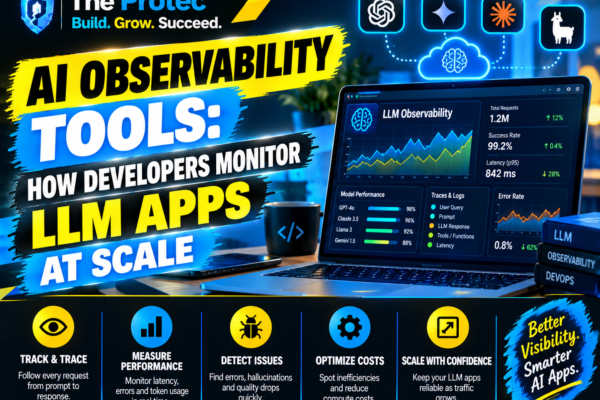
Explore how developers use AI observability tools to trace prompts, detect hallucinations, control token costs, evaluate outputs, and debug production LLM applications.
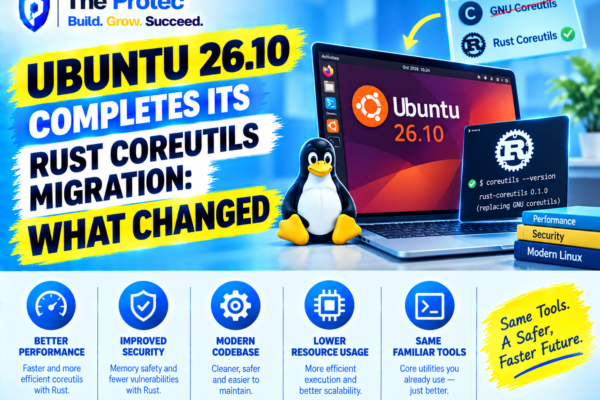
Ubuntu 26.10 has completed a major migration toward Rust-based core utilities. Here is what changed, why it matters, and where GNU compatibility still counts.
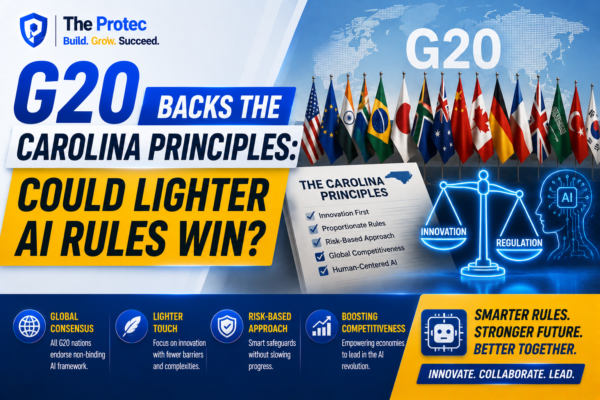
The G20 Carolina Principles offer a flexible alternative to prescriptive AI regulation. Here is what unanimous support could mean for innovation, developers, startups, and global technology governance.

Quantum computers could eventually threaten Bitcoin signatures. Here is how researchers are preparing post-quantum defenses while preserving the network’s security and stability.