







Virtual reality has no shortage of capable hardware, but the market remains divided. PICO competes with accessible standalone VR headsets, Apple Vision Pro sets the standard for premium spatial computing, and PC gamers still depend on a fragmented mix of headsets, stores, streaming tools, and operating systems. Steam Frame could give Valve an opportunity to connect those worlds.
The expected appeal of the Valve Steam Frame is not simply better resolution or faster silicon. Its real advantage could be a gaming-first design built around SteamOS, SteamVR, and the enormous Steam ecosystem. If Valve can offer convenient standalone operation alongside high-quality PC connectivity, Steam Frame VR may become the headset PC gamers have been waiting for.
That does not guarantee success. PICO already understands lightweight standalone hardware and competitive pricing, while Apple Vision Pro delivers sophisticated displays, tracking, interfaces, and spatial applications. To change the VR market, Valve must offer more than another headset: it must make VR gaming easier to buy, use, and develop for.
What Is Steam Frame?
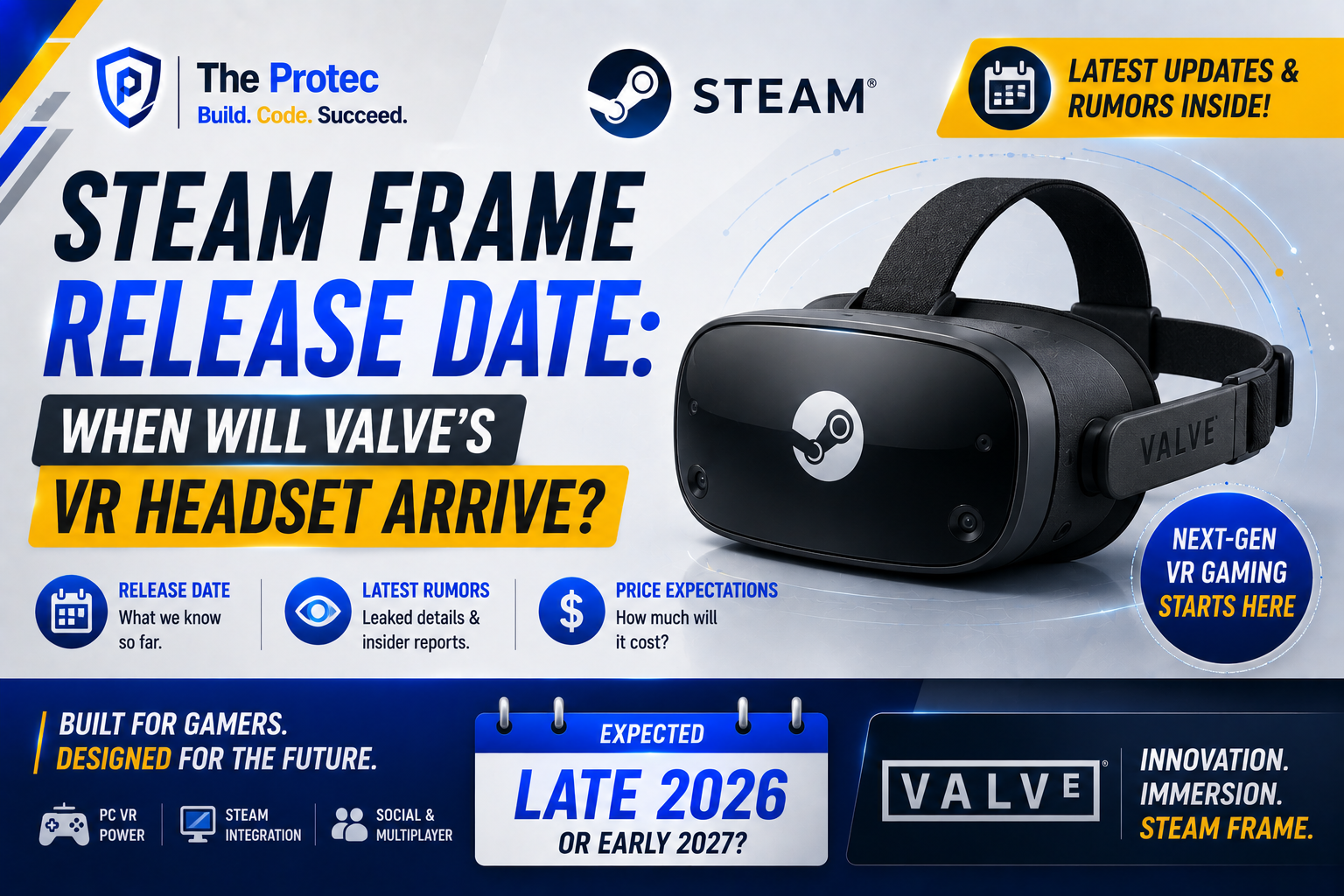
Steam Frame is the name associated with Valve’s next VR hardware initiative, commonly linked to the company’s long-running work on a standalone headset. As of September 2026, prospective buyers should distinguish Valve’s official announcements from reports surrounding development hardware. Details such as the final Steam Frame release date, regional availability, Steam Frame price, and complete Steam Frame specs should be verified through Valve before purchase.
The broader strategy is clearer than every individual specification. Valve has experience across the entire gaming stack: Steam, SteamVR, SteamOS, Linux compatibility technology, handheld hardware, input devices, and PC game distribution. Steam Frame could bring those components together in a standalone VR headset that remains closely connected to PC gaming.
Valve’s existing SteamVR ecosystem is particularly important. Rather than launching with an empty storefront, Valve can build around a mature library, established developer relationships, community features, cloud services, and the purchasing habits of millions of PC players.
Steam Frame vs PICO vs Apple Vision Pro at a Glance
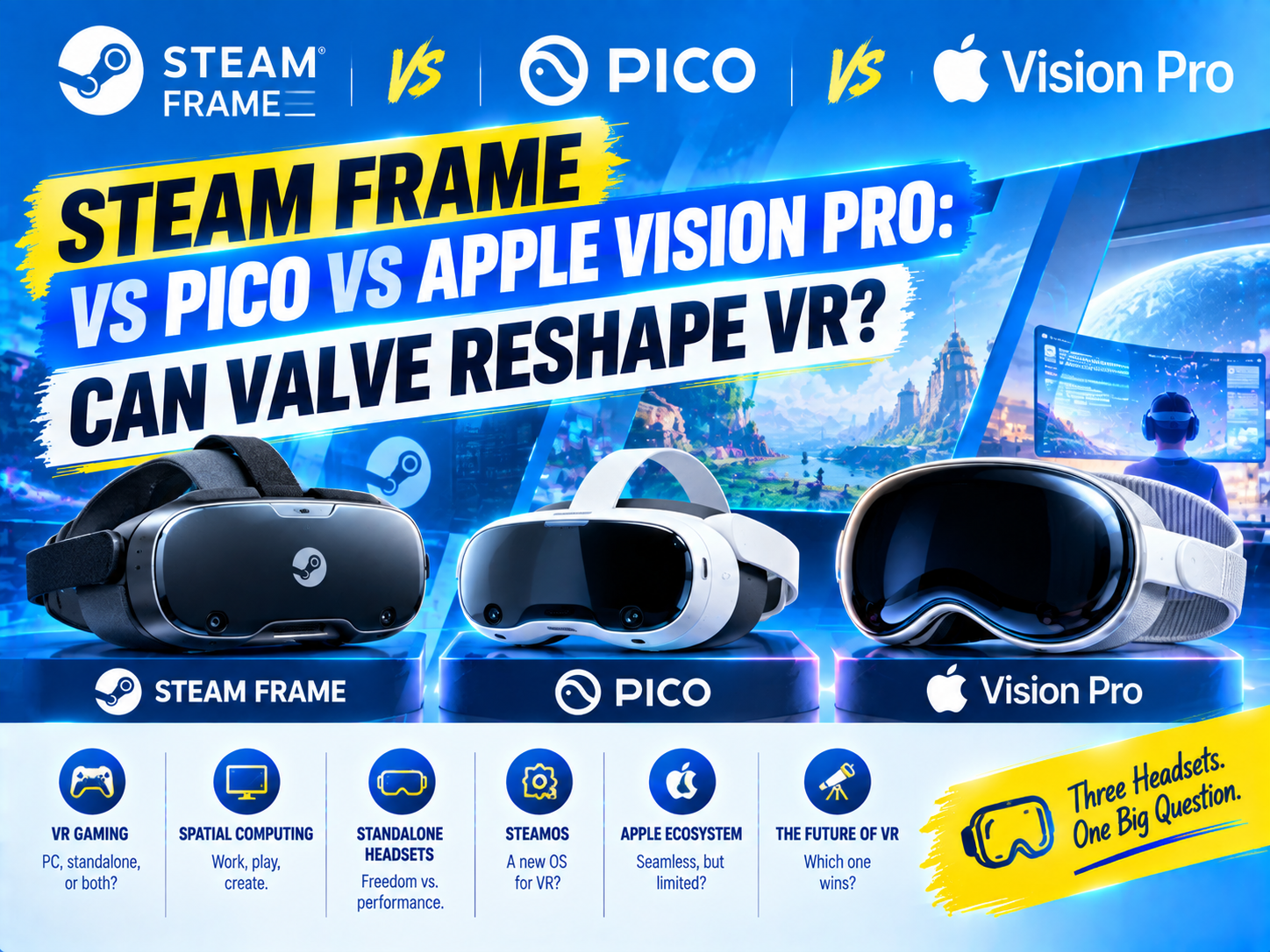
These three platforms approach immersive computing from different directions:
- Steam Frame: Expected to prioritize VR gaming, Steam integration, PC streaming, flexible input, and a SteamOS-based experience.
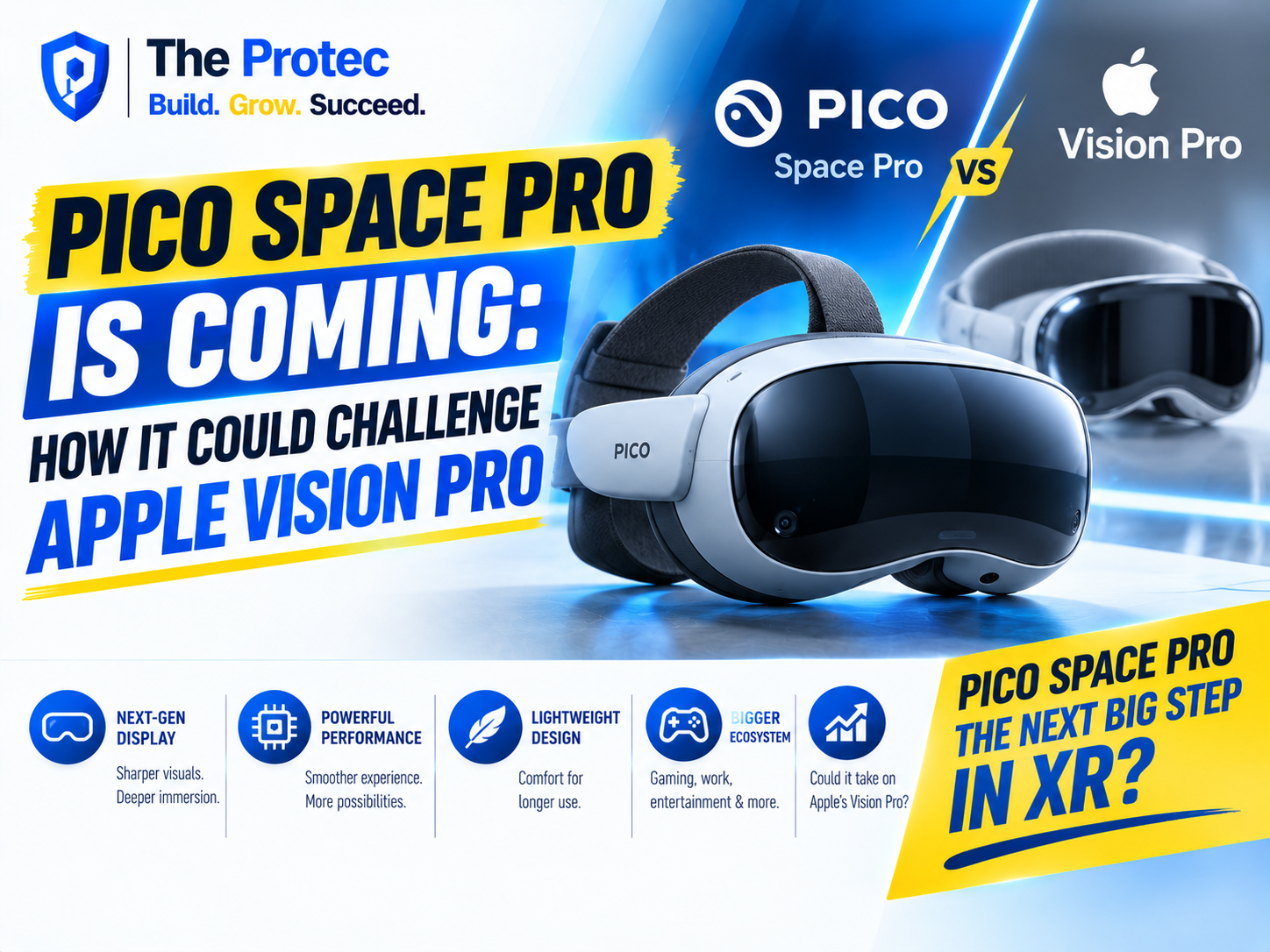
- PICO VR: Focuses on affordable, comfortable standalone VR with inside-out tracking, mobile-class XR processors, and optional PC connectivity.
- Apple Vision Pro: Prioritizes premium spatial computing, high-resolution displays, eye-and-hand input, productivity, media, and integration with Apple devices.
The comparison is therefore not only about which headset has the sharpest display. It is about purpose. PICO aims to make standalone VR practical, Apple wants digital content to occupy the user’s physical environment, and Valve has an opportunity to make immersive gaming feel like a natural extension of Steam.
Gaming Is Steam Frame’s Most Important Advantage
The strongest argument for Steam Frame is access to games. A PICO headset offers native standalone titles and can connect to a PC, but its store and audience are smaller than Steam’s. Apple Vision Pro gaming includes spatial experiences, Apple Arcade titles, compatible controller-based games, and traditional games displayed on virtual screens. It is not primarily designed as a room-scale PC VR system.
Valve can start with a different proposition: the headset is for games first. Steam users already own titles, maintain friends lists, collect achievements, use cloud saves, and participate in game communities. Reducing the friction between that account and a headset could make Steam Frame attractive before a buyer considers its raw hardware.
Compatibility remains the challenge. PC VR games were created for many combinations of headsets, controllers, graphics cards, and runtimes. Standalone hardware also cannot run every demanding Windows VR game locally. Valve will need a clear system for identifying native Steam Frame software, games that work through compatibility layers, and titles requiring streaming from a PC.
If that experience is reliable, Valve VR could offer something neither rival matches: a headset that works independently for suitable games but becomes a higher-performance system when connected wirelessly or by cable to a gaming PC.
Steam Frame Specs, Displays, and Performance
A final retail specification determines comfort and longevity, but the three platforms have different hardware priorities.
Steam Frame headset
The most credible direction for Steam Frame involves inside-out tracking, standalone processing, modern pancake-style optics, tracked controllers, and PC VR support. Eye tracking would improve interaction and enable dynamic foveated rendering, which concentrates graphics performance where the user is looking. However, buyers should be cautious about treating rumored processor, memory, resolution, or battery figures as final Steam Frame specs.
Valve does not necessarily need to beat every competitor in pixels. It needs low latency, stable tracking, comfortable weight distribution, readable displays, good controllers, and efficient wireless PC streaming. Those characteristics matter more during a two-hour gaming session than a headline resolution figure.
PICO headset hardware
Recent PICO headsets demonstrate the strengths of a mature standalone design: pancake lenses, balanced construction, color passthrough, inside-out tracking, and mobile XR chipsets. Higher-end models such as the PICO 4 Ultra also emphasize mixed reality and improved environmental sensing. PICO’s hardware is generally designed to provide strong value without requiring a gaming PC.
Apple Vision Pro hardware
Apple Vision Pro remains the premium display and sensor benchmark. Its micro-OLED display system, precise eye tracking, hand tracking, passthrough, spatial audio, and dedicated sensor-processing architecture create an unusually polished interface. The trade-offs include weight, battery arrangements, price, and the absence of conventional tracked VR controllers.
Apple’s approach is ideal for selecting windows with the eyes and hands. Fast, tactile VR gaming often benefits from physical buttons, thumbsticks, triggers, and haptics, giving Valve and PICO a practical advantage for action games.
Standalone VR Capabilities and PC Connectivity
PICO VR is the clearest conventional standalone proposition. Users can download supported apps directly to the headset, define a play area, and begin without a separate computer. PC streaming expands the library for users willing to manage a gaming computer and network conditions.
Apple Vision Pro is also self-contained, but “standalone” means something different within visionOS. It runs spatial applications, media, communication tools, and productivity software while integrating with Macs, iPhones, iCloud, and other Apple services. Its emphasis is general-purpose spatial computing rather than dedicated PC VR.
Steam Frame could sit between them. Local processing would make quick sessions and travel possible, while SteamOS and PC connectivity could preserve access to demanding games. The ideal experience would automatically choose between native execution, compatibility technology, and PC streaming without forcing the player to understand each technical layer.
This hybrid model could become Valve’s biggest contribution to the future of VR. Standalone convenience would no longer require abandoning the performance and library of a PC.
SteamOS, Software, and Ecosystem Strengths
Hardware can be copied; ecosystems are harder to reproduce. SteamOS gives Valve control over updates, power management, input, storefront integration, and the overall interface. Lessons from Valve’s handheld strategy could help the company present compatibility information clearly and improve software after launch.
A headset-specific version of SteamOS would still face major technical obstacles. Traditional PC games are designed for x86 processors and flat displays, while mobile standalone headsets commonly use ARM-based chips. VR also requires consistently high frame rates because latency or stuttering can cause discomfort. Compatibility must therefore be judged by experience, not by whether an application merely launches.
PICO’s ecosystem is simpler but smaller. Its native store offers optimized software with predictable performance, and enterprise products broaden its reach. The limitation is that developers may prioritize platforms with larger audiences.
Apple’s advantage is the wider developer network surrounding visionOS, iOS, iPadOS, and macOS. The Apple Vision Pro platform also benefits from familiar productivity software and tightly integrated services. Apple can define spatial computing beyond entertainment, whereas Valve’s credibility is concentrated in games.
Steam Frame Price Could Decide the Contest
The Steam Frame price may matter more than any single hardware feature. Apple Vision Pro occupies a premium category and is difficult to justify as a dedicated gaming purchase. PICO competes more directly on value, particularly for buyers who want room-scale VR without purchasing a powerful PC.
Valve does not have to undercut every PICO headset, but it must make the complete package feel affordable. That includes controllers, storage, required accessories, prescription lens options, and any wireless hardware needed for optimal PC streaming. A low advertised price loses its appeal if essential components cost extra.
Valve may also treat hardware as an entry point to Steam purchases, allowing more aggressive pricing than a company relying mainly on headset margins. Even so, excellent value will not compensate for limited battery life, inconsistent software compatibility, or an uncomfortable design.
Can Valve Change the VR Market?
Valve can reshape the VR market if Steam Frame solves three persistent problems: limited content confidence, complicated PC setup, and the divide between standalone and high-end VR. Steam already helps with the first problem because many potential customers know the store and may own compatible games. SteamOS could address the second by replacing desktop configuration with a console-like interface. Hybrid local and PC operation could reduce the third.
A successful launch would pressure PICO and other standalone manufacturers to improve PC integration, controller support, and access to broader game libraries. It could also encourage developers to create scalable titles that run locally on headset hardware while offering richer graphics on PCs.
Apple is less likely to respond by turning Vision Pro into a conventional gaming headset. Instead, Valve could help establish a clearer separation between premium spatial computing and gaming-focused immersive hardware. Apple would remain the benchmark for interface refinement, displays, and mixed-reality productivity, while Steam Frame could become the reference platform for enthusiast VR gaming.
The risk is familiar: strong technology does not automatically create a mass market. Valve needs dependable manufacturing, international distribution, developer support, frequent software updates, and a compelling launch library. VR customers have seen promising hardware lose momentum when companies failed to maintain their platforms.
Which Headset Is Best for Which User?
- Choose Steam Frame if Steam integration, PC VR, physical controllers, and gaming flexibility are the priorities—provided final pricing and compatibility meet expectations.
- Choose a PICO headset if affordable standalone VR, comfort, and straightforward access to native apps matter most.
- Choose Apple Vision Pro if display quality, media, productivity, hand-and-eye interaction, and the Apple ecosystem matter more than conventional VR gaming.
Steam Frame does not need to defeat both competitors at everything. It needs to deliver the most coherent experience for people who already consider gaming their main reason to enter VR.
Frequently Asked Questions
What is the Steam Frame release date?
Release timing and availability should be confirmed through Valve’s official channels, as development reports and regional plans may not reflect the final retail schedule. Buyers should also wait for a complete compatibility list and launch software lineup.
Will Steam Frame run all SteamVR games without a PC?
Probably not. Demanding PC VR titles may require a gaming PC and wired or wireless streaming. Standalone play will depend on native releases, hardware performance, operating-system support, and Valve’s compatibility technology.
Is Steam Frame better than a PICO headset?
Steam Frame could be better for committed PC and Steam gamers, while PICO may remain more appealing for value-focused standalone use. Final hardware, price, comfort, and regional content availability will determine the better purchase.
How does Steam Frame vs Apple Vision Pro differ?
Steam Frame is expected to emphasize VR gaming, physical controls, SteamOS, and PC connectivity. Apple Vision Pro focuses on premium spatial computing, high-end visual presentation, media, productivity, and eye-and-hand interaction.
Could Steam Frame make VR gaming mainstream?
It could expand the audience by combining standalone convenience with Steam’s library and community. Mainstream success will still depend on price, comfort, battery life, simple setup, compelling games, and long-term support.